What Happened
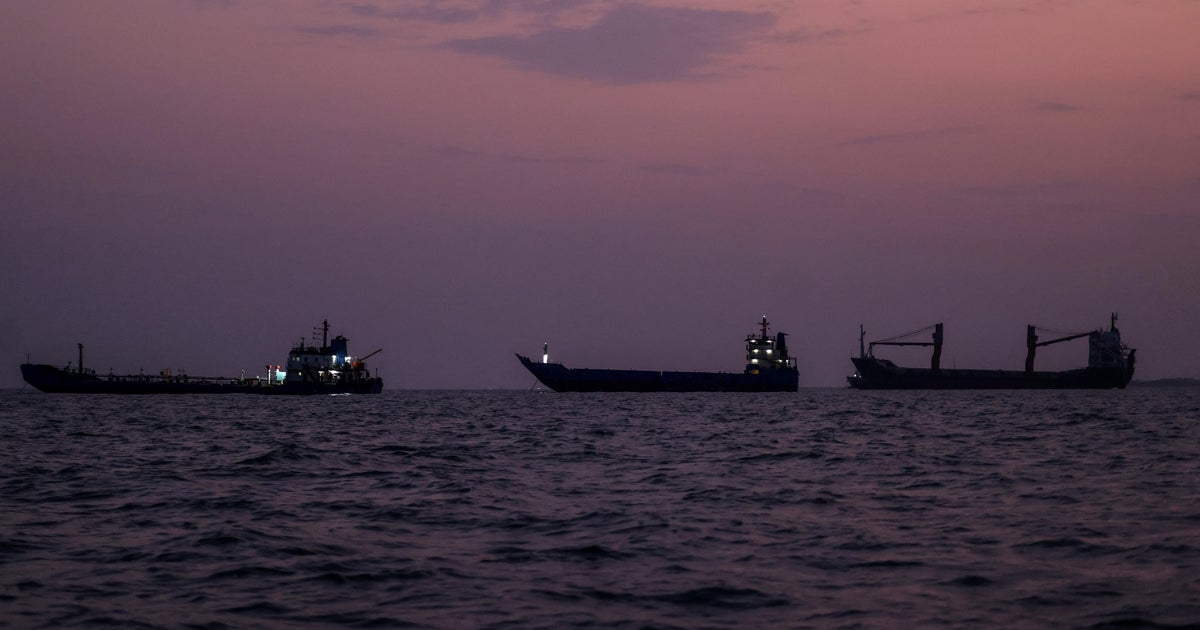
Middle East tensions have reached a critical boiling point, directly choking vital global supply chains. Commercial shipping traffic through the strategic Strait of Hormuz has plummeted to its lowest level since May. Analytics firm Kpler reported an average of just 10 ships per day transiting the waterway over the weekend, a staggering drop from pre-war levels of roughly 130 daily vessels.
The severe bottleneck follows a sharp military escalation. The U.S. Central Command announced it permanently disabled three Iranian oil tankers in response to previous attacks on American warships. In retaliation, Tehran threatened swifter, more forceful responses and warned South Korea against deploying naval assets to support U.S. operations in the region. Meanwhile, local reports confirm ongoing airstrikes in southern Lebanon and mounting civilian casualties, drawing sharp rebukes from Lebanese leadership.
Why It Matters
The fallout from the escalating conflict is hitting consumers and global markets hard. Brent crude oil climbed to $96.95 per barrel, while the average U.S. gas price hit $4.14 a gallon—far outpacing previous historical records.
Beyond economics, the crisis is fundamentally altering regional geopolitics. Qatar’s foreign ministry publicly stated that Persian Gulf nations can no longer rely solely on security partnerships with the United States, emphasizing a pressing need for self-reliance. At the same time, the United Arab Emirates stressed the urgent need to rebuild functional state-to-state engagement with Iran, even as trust remains shattered.
Important Context
The diplomatic and nuclear landscapes remain deeply fractured. International Atomic Energy Agency (IAEA) Director-General Rafael Grossi warned that dialogue with Iran has stalled, with Tehran refusing cooperation until broader political agreements are reached.
Simultaneously, Iran and Oman are nearing a final stage for a temporary safe shipping route through the Strait of Hormuz to be registered with the International Maritime Organization. However, plans to potentially charge commercial transit fees face strong resistance from Western governments.
What's Next
With Iran signaling plans to establish a contested maritime "exclusion zone" near the Strait of Hormuz, international carriers face mounting risks. As energy costs climb and regional powers reassess foreign security guarantees, diplomatic channels will remain under immense pressure to prevent further escalation in the weeks ahead.