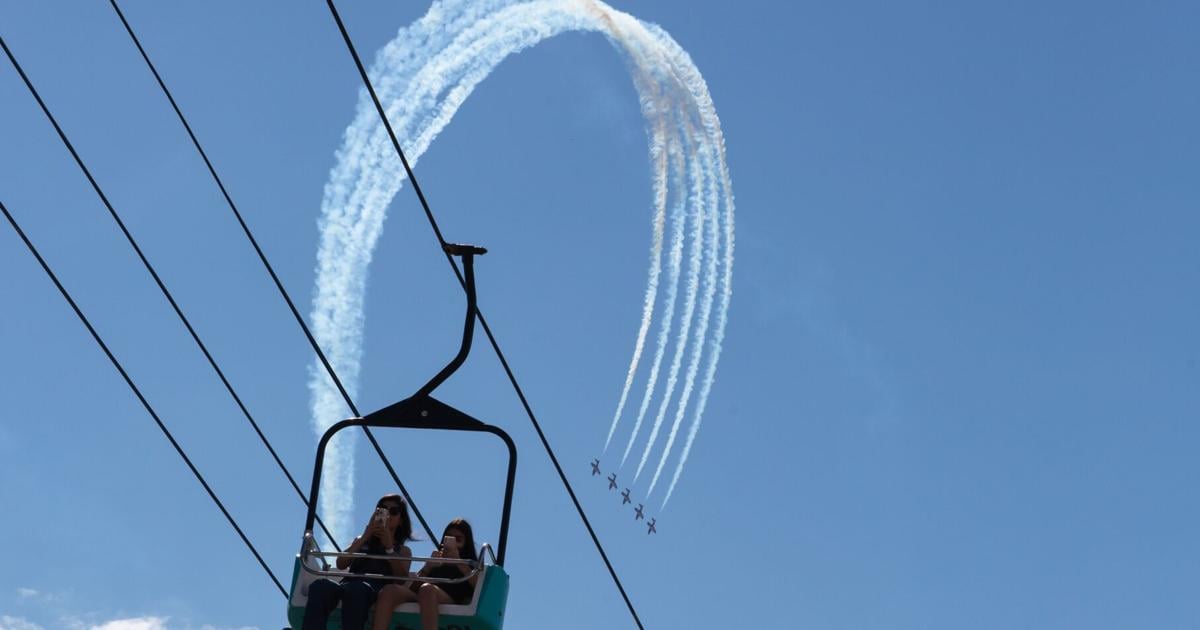
What Happened over Lake Ontario
For thousands of spectators gathered along Lake Ontario and the Canadian National Exhibition (CNE), the roar of the Canadian Snowbirds over the Labour Day weekend carried a heavy dose of nostalgia. The iconic 431 Air Demonstration Squadron executed their signature precision maneuvers during what marks their final scheduled appearance in Toronto with their current aircraft.
The team's aging fleet of CT-114 Tutor jets—which were originally built in the 1960s—is officially being retired following this season. After a final fall performance schedule culminating at the Grey Cup in Calgary on November 15, the aerial demonstration team will be temporarily grounded until a newer, modernized fleet can be selected and introduced in the 2030s.
Context and Background on the CT-114 Tutor
The Canadair CT-114 Tutor has served as the backbone of Canadian military pilot training and aerial demonstration for over half a century. While celebrated for its exceptional stability and responsiveness at lower speeds—which allowed the Snowbirds to fly remarkably tight, crowd-pleasing formations—the airframe has faced mounting maintenance challenges and obsolescence issues.
Defense officials and aviation safety experts have increasingly emphasized the growing difficulty of sourcing replacement parts for the Cold War-era jets. The decision to retire the fleet is rooted in a necessary prioritization of long-term pilot safety, airframe structural integrity, and the transition toward modern digital avionics required in contemporary military aviation.
Why It Matters: Stakeholder and Economic Impact
Since officially forming as a permanent demonstration team in 1971, the Snowbirds have performed more than 2,700 times across North America, cementing themselves alongside teams like the U.S. Navy Blue Angels and the U.S. Air Force Thunderbirds as a cultural institution.
The impending multi-year hiatus carries notable ripple effects for tourism and event organizers. Canadian International Air Show executive director Lori Duthie noted that organizers are already looking ahead to secure international acts to fill the massive programming gap left by the squadron's absence. Meanwhile, fans lined up at Marilyn Bell Park merchandise booths to buy commemorative memorabilia, bidding farewell to the distinctive white-and-red jets, while former team members and notable figures like Toronto Argonauts legend Michael "Pinball" Clemons turned out to celebrate the legacy of the pilots.
Future Outlook: The Road to the 2030s
The grounding of the Tutor jets closes a historic chapter for Canadian aerospace and military heritage. While the skies over major national events will sound noticeably different in the coming years, defense procurement channels are evaluating future platform replacements. Aviation enthusiasts and military supporters can take comfort in knowing the Snowbirds plan to return to active display circuits once the transition to a modernized fleet is fully complete in the next decade.