What Happened
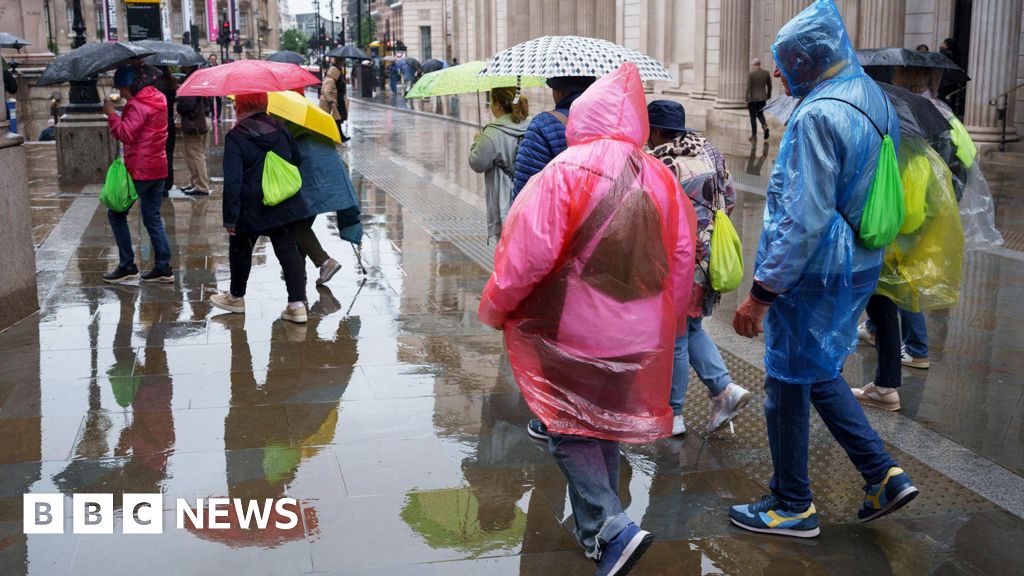
The UK’s prolonged dry spell has come to an abrupt and dramatic end. The Met Office has issued yellow thunderstorm warnings across northern England, Northern Ireland, and eastern Scotland, bringing the threat of flash flooding and travel disruption.
The sudden shift follows nearly two months of exceptionally dry weather. Parts of Surrey officially broke a 62-day dry streak after recording rainfall on Wednesday morning. However, the rapid transition from blistering heat to torrential downpours has created new hazards for millions of residents.
Why It Matters
While the rain offers a welcome change after a summer marked by five heatwaves and record-breaking dryness—including July 2026 being the driest July on record for England and Wales—it brings immediate environmental risks.
Because the ground has been baked hard and parched for weeks, it acts almost like concrete. Water cannot easily sink into the soil, drastically increasing surface run-off. The Met Office warns that homes and businesses face potential flooding, transport delays, and power cuts. Up to 50mm of rain could fall within a few hours in some northern areas.
Despite the wet conditions, water companies confirm that hosepipe bans affecting over 20 million people will remain in place. The Environment Agency stresses that "sustained and significant rainfall" over a much longer period is required to reverse the severe water scarcity.
What's Next
High pressure is officially giving way to low pressure, meaning cooler temperatures and more widespread rain are on the horizon for the rest of the week. Daytime values will drop back to or below seasonal averages, with noticeably chillier nights ahead.
On Thursday, the threat of slow-moving, thundery downpours will shift southward, impacting parts of the Midlands, Lincolnshire, East Anglia, and potentially south-east England. Meteorologists warn that further weather warnings could follow as the unsettled weather pattern lingers through Friday.


