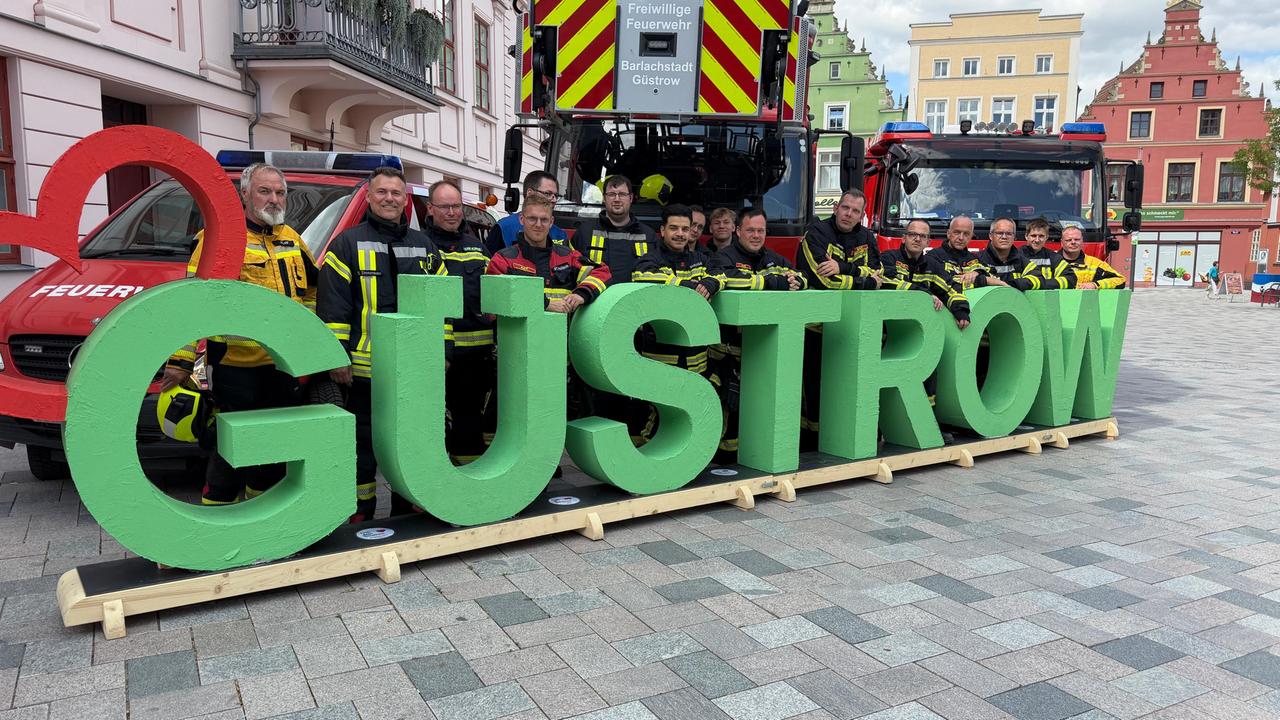
Seven giant green letters and a bright red heart. It might sound like a simple pop-art installation, but the newly unveiled "Fotopoint" in front of the historic town hall in Güstrow, Germany, is actually a calculated play for digital dominance.
As cities worldwide grapple with how to capture the attention of modern travelers, this charming municipality in Mecklenburg-Vorpommern is turning to the ultimate currency of the 21st century: shareability.
Here is why a simple photo-op setup is a major deal for the local economy—and how small towns are rewriting the rules of tourism marketing.
The Anatomy of an "Instagrammable" Town
Located in the Rostock district, Güstrow (famously known as the Barlachstadt) has recently undergone a major face-lift, specifically targeting its central marketplace. But a beautifully paved square is no longer enough to draw crowds. Enter the "Fotopoint."
"It’s wonderful to see how intensively it is already being used," says Arne Simon from Güstrow’s city marketing department.
The strategy is simple but highly effective:
- The Bait: A vibrant, eye-catching physical installation.
- The Call to Action: The city has explicitly launched a social media campaign urging locals and tourists to tag Güstrow whenever they post their snaps.
- The Reward: Free, organic advertising generated entirely by users (User-Generated Content, or UGC).
Even local emergency services have jumped on the trend, with firefighters posing for group selfies in front of the new landmark after completing their duties.
[Tourist Snaps Photo] ➔ [Uploads to Instagram/TikTok] ➔ [Tags @Güstrow] ➔ [Free Global Advertising]
By the Numbers: Why Güstrow Needs the Buzz
While Güstrow boasts an official "recognized tourist resort" status, its current tourism metrics show plenty of room for digital growth.
- 120,000: The approximate number of annual overnight stays.
- 60,000: Registered visitors per year (excluding smaller, private accommodations).
- 2.1 Days: The average length of stay for a tourist.
- 210,000: Annual visitors to the region’s biggest attraction, the Wildpark-MV.
The problem? While the nearby wildlife park draws massive crowds, the historic city center doesn't always reap the benefits. By planting a highly visible, portable selfie spot in the heart of the marketplace, the city is trying to bridge that gap—physically pulling visitors from the outskirts into local shops, cafes, and hotels.
The Smart Business Behind the Sign
What makes this project particularly impressive is its grassroots funding. In an era where municipal budgets are stretched thin, Güstrow didn't spend a fortune on this marketing stunt.
Instead, two local businesses stepped up to sponsor the project on their own initiative—one providing the raw materials, and the other fabricating the design. The city’s municipal shipyard then built the heavy-duty wooden base.
Because the sign is built on a portable platform, the city has the flexibility to move it to different hotspots, though they plan to keep it anchored in the marketplace for the foreseeable summer season.
Why This Matters: The Rise of Destination Micro-Marketing
For decades, tourism marketing was the domain of glossy brochures and expensive travel agency partnerships. Today, a single viral TikTok or a highly-aesthetic Instagram story can do more for a town's economy than a million-euro ad campaign.
Güstrow's new initiative is a textbook example of destination micro-marketing. By lowering the barrier to entry—and making the town square inherently "postable"—Güstrow is converting every single visitor with a smartphone into an active brand ambassador.
For small towns looking to increase their 2.1-day average stay times, the message is clear: If you build it, they will snap. And if they snap, they will spend.