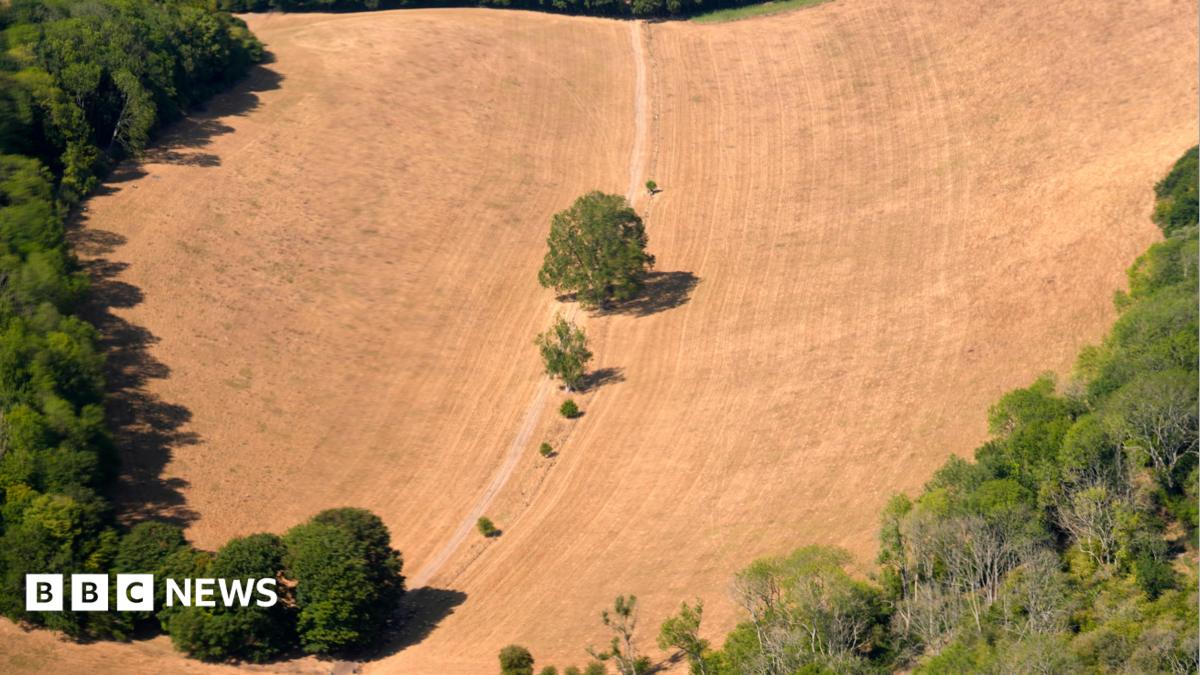
The United Kingdom has officially recorded its hottest day of the year and the fifth-hottest day in its entire recorded history. As a relentless heatwave gripped the nation, the Met Office confirmed that temperatures peaked at a blistering 38.1C on Thursday, turning landscapes parched and putting emergency services on high alert.
A Summer of Unprecedented Extremes
Kew Gardens in west London played host to England's top temperature, provisionally shattering previous regional highs. This latest surge marks the UK's fifth heatwave of the season, placing this summer firmly on course to be the hottest since reliable records began.
The relentless nature of the heat has made 2026 the first calendar year on record to experience three separate days where temperatures breached the grueling 37C threshold. With amber heat health alerts blanketing England, millions are feeling the squeeze—from hospitality workers melting in stifling kitchens to millions facing strict water restrictions.
Cascading Crises: Drought, Wildfires, and NHS Strain
The extreme weather isn't just about uncomfortable temperatures; it's triggering a cascade of nationwide emergencies:
- Drought & Water Shortages: Nearly three-quarters of England—affecting roughly 45 million people—are now living under official drought conditions. Over 27 million face mandatory hosepipe bans, while thousands in east London and Essex continue to grapple with outages following major pipe bursts.
- Devastating Wildfires: The National Fire Chiefs Council reported over 1,000 wildfires across England and Wales this year alone. A massive blaze in the New Forest consumed an area equivalent to 230 football pitches, while major incidents were declared in the West Midlands and Worcestershire after grass fires damaged homes and injured residents.
- Healthcare Overload: A&E departments recorded their busiest period in history during July. Preliminary figures indicate over 2,800 heat-related deaths occurred in May and June alone—nearly doubling the figures from the previous year. Health officials are now urging long-term strategic planning to handle recurring summer pressures akin to winter surges.
Looking Ahead
While the peak of this specific heatwave is beginning to subside with cooler, thirty-degree fronts moving in from the Midlands and southern England, the underlying reality remains stark. Climate scientists emphasize that the frequency of these extreme events—coupled with mounting infrastructure pressures—points to a permanently changing landscape for the UK.


