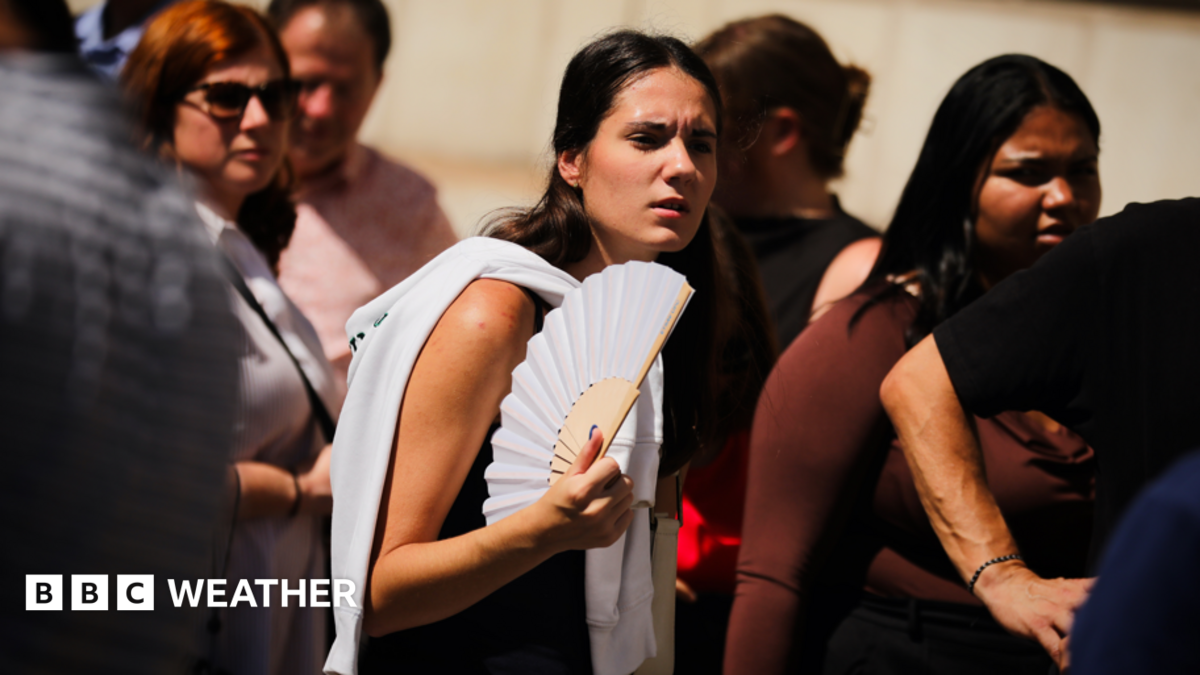
The UK has officially logged its hottest day of the year so far, with temperatures skyrocketing to a provisional 38.1C (100F) at Kew Gardens.
As the peak of the country's fifth heatwave takes hold, meteorologists report that persistent high temperatures and mounting climate anomalies are rewriting the nation's weather history books.
What Happened
Thursday's surge marks only the second time this year that parts of the UK have crossed the 38C threshold, following an identical reading in Lingwood, Norfolk, back in June.
Amber weather warnings for extreme heat remain in active force across large swaths of England—including London, the South East, the Midlands, and parts of the North West and Yorkshire.
Simultaneously, amber heat-health alerts from the UK Health Security Agency warn of significant strains on health and social care services, pointing to heightened vulnerability for individuals aged 65 and over or those with preexisting health conditions.
Why It Matters
The numbers behind this summer's climate pattern highlight an unprecedented shift. Thursday marks the 38th day this year that temperatures somewhere in the UK have climbed above 30C, comfortably beating the previous record of 34 days.
Furthermore, this week's data sets a new record for the number of days in a single calendar year where temperatures have hit or exceeded 37C. Out of just nine such recorded instances in history, three have occurred in 2026 alone.
Adding to the strain is the arrival of "tropical nights," where temperatures refuse to drop below 20C amid spreading humidity, giving bodies zero respite from the daytime baking.
What's Next
Relief is finally on the horizon as temperatures are projected to dip over the weekend, returning closer to seasonal averages for mid-August.
However, the Met Office notes that as long as overall August temperatures remain average or above, Summer 2026 is still firmly on track to replace 2025 as the warmest summer on record. Meanwhile, localized thunderstorm warnings and flash flood risks are expected to follow the breaking heatwave.


