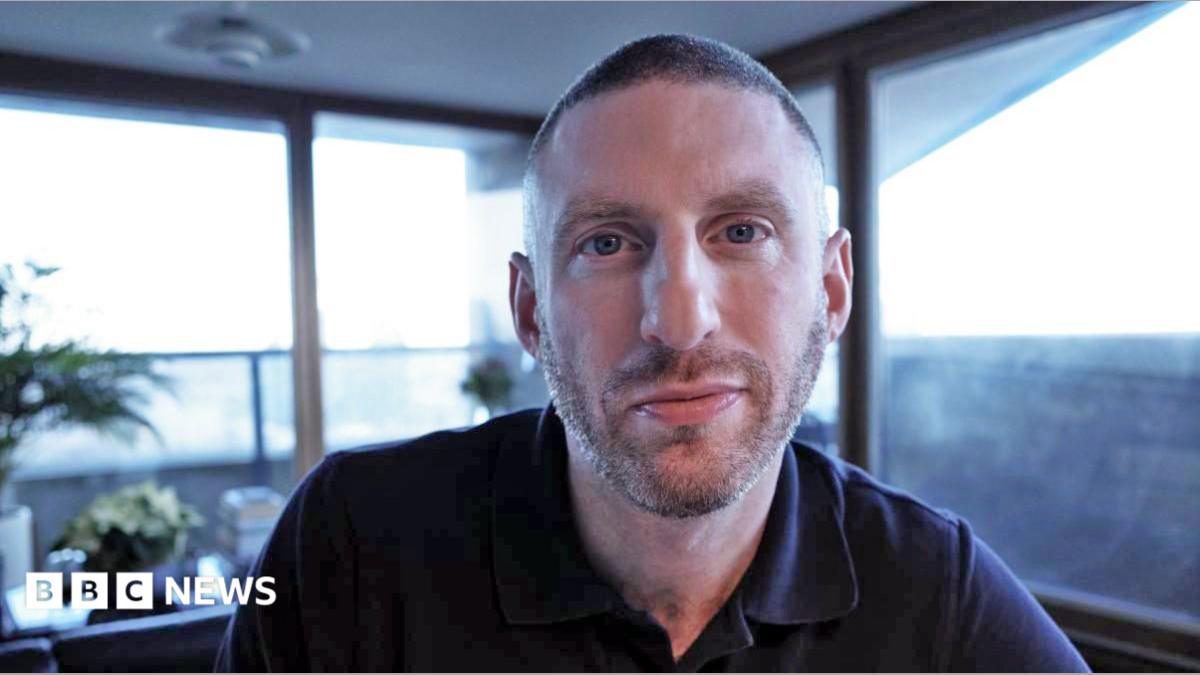
A controversial new Channel 4 documentary examining attention deficit hyperactivity disorder has triggered an immediate backlash, drawing formal complaints to media regulator Ofcom and sharp criticism from leading medical professionals.
What Happened
Broadcast on Tuesday, The Great ADHD Myth? was presented by NHS psychiatrist Dr Max Pemberton. Throughout the programme, Dr Pemberton suggested that the condition is "a social construct, not a disorder of the brain."
The documentary featured sceptics of traditional ADHD treatments and followed a 10-year-old boy who temporarily stopped taking his medication to observe behavioral changes. While the programme ended with the boy remaining off medication, a concluding caption revealed that he resumed his prescription two months later, noting that his school performance subsequently improved.
Why It Matters
The broadcast immediately ignited fierce opposition from advocacy groups and medical institutions. ADHD UK lodged an official complaint with Ofcom, arguing that the programme's own closing credits contradicted its primary thesis.
"The programme's own end credits told you what its 60 minutes wouldn't: the boy at its centre went back on his medication, and his schoolwork improved," ADHD UK stated. "Their experiment disproved their conclusion."
The Royal College of Psychiatrists also weighed in, warning that invalidating a recognized neurodevelopmental disorder harms both patients and healthcare workers. Prof Subodh Dave, president of the college, stressed that public discourse should focus on mitigating severe NHS waiting lists rather than questioning the legitimacy of the condition.
Meanwhile, another advocacy group, ADHD Embrace, warned prior to broadcast that the show risked spreading misinformation and increasing stigma for impacted families.
Channel 4's Defense
Defending the project, Channel 4 maintained that the programme provided a legitimate platform to explore rising diagnosis rates and modern lifestyle factors.
"This documentary does not deny the lived experience of those diagnosed with ADHD, but does present the view of an extensive range of senior medical experts," the broadcaster said in a statement. The network argued the film simply sought to question whether today's society is properly equipped to handle ADHD behaviours, particularly among children.