What Happened
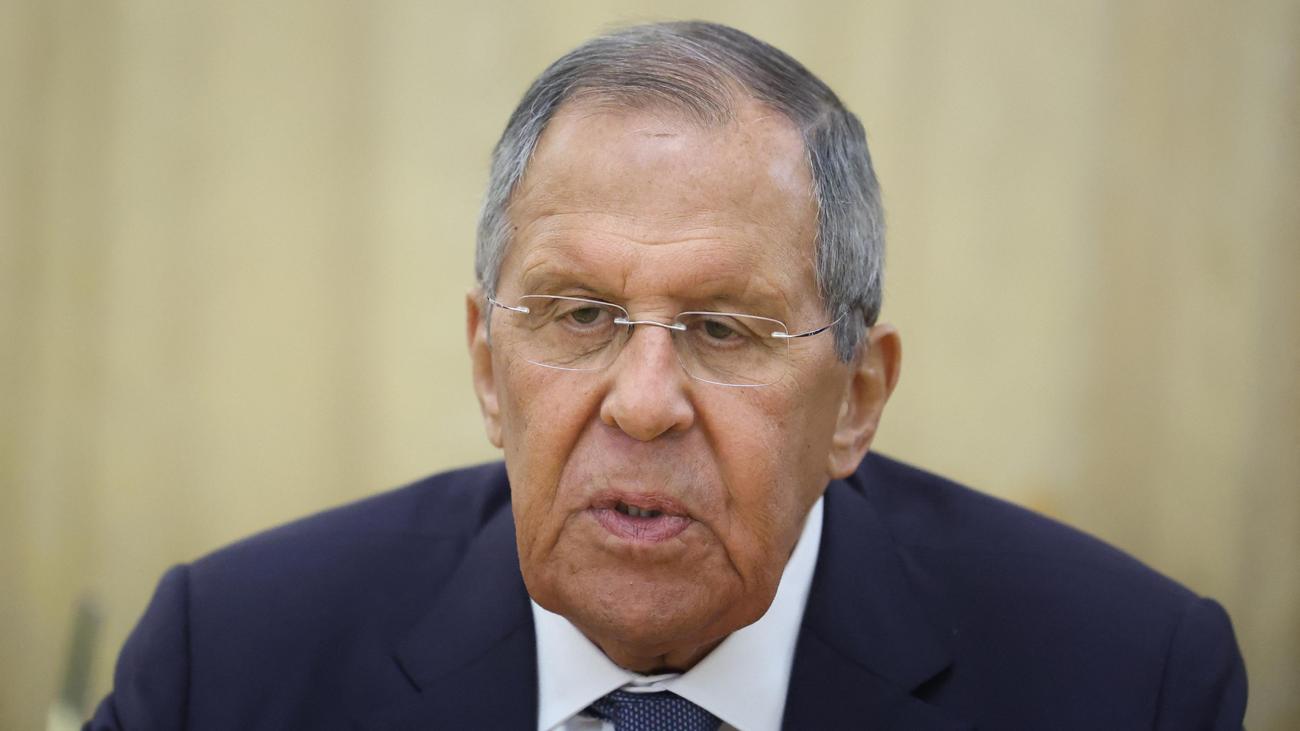
Russian Foreign Minister Sergei Lavrov has sharply escalated diplomatic tensions, accusing the German federal government of wanting to "wage war again" against Russia. The aggressive rhetoric follows Berlin's recent decision to close the Russian Consulate General in Bonn and direct accusations linking Moscow to a thwarted explosive drone attack at Leipzig/Halle Airport.
German officials, including Interior Minister Alexander Dobrindt and Foreign Minister Johann Wadephul, publicly blamed the Russian government for the August 4 incident. Investigators discovered an explosive-laden drone near Ukrainian cargo planes at the airport, a vital logistics hub for Western military aid destined for Ukraine. Berlin stated that the individuals involved acted directly on behalf of Russian state intelligence entities.
Context and Background
This dramatic diplomatic rupture builds upon months of mounting friction regarding European security and suspected Russian sabotage operations. Over the past year, Western intelligence agencies have reported a sharp uptick in hybrid warfare tactics across the continent, including cyberattacks, disinformation campaigns, and targeted disruptions of critical infrastructure.
Germany, serving as one of the primary financial and military supporters of Ukraine, has increasingly found itself on the frontline of these covert operations. The discovery at Leipzig/Halle Airport transformed abstract warnings about hybrid threats into a direct, tangible security crisis on German soil, forcing Berlin to abandon its historically cautious diplomatic posture in favor of punitive actions, such as expelling diplomatic personnel and shuttering the Bonn consulate.
Why It Matters
Lavrov rejected the findings as baseless fabrications and directly targeted Chancellor Friedrich Merz, claiming that Berlin's actions amount to a de facto declaration of war and ignore historical lessons. Moscow has dismissed the allegations as an "unfounded provocation" designed to justify further European militarization.
The escalation marks a severe deterioration in bilateral relations. By closing diplomatic outposts and openly branding the drone incident as state-sponsored hybrid warfare, Germany is taking a much harder line against Russian covert operations, significantly narrowing the space for diplomatic dialogue.
What Chancellor Merz Says
Addressing the public during a campaign event near Hanover, Chancellor Friedrich Merz defended Berlin's firm response. He confirmed that Germany has drawn clear conclusions from the Leipzig incident and issued a direct warning to Moscow to halt its hybrid campaigns.
"Everyone who attacks us must know: We are firmly resolved to defend our constitutional state, our democracy, our open society, and the integrity of our territory," Merz stated.
What's Next
As diplomatic channels narrow, both nations are expected to implement retaliatory measures. Observers anticipate further expulsions of diplomatic staff, tighter visa restrictions, and heightened security protocols around critical European logistics hubs. This standoff highlights the mounting risks facing European infrastructure as the continent solidifies its support for Ukraine.

/https://i.s3.glbimg.com/v1/AUTH_da025474c0c44edd99332dddb09cabe8/internal_photos/bs/2026/E/7/A7rF9LQWiBO2cB4s7MHQ/whatsapp-image-2026-08-21-at-13.55.54.jpeg)