What Happened
The NHS is launching a major public health initiative to distribute free HPV self-testing kits to nearly four million women and people with a cervix in England who are overdue for their routine cervical screenings.
Over the next year, eligible individuals aged 25 to 64 who are at least six months overdue for their smear test will receive digital and physical invitations. They can order a discreet self-sampling kit directly to their homes via text, email, the NHS App, or postal letters.
Background and Context
This nationwide rollout builds on the successful "YouScreen" pilot study in London, which distributed kits to more than 31,000 people. The trial demonstrated that offering a self-test option successfully engaged individuals who had not been screened for years—some for over a decade.
Currently, cervical screening coverage in England is lagging, with roughly one-third of eligible individuals failing to attend regular appointments. This decline is largely attributed to systemic and personal barriers, including clinic scheduling difficulties, physical discomfort, embarrassment, or past trauma.
Why It Matters
Almost all cervical cancers are caused by high-risk strains of the Human Papillomavirus (HPV). Because the virus often displays no early symptoms, regular screening is the single most effective tool to detect pre-cancerous cell changes before they progress.
Providing home kits is a major step toward health equity. Public health experts estimate that this initiative will:
- Increase Participation: Encourage at least 400,000 additional women to participate in screening annually.
- Bridge Accessibility Gaps: Overcome geographic, physical, and psychological barriers for marginalized communities and individuals with disabilities.
- Save Lives: Prevent hundreds of cervical cancer cases and related deaths each year through early detection.
How the Home Kits Work
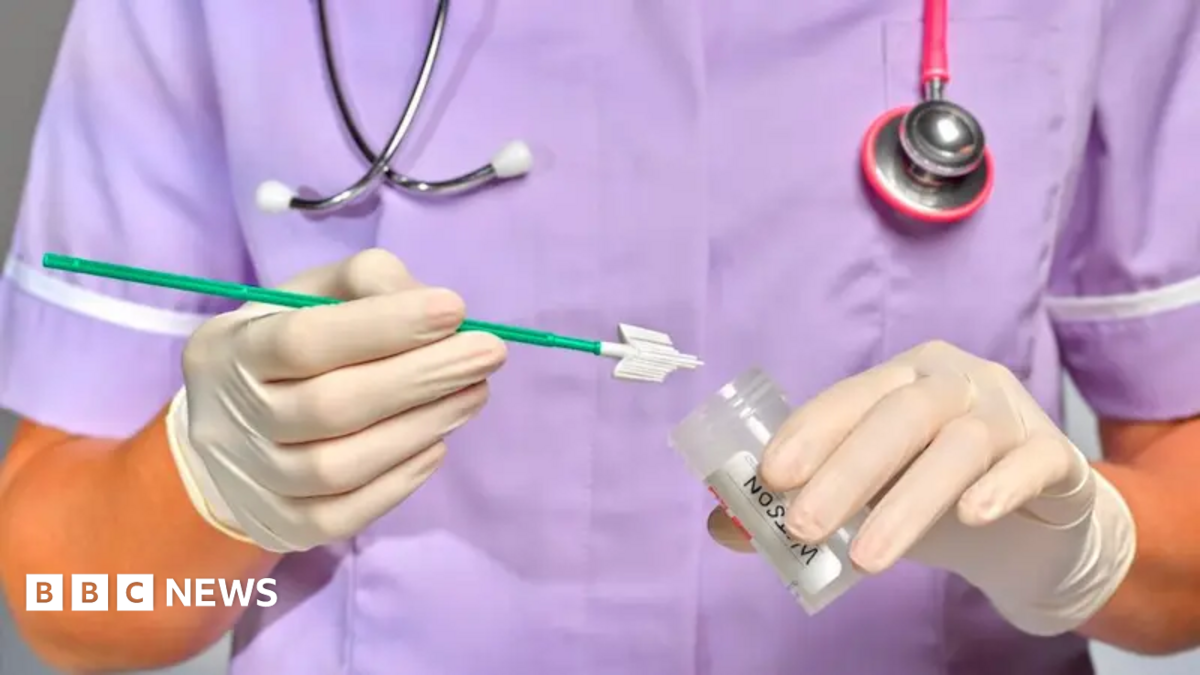
The kit contains a simple, dry vaginal swab similar to a cotton bud. Users collect their own sample in the privacy of their home and mail it to an NHS laboratory in a pre-paid envelope.
Unlike traditional smear tests that check for abnormal cells directly, this test checks for the presence of HPV DNA. If high-risk HPV is detected, the individual will be contacted to schedule a follow-up clinical examination (a colposcopy or standard cervical screening) to check for cellular changes.
What's Next & Future Outlook
This rollout is a cornerstone of the NHS's ambitious strategy to eliminate cervical cancer in England by 2040. If this phase successfully increases uptake among overdue patients, healthcare officials may transition self-testing from a secondary safety net to a primary, first-line screening option available to all eligible individuals in the UK.


