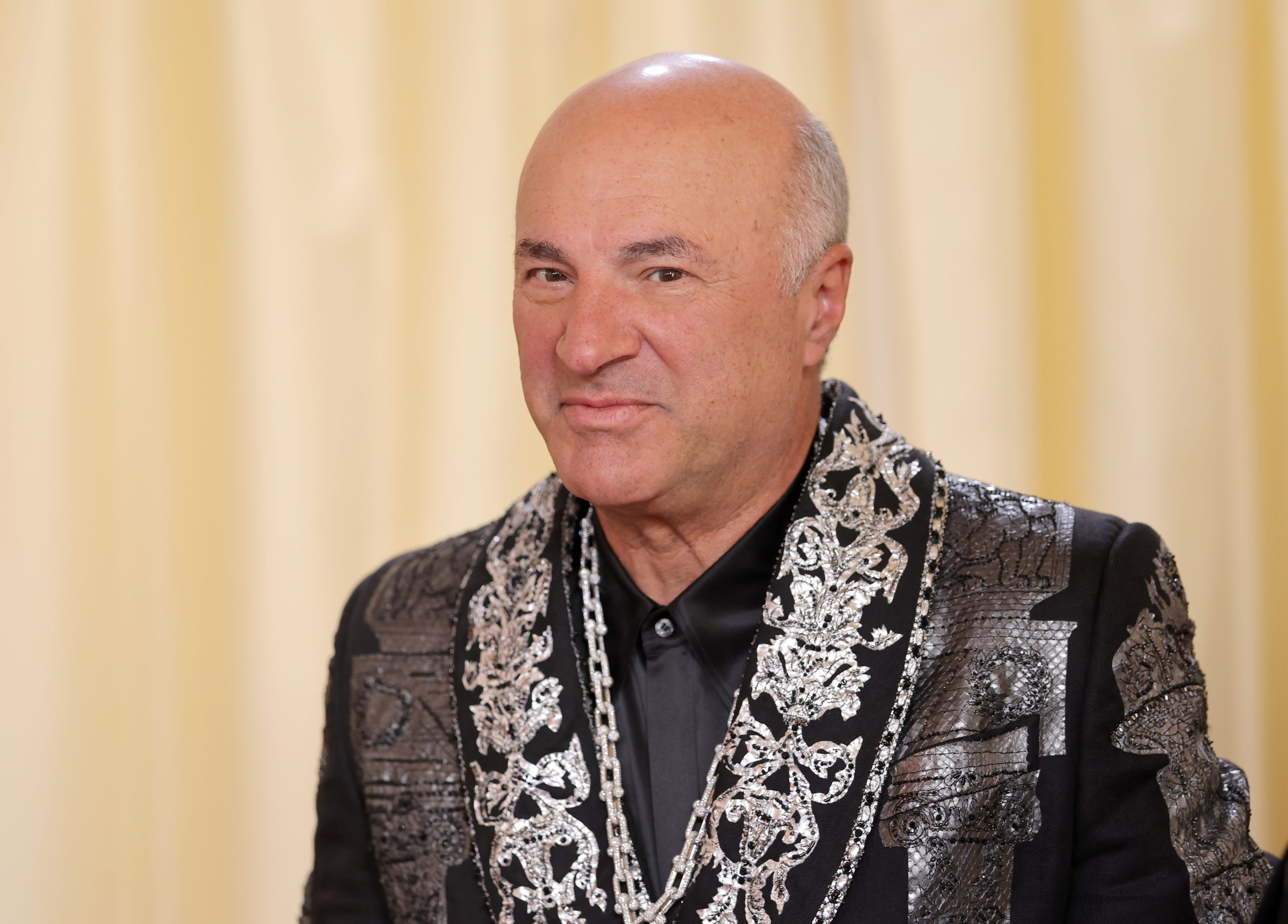
As inflation and high living costs strain household budgets, saving for the future often takes a back seat. However, Shark Tank star and multimillionaire investor Kevin O'Leary argues that disciplined saving is more critical than ever.
In a recent viral video, the entrepreneur shared a straightforward formula designed to build long-term wealth, aligning with classic guidance from financial legends like Warren Buffett and Suze Orman.
The 15% Rule Explained
O’Leary's core financial philosophy is simple: cut unnecessary spending and let compounding interest do the heavy lifting. His golden rule is to take 15% of every dollar earned—from regular paychecks to side hustles—and invest it directly into the market.
For an American earning the national average salary of $68,000, setting aside 15% amounts to roughly $850 per month. According to historical market returns, investing that steady monthly contribution over a 40-year career can compound into a multi-million-dollar portfolio by age 65.
Even with a more conservative market return, consistent monthly investing easily pushes an average worker past millionaire status by retirement age.
The Reality Check
While the math behind O'Leary's advice is mathematically sound, executing it in today's economy presents a massive hurdle for many households.
Recent federal data shows the overall U.S. personal saving rate hovers around 4.4% of disposable income—far short of the 15% target. After accounting for steep national averages on essential expenses like rent, groceries, student loans, and utilities, many workers have very little discretionary cash left at the end of the month.
What Financial Experts Recommend
O'Leary’s strategy mirrors advice long championed by Warren Buffett, who frequently advises everyday investors to park their money in low-cost S&P 500 index funds and let them grow untouched.
Similarly, financial expert Suze Orman has emphasized that workers must prioritize saving at least 10% to 15% of their income. With life expectancies rising and healthcare costs climbing, financial planners warn that retirement funds must stretch significantly longer than previous generations experienced.
Despite current economic pressures making high savings rates difficult, experts agree that starting small and consistently investing remains the most reliable path toward long-term financial security.


