Tamil Nadu politics has sparked a fresh conversation after a major decision by ruling party representatives inside the state assembly, centering on public resource management and political optics.
What Happened
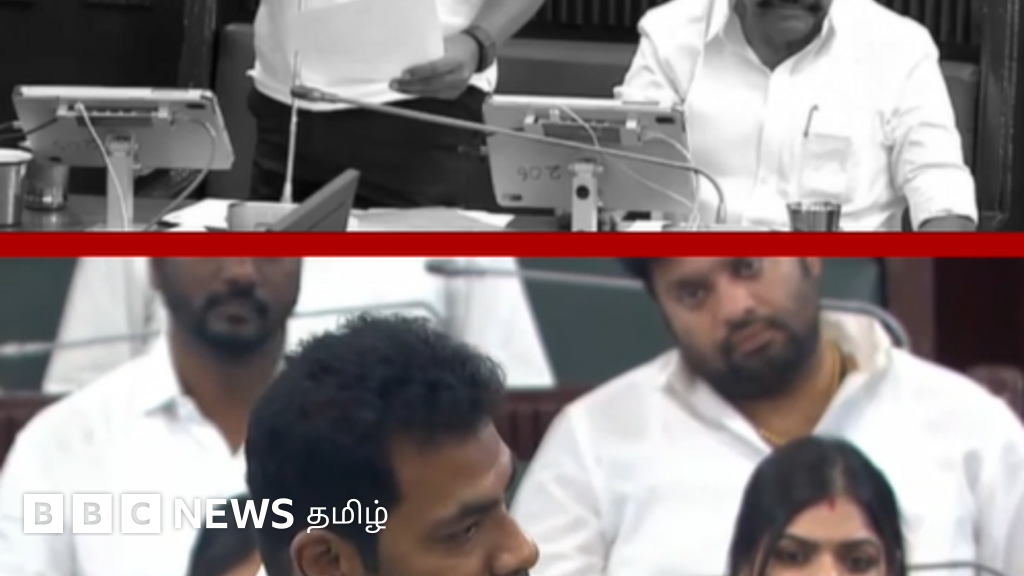
During a recent session of the state legislative assembly, senior ruling party figure and leader Udhayanidhi Stalin made a surprising announcement regarding official legislative perks. He stated that Dravida Munnetra Kazhagam (DMK) MLAs have collectively decided to decline the official vehicles routinely provided by the Tamil Nadu government to elected representatives.
Rather than standardizing vehicle allocation for all lawmakers regardless of their personal financial standing, the party leadership has chosen to step back from utilizing this state-provided benefit, framing the choice as an act of fiscal solidarity.
Background and Context
The provision of official cars to Members of Legislative Assembly (MLAs) has long been a standard administrative practice in Tamil Nadu, designed to ensure that elected representatives can travel effectively across their constituencies to handle civic grievances and state duties.
However, public perception surrounding perks and privileges for politicians has increasingly come under scrutiny. By voluntarily stepping away from universal entitlement, the DMK leadership seeks to reshape the narrative around legislative privilege, aligning the party's image with grassroots austerity and responsible governance.
Why It Matters
The core of this decision stems from a push for financial prudence and equity among elected representatives.
Instead of a blanket distribution of official cars to every legislator, Udhayanidhi Stalin explicitly urged the state government to adopt a targeted, needs-based approach. He emphasized that state resources should exclusively be redirected toward supporting economically disadvantaged members—irrespective of political affiliation—who genuinely require logistical assistance and financial backing to fulfill their public duties effectively.
This move carries significant political weight, placing moral pressure on opposition parties to justify their own utilization of state-funded perks and challenging the conventional expectations of political office in South India.
What's Next
This unprecedented step shifts the spotlight directly onto how the state administration and assembly secretariat will handle vehicle allocations moving forward.
The discussion now centers on whether administrative rules will be formally amended to institutionalize a needs-based vetting process, moving away from universal entitlement for elected officials in Tamil Nadu and setting a new benchmark for legislative accountability.