What Happened
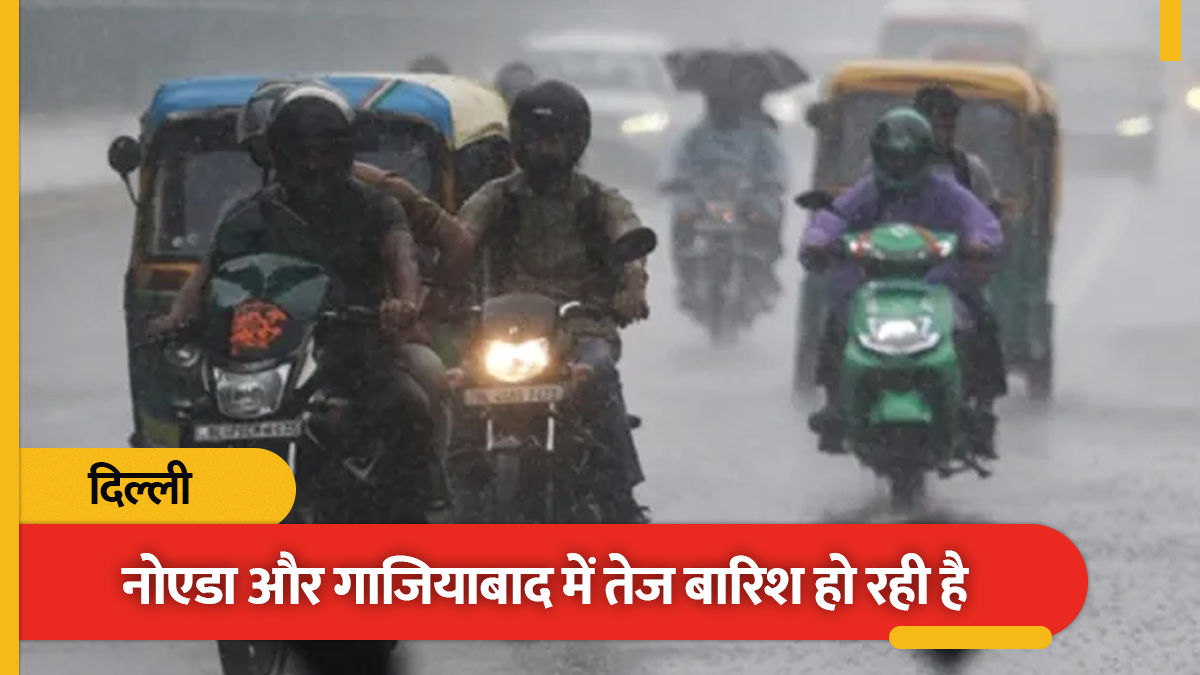
Monday morning took an unexpected and dramatic turn across the National Capital Region (NCR) as torrential downpours and dense storm clouds abruptly swept through the area. In densely populated urban centers like Noida and Ghaziabad, the combination of heavy rain and exceptionally thick, low-hanging cumulonimbus clouds created near-total darkness by midday, effectively turning day into night.
Motorists on major arterial highways and expressways were forced to switch on their vehicle headlights and hazard lights in broad daylight as visibility dropped sharply within minutes. The sudden meteorological shift followed an overcast morning that featured only light drizzle in isolated pockets before rapidly intensifying around 11:00 AM, accompanied by strong, gusty winds that swept across the plains.
Meteorological Background and Development
This sudden localized cloudburst and daytime darkening stem from an active monsoon trough interacting with a western disturbance passing through the upper atmosphere. High humidity levels, combined with intense morning solar heating, created localized instability. This atmospheric setup allowed massive storm clouds to build up rapidly over the region, blocking out sunlight almost entirely over specific corridors of the NCR.
Weather stations also recorded intense, concentrated showers in Gurugram's Manesar industrial area, where heavy downpours lasted for roughly 40 minutes, dropping significant rainfall totals in a very short window.
Why It Matters
On the positive side, the sudden cloudburst brought a sharp, welcome drop in temperatures, offering much-needed relief from the oppressive humidity and lingering summer heat that residents have endured over recent weeks.
However, the rapid weather shift immediately disrupted daily routines and critical infrastructure. Office-goers and morning commuters faced significant hurdles as heavy waterlogging began to accumulate rapidly on key roads, underpasses, and low-lying intersections. Traffic movement slowed to a frustrating crawl across Noida, Ghaziabad, and Gurugram, creating severe rush-hour bottlenecks and stranding public transit users. Municipal drainage systems, overwhelmed by the sheer volume of water falling in such a compressed timeframe, struggled to clear the runoff efficiently.
What's Next and Future Outlook
Local municipal authorities and disaster management teams are closely monitoring low-lying areas historically prone to severe waterlogging, while traffic police personnel are deployed to manage slowed vehicle speeds on major arterial routes.
According to the India Meteorological Department (IMD), overcast skies and intermittent spells of light to moderate rainfall are expected to persist throughout the day across the wider Delhi-NCR zone. While this wet spell successfully breaks the persistent humid heat wave, city planners and commuters alike must contend with lingering transit delays as infrastructure absorbs the heavy runoff.


