What Happened
Delhi's weather has taken another sharp turn, catching residents and commuters off guard. Sudden shifts in atmospheric pressure and local wind patterns have triggered heavy downpours and fluctuating temperatures across the National Capital Region (NCR).
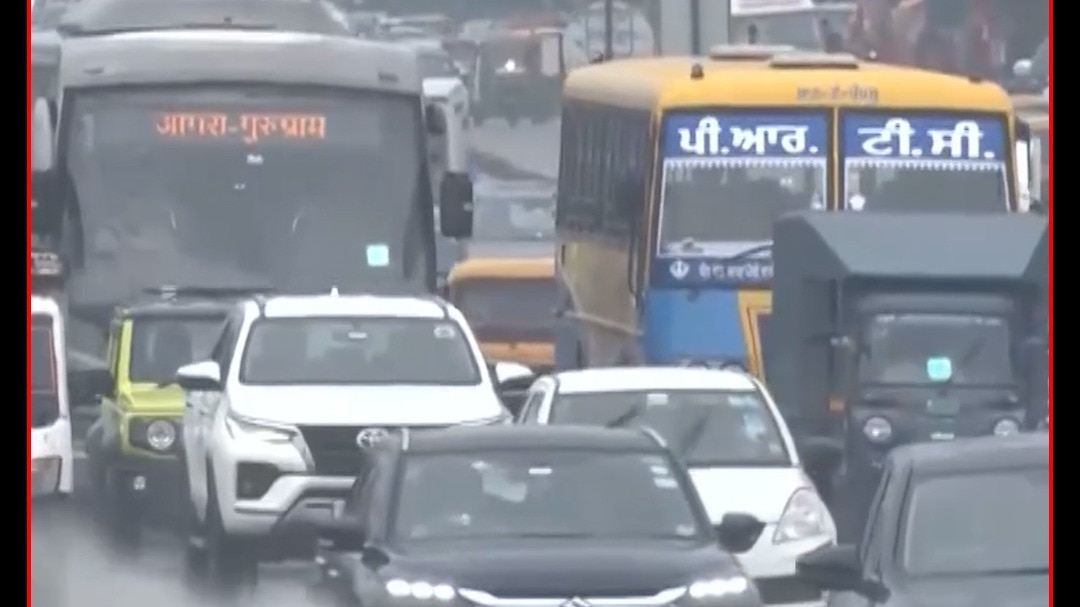
The rapid change in weather conditions has led to localized waterlogging on major arterial roads, significantly slowing down morning and evening commutes. Municipal teams have been deployed to clear blocked drains, but the sudden volume of precipitation has tested the city's stormwater drainage infrastructure once again, leaving vehicles stranded in low-lying intersections.
Why It Matters
For millions of residents, these erratic weather patterns translate directly into daily friction. Heavy traffic congestion, delayed public transit, and unexpected commuting headaches disrupt the productivity of the workforce across the capital.
Beyond transit woes, these rapid meteorological shifts have an immediate impact on public health. Fluctuating temperatures and high humidity levels create ideal breeding conditions for pathogens, frequently triggering a surge in seasonal illnesses, including viral fevers, respiratory infections, and water-borne ailments. Vulnerable populations, particularly children and the elderly, face heightened health risks during these abrupt environmental transitions.
Furthermore, economic productivity takes a hit as delivery services, outdoor laborers, and small businesses face operational pauses during peak downpour hours.
Important Context
Delhi's climate has increasingly shown extreme volatility over recent seasons. Traditional transition periods between seasons are shrinking, replaced by abrupt shifts from intense heatwaves to sudden, heavy precipitation spells.
Urban planners and environmental analysts note that rapid concrete expansion, shrinking green cover, and the urban heat island effect amplify the intensity of these weather events. When heavy rain hits densely built urban environments, the lack of natural soil absorption surfaces quickly overwhelms municipal stormwater systems, worsening localized flooding across both older and newly developed NCR sectors.
What's Next
Meteorological authorities continue to monitor satellite data and regional wind currents closely for further updates. Residents are advised to check real-time traffic advisories before stepping out, plan alternative transit routes, and take necessary precautions against seasonal health risks as atmospheric instability persists over the coming days.


