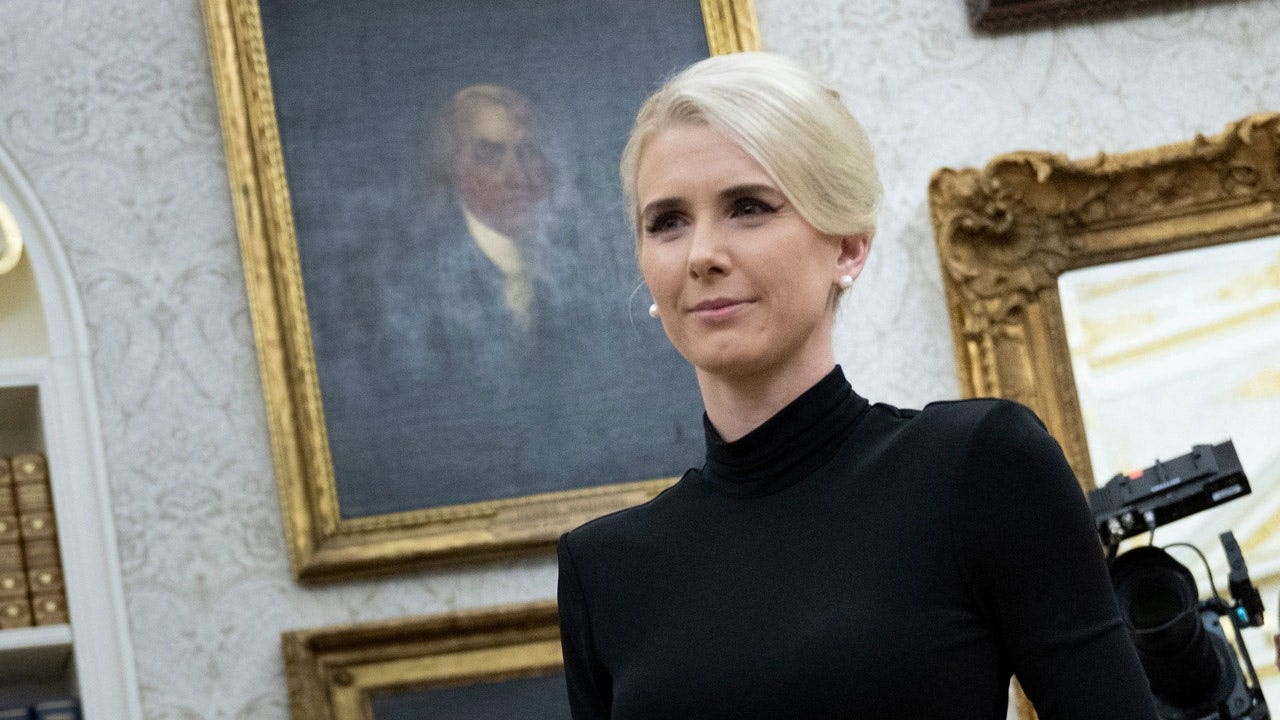
White House staffer Natalie Harp has unexpectedly found herself at the center of a massive media storm. Liberal cable networks have dedicated hundreds of segments to scrutinizing the 35-year-old aide, sparking fierce debates over media ethics and political targeting.
Who is Natalie Harp?
Before stepping into her current West Wing role, Harp was primarily known as a conservative commentator who publicly credited Donald Trump's "Right to Try" legislation with saving her life during her battle with bone cancer. Within the administration, she quickly became a fixture of Trump's inner circle. Often described by media outlets as his "human printer," Harp's daily responsibilities involve traveling alongside the former president to supply him with real-time news updates, positive press clips, and social media feeds.
What Triggered the Coverage?
The intense spotlight began after a viral stump speech by Sen. Jon Ossoff, D-Ga. During the address, Ossoff name-dropped Harp, prompting intense speculation and an immediate media feeding frenzy.
Although Ossoff has since attempted to distance himself from the innuendo, cable news outlets seized on the moment. According to media monitoring transcripts, Harp's name was mentioned hundreds of times across CNN and MS NOW within a single week, with coverage continuing to escalate.
What the Networks Are Focusing On
Both networks have dug deep into Harp's background and her role inside the administration. Coverage has ranged from reports on loyalty letters written to Donald Trump and her presence on high-security travel to questions regarding her security clearance access.
CNN also drew sharp criticism from conservatives for airing an interview with Harp's estranged brother, Preston Harp. Meanwhile, scrutiny has extended to her past social media posts and unconventional anecdotes surrounding her dedication to the former president.
Why It Matters
Media watchdogs argue that the intense focus on a mid-level White House staffer reflects a broader, relentless opposition to Donald Trump. Curtis Houck, managing editor of NewsBusters, criticized the coverage, claiming the networks are willing to drag private individuals into political firestorms to target the administration.
This media blitz marks a shifting boundary in political reporting. Historically, non-spokesperson staffers remained behind the scenes. By elevating Harp into a household name, critics argue that mainstream media outlets are redefining what constitutes a public figure, setting a precedent that could impact staff retention and privacy across future administrations.
The situation has also escalated tensions between the White House and the press corps. Following questions directed at Trump regarding the controversy, the White House issued sharp rebukes of CNN reporters, prompting the network to fiercely defend its journalism against attacks it deemed inappropriate for the office.
What’s Next: The Press Room Fallout
The ongoing hostility is expected to complicate White House press relations in the coming months. Observers anticipate tighter restrictions on press access during travel pools, as well as a more defensive, combative posture from the administration’s communications team. Whether other Democratic lawmakers will follow Ossoff’s lead in targeting individual staffers during the campaign cycle remains a key point of focus for media watchdogs.