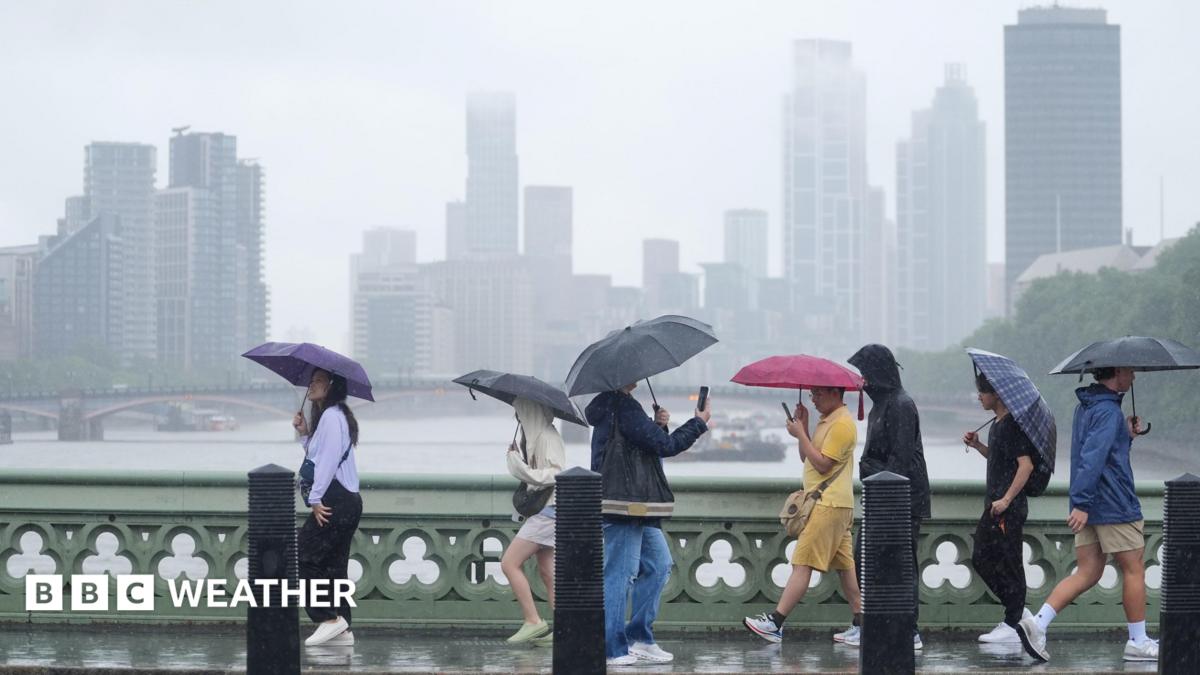
The dramatic heatwaves and relentless droughts that defined much of the summer are finally taking a backseat, but the transition is bringing its own set of dramatic challenges. According to the latest updates from BBC Weather, a fresh wave of unsettled conditions is sweeping across the nation—bringing a sharp drop in temperatures and the risk of severe thunderstorms.
However, meteorologists warn that this impending rain might not provide the relief that parched regions desperately need.
The Catch: Rain, But Not Where It's Needed Most
While heavy showers and low pressure systems are marching across parts of north-west England, Northern Ireland, and southern Scotland, the areas in England and Wales currently suffering under severe drought conditions might miss out entirely.
Drought officials recently confirmed that a staggering 71.3% of England—alongside the entirety of Wales—is currently gripped by drought following the driest July since records began in 1836.
When heavy downpours do hit these bone-dry regions, they bring a secondary hazard: flash flooding. Because the prolonged heat has left the ground baked, hard, and compacted, the soil has essentially turned water-repellent. Instead of soaking into the earth, sudden heavy rain rushes off the surface, creating dangerous flash floods complete with hail and lightning.
Arctic Air and a Sudden Drop in Temperatures
As the low-pressure system moves in, it is dragging down a blast of much cooler air straight from the Arctic. For the first time in weeks, temperatures are plunging below average.
- Scotland and Northern Ireland: Highs will hover between 13°C and 18°C.
- England and Wales: Temperatures will pull back to a much more seasonal 18°C to 22°C by Thursday, offering a stark contrast to the stifling heat felt just a week prior.
While these cooler conditions are expected to persist through the remainder of meteorological summer, long-range forecast models hint that the warmth might not be gone for good. Forecasters suggest there is a distinct possibility that temperatures could rebound as we head into September, potentially sparking new hot spells in the south.
For now, communities are being urged to stay alert, keep an eye on local warnings, and prepare for a jarring pivot from scorching sunshine to sudden summer storms.


