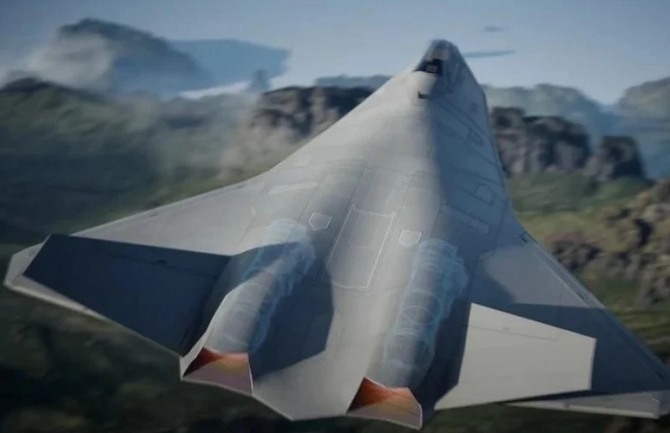
The Evolution of Air Superiority
The global defense landscape is rapidly shifting as major aerospace powers accelerate the development of 6th-generation fighter jets. Building upon the low-observable foundations of 5th-generation platforms like the F-35 and J-20, these upcoming aircraft are engineered to operate in hyper-connected, multi-domain combat environments.
Military analysts emphasize that these new jets are not merely faster airplanes. Instead, they function as flying command centers, capable of coordinating autonomous systems and processing vast amounts of battlefield data in real time. This evolution represents a fundamental pivot from individual platform performance to integrated, network-centric warfare.
Key Technological Breakthroughs
Air superiority is entering a new era where speed and traditional stealth alone are no longer sufficient. Nations are pouring billions of dollars into research and development to counter rapidly evolving electronic warfare threats and sophisticated integrated air defense systems (IADS).
Key advancements driving this transition include:
- Artificial Intelligence Integration: Advanced AI copilots designed to manage complex tactical decisions, reduce pilot cognitive load, and execute maneuvers at machine speed.
- Loyal Wingman Drones: Seamless tactical coordination with unmanned combat aerial vehicles (UCAVs) to absorb risks and extend operational reach.
- Directed Energy Weapons: Ongoing research into high-energy lasers for incoming missile defense and close-range combat applications.
- Advanced Thermal Management: Innovative airframe designs and materials built to minimize infrared signatures across multiple detection spectrums.
Why It Matters: Strategic and Economic Stakes
The transition to 6th-generation air systems carries massive geopolitical and industrial implications. Programs such as the United States' Next Generation Air Dominance (NGAD) initiative, Europe's Future Combat Air System (FCAS), and the UK-led Global Combat Air Programme (GCAP) involve multi-billion-dollar investments and international coalitions.
For defense stakeholders, securing a technological edge in this domain ensures multi-decade deterrence capabilities and dominance in global aerospace manufacturing. Furthermore, the technologies pioneered in these fighter programs—particularly in edge computing, adaptive cycle engines, and quantum sensors—frequently translate into critical civilian aerospace and dual-use technological spin-offs.
Future Outlook and Deployment Timeline
As prototyping, wind tunnel testing, and initial digital flight simulations progress worldwide, the defense industry is bracing for a profound shift in military doctrine. Operational fielding for these systems is widely anticipated to begin in the mid-to-late 2030s. The success of these next-generation programs will ultimately redefine strategic deterrence, reshape allied interoperability, and determine air supremacy for the remainder of the 21st century.