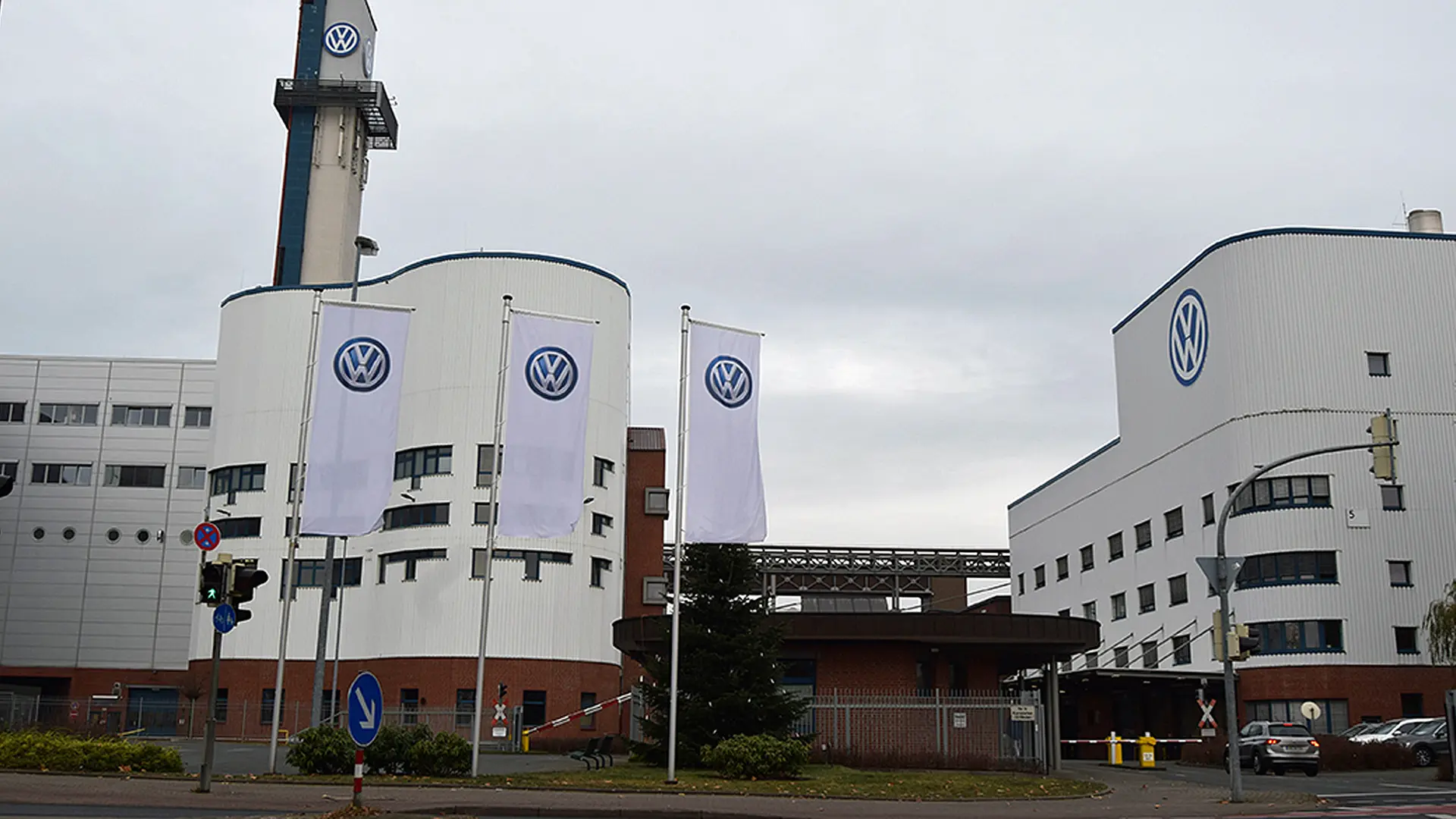
Volkswagen Osnabrück's Tectonic Shift: The End of an Automotive Era
After more than 120 years of crafting iconic automobiles, the production lines at Volkswagen's Osnabrück plant are slated to fall silent by the summer of 2027. This isn't just an end to a century-long tradition; it's a stark symbol of the sweeping changes gripping the global automotive industry. With roughly 2,000 employees facing an uncertain future, the search for a new purpose for the sprawling facility is intensifying, and the potential solution is raising eyebrows: a pivot from cars to defense systems.
The move comes as Volkswagen grapples with flagging auto sales in the first quarter, pushing the German auto giant to scale back production capacities worldwide. The Osnabrück plant, a beacon of automotive craftsmanship, now finds itself at the epicenter of a critical decision point that could redefine its legacy.
From Wheels to Warheads? The Controversial Defense Pivot Proposal
The leading contender for Osnabrück's future is a radical transformation into a hub for defense production. Volkswagen is reportedly in advanced discussions with the Israeli defense conglomerate Rafael Advanced Defense Systems. The vision? To manufacture components for cutting-edge missile defense systems right there in Osnabrück, specifically for the German Bundeswehr.
This isn't merely a strategic business decision; it's a high-stakes gamble with profound implications for the local economy, national security, and Germany's industrial identity. The prospect of an historic automotive site converting to military hardware production is a powerful narrative, reflecting a world in flux.
Niedersachsen's Risky Bet: State Government Weighs Direct Investment
Adding another layer of intrigue to this complex scenario, the state government of Niedersachsen is reportedly considering a direct stake in the Volkswagen Osnabrück plant. According to a report by German business magazine "Capital," this state investment would be designed to actively support the conversion from automotive to defense manufacturing.
While the Niedersachsen state government has offered a nuanced response, neither confirming nor outright denying the "Capital" report, a spokesperson for the state affirmed, "constructive talks with various partners are continuing," adding they would not comment on "individual details." This carefully worded statement suggests that while specifics remain under wraps, the possibility of state involvement is very much on the table.
Why does this matter? A state-backed investment in a defense conversion project is highly unusual for Germany, signaling the immense pressure to preserve jobs and industrial capacity. It underscores the political will to prevent mass layoffs and maintain a strong industrial base, even if it means venturing into new, and potentially controversial, territories.
The Human Cost: Securing 2,000 Jobs in a Shifting Landscape
At the heart of these high-level negotiations are the 2,000 employees who call the Osnabrück plant their workplace. For them, the shift isn't abstract; it's about livelihoods, families, and community. The plant's works council has openly expressed the burden of uncertainty on the workforce, emphasizing the urgent need for clarity.
Niedersachsen's Minister President, Stephan Weil, has been vocal about demanding "perspectives for employees" as Volkswagen's supervisory board meets in Wolfsburg to deliberate these "sensitive issues." The stated goal of the state government is clear: "to avert factory closures," particularly for the Osnabrück site.
A decision on the plant's future is expected by the end of the year. Until then, the clock ticks for Volkswagen Osnabrück, its workforce, and the Niedersachsen government. The outcome will not only shape the fate of a historic German industrial site but could also set a precedent for how Europe grapples with industrial transformation, job security, and the evolving geopolitical landscape.
The transition from building cars for the masses to manufacturing defense components for the nation marks a profound pivot, challenging traditional perceptions and highlighting the intricate dance between economics, politics, and the relentless march of global events.


