Vladimir: A 'Proper Grown-Up' TV Show Challenging Modern Morality
Forget your escapist fantasies for a moment. Vladimir, the new eight-part series adapting Julia May Jonas's provocative 2022 novel, isn't here to make you comfortable. Instead, it offers a stark, often darkly comedic, and utterly unsparing look at the messy realities of middle age, power dynamics, and the shifting sands of ethical conduct in academia. This isn't just television; it's a mirror reflecting uncomfortable truths.
WhyThisBuzz has been buzzing about this one, and for good reason. Jonas herself, serving as writer, creator, and executive producer, has masterfully translated the novel's biting wit and fearless exploration of moral grey areas to the screen. The result is a show that feels both timely and timeless, anchored by an "unswervingly brilliant" performance from Rachel Weisz.
Rachel Weisz Leads an Unflinching Look at Academic Power Dynamics
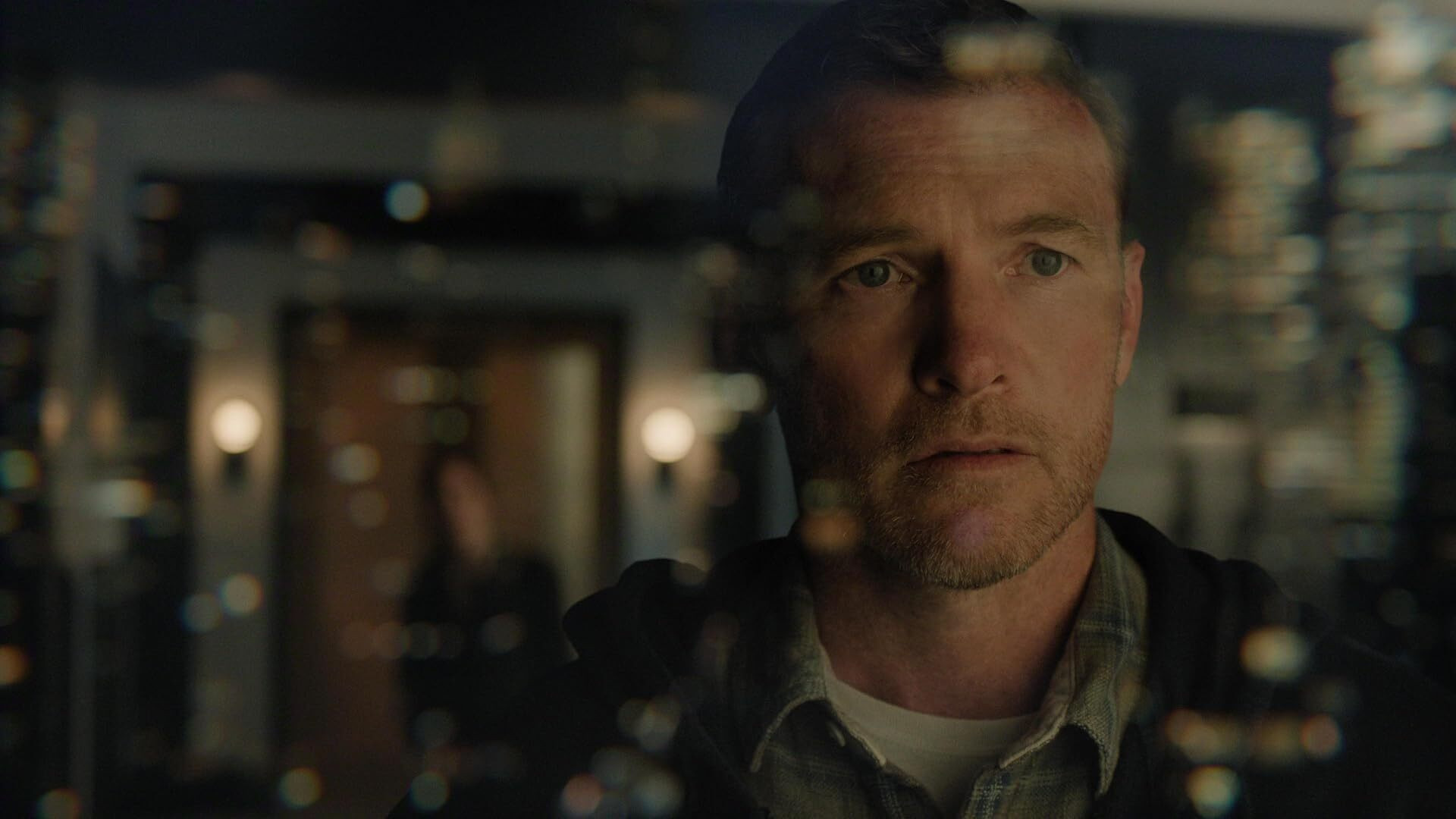
Weisz plays an unnamed, tenured English professor, a woman whose intellectual prowess is undeniable, but whose emotional landscape is far more tangled. Her world is upended when her husband, John (played with familiar charm by John Slattery), another esteemed academic on the same campus, is suspended for a pattern of sleeping with students.
His defense? A recurring, almost mantra-like refrain: "It was a different time." And here's where Vladimir truly begins to unravel the complexities. This isn't just John's convenient excuse; it's a sentiment echoed by his wife, and indeed, by many within their seemingly sophisticated peer group. The show forces us to ask: how much do societal norms truly shift, and how much do we simply revise history to suit our current narrative?
John Slattery's Scandal: Was it 'A Different Time' for Consent?
The series deftly handles the intricate web of consent, particularly concerning power differentials in academic settings. John's suspension is the catalyst, but it's the ripple effect through the lives of those around him—and the audience's own preconceptions—that provides the series' real intellectual heft. Was it truly different? Or simply a truth we're now more willing to acknowledge? Vladimir doesn't preach answers; it demands questions.
The Protagonist's Past: Open Marriages and Unconventional Arrangements
Weisz's character is no innocent bystander. She's long been aware of John's affairs, describing their relationship as "an arrangement – what kids today would call an open marriage, but without all the awful communication." This single line is a masterclass in character definition, revealing a woman who values intellect over emotion, pragmatism over vulnerability. It also sets the stage for her own burgeoning, unexpected desires.
Leo Woodall as Vladimir: New Desire, New Complications for Our Heroine
Enter Vladimir (Leo Woodall), the bright, hot new thing on campus. He's charming, mildly flirtatious, and undeniably attractive. For our protagonist, he represents a spark of something new and dangerous, challenging her carefully constructed world. The irony? Vladimir is also married, and his equally bright wife, Cynthia, is fast becoming a favorite among the students – the very same students whose choices and complaints now hold the power to shape adult fates. The narrative quickly thickens, weaving in new layers of professional and personal entanglement.
Generational Divides: How 'Vladimir' Explores Student Power and Adult Hypocrisy
As the number of complainants against John grows, the show brilliantly dissects the generational chasm in how power, sex, and ethics are perceived. Weisz's character finds herself caught between conflicting loyalties: self-protection (which includes protecting John for pragmatic reasons like his pension), family loyalty to her daughter Sid (Ellen Robertson), and the abstract concept of justice.
In one of her many direct-to-camera addresses (a risky device that Vladimir pulls off beautifully), she muses, "It’s very hard for me to understand how consensual affairs that were fun not despite of the power dynamic but because of it could be thought of as hurtful or damaging after the fact. As a fellow female, I’m a little offended." It's a line designed to provoke, forcing viewers to confront their own biases and the complex nature of human experience.
Justice, Self-Preservation, or Envy? Unpacking Rachel Weisz's Character Motives
The show consistently challenges easy answers. Later, as the protagonist attempts to defer John's harassment hearing, she bonds with the college president's wife over their own "golden memories" of affairs with lecturers in a "different time." Are they deluding themselves? Protecting a bygone era? Or tapping into a inconvenient, perhaps uncomfortable, erotic truth about common human experience?
The protagonist herself questions her motives: Is she acting out of envy, rage, or a genuine conviction? She notes her own perceived loss of power—sexual, intellectual, and otherwise—as she ages. Vladimir thrives in this moral murkiness, refusing to paint anyone as purely good or evil.
Why 'Vladimir' Insists on Moral Grey Areas in Modern Relationships
This is the core strength of Vladimir. It’s a show that insists on human complexity, on the idea that none of us are pure in motive, clear in conscience, or entirely honest with ourselves or others. We are all multitudes, existing in shades of grey, and life rarely conforms to black-and-white moral pronouncements.
The series is a challenging, rewarding watch for anyone willing to grapple with uncomfortable questions about relationships, power, consent, and the stories we tell ourselves to justify our actions. It's an intelligent, unflinching exploration of what it means to be an adult navigating a world that constantly redefines its rules. And whatever young people think now, Vladimir suggests, they too will eventually learn this truth, perhaps sooner than they'd like.
Why 'Vladimir' is the Essential Watch for Nuanced Storytelling
In an era of increasingly polarized discourse, Vladimir stands out as a vital piece of storytelling. It asks us to slow down, to consider perspectives we might instinctively reject, and to embrace the messiness of human nature. This isn't just a drama; it's a conversation starter, making it an essential addition to your watch list.