The VAR Verdict That Ignited A Firestorm: Celtic vs. Motherwell Penalty Call
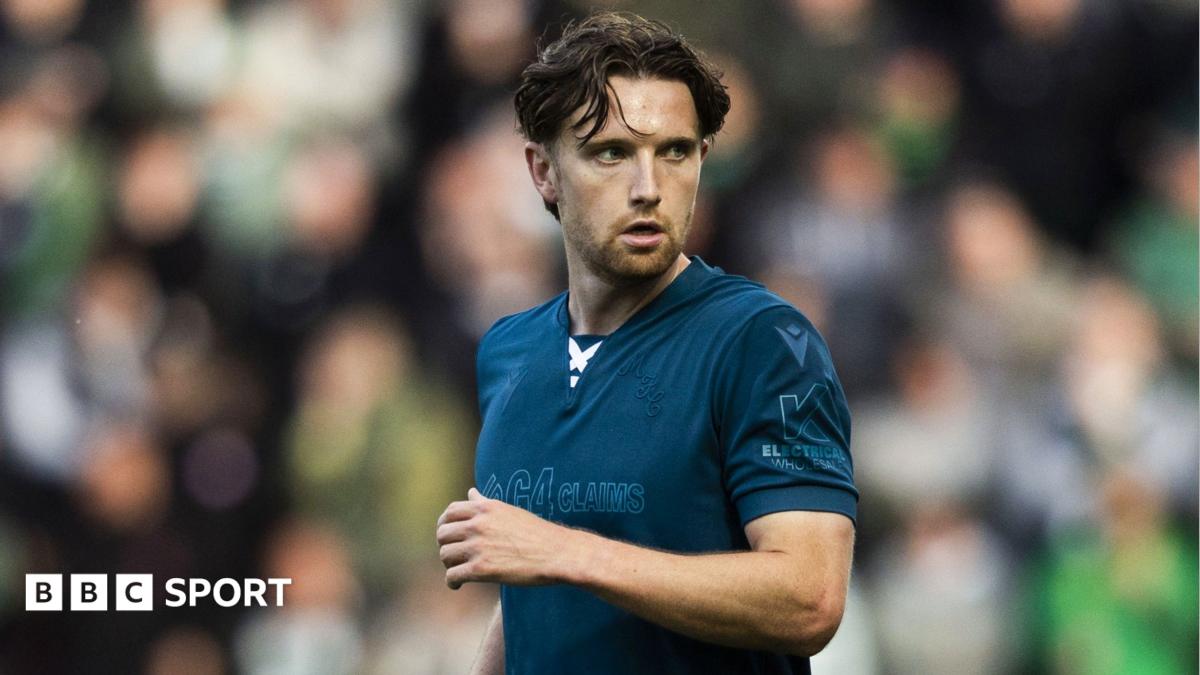
In the cutthroat world of Scottish Premiership football, controversies are as common as a Glasgow derby. But a recent disciplinary ruling has sent shockwaves, exposing the ever-present tension between passionate criticism, the power of social media, and the strict boundaries set by governing bodies. Motherwell midfielder Elliot Watt is at the center of this storm, facing a significant domestic ban following a blistering social media rant aimed at a controversial VAR decision during a May clash with eventual champions, Celtic.
It all stemmed from a pivotal moment in the 3-2 thriller at Fir Park. With the game finely poised, a late VAR review awarded Celtic a penalty after Sam Nicholson was deemed to have handled the ball. Kelechi Iheanacho converted, securing a crucial win for the Hoops on their path to the title. For Watt, who had actually opened the scoring in that very match, the decision was clearly unfathomable.
Elliot Watt's Explosive X Post: "Worst VAR Decision in History"
The 26-year-old midfielder didn't hold back. Taking to X (formerly Twitter) after the match, Watt publicly lambasted the call, declaring it "the worst VAR decision in history." Strong words, indeed. But in the eyes of the Scottish FA, these weren't just the frustrated cries of a player in the heat of the moment – they were a direct breach of their disciplinary rule 72. This rule explicitly forbids players from "criticising" official decisions or making comments that might "impinge" on a referee's character.
SFA's Swift Justice: Why Watt Was Banned & Motherwell Fined for Rule 72 Breach
The SFA wasted no time. Watt admitted the charges and has now been handed an immediate four-match suspension for his post-match comments. This isn't just about his personal penalty; the club itself, Motherwell, also felt the sting of the SFA's disciplinary hammer. They were fined £5,000 for a social media video posted after the game, which, while not as direct as Watt's tweet, was accompanied by the pointed caption: "As the world of football mocks our game, we simply have to draw a line in the sand and shift the focus." Clearly, the SFA saw this as an endorsement of criticism.
Motherwell's Outcry: Club Fined £5,000 and Seeking Legal Counsel
Motherwell's response has been one of clear disappointment. In a statement, the club expressed their frustration at the outcome, particularly regarding the fine linked to their social media activity. "The club are extremely disappointed at the outcome of today's hearing," they declared, indicating they've requested the written reasons behind the decision and plan to "liaise with our external solicitors on any next steps." This suggests a potential legal challenge, escalating the debate beyond just a sporting sanction. It raises the critical question: how far can clubs and players go in expressing discontent before crossing an arbitrary line?
Further muddying the waters, SFA head of refereeing Willie Collum, in his regular review of key incidents, publicly stated that the award of the spot-kick was the correct decision. This stark contrast between official validation and player outrage fuels the ongoing dialogue about VAR's implementation and perceived fairness. Adding to the disciplinary pile-up, then-Hearts head coach Derek McInnes also faces a hearing on July 22 for similarly calling the decision "disgusting." The SFA is clearly laying down a marker.
Beyond the Ban: Watt's Turbulent Season and Transfer Speculation
This four-match ban compounds what's already been a tumultuous period for Watt. In Motherwell's final game of last season – a 1-0 Premiership win at Hibernian – the midfielder was sent off after receiving two bookings. That red card alone meant a further domestic game added to his suspension tally, bringing his total domestic absence to five matches.
The timing is far from ideal for a player who, ironically, enjoyed a stellar season, even earning a coveted spot in the Premiership's PFA team of the year. Furthermore, Watt has been the subject of reported transfer interest from Turkish club Samsunspor. Missing significant domestic game time could undoubtedly impact his form, visibility, and potentially any ongoing transfer negotiations.
Impact on Motherwell's Domestic Season and European Ambitions
Crucially, however, Watt will be available for Motherwell's upcoming Conference League fixtures. Alfred Johansson's side is set to face Faroese club Havnar Boltfelag in the second qualifying round on July 23 and 30. This selective ban highlights the distinctions between domestic and European competitions, offering a silver lining for Motherwell's European aspirations while leaving them weakened on the home front.
The Broader Buzz: Freedom of Speech vs. Disciplinary Rules in Scottish Football
This entire saga isn't just about Elliot Watt and Motherwell; it's a microcosm of a much larger debate gripping modern football: the delicate balance between a player's freedom of expression, especially on social media, and the need to maintain respect for officials and the integrity of the game. Are SFA rules too draconian in an era where fan engagement and immediate reactions are par for the course? Or are they essential to prevent a descent into anarchy where every controversial call leads to public slander?
The £5,000 fine for Motherwell's subtly critical social media post sends a clear message to all clubs: even implicit criticism will be punished. This could lead to a chilling effect, where clubs and players self-censor, potentially stifling genuine, albeit heated, discourse around officiating. As VAR continues to polarize opinion, incidents like Watt's ban serve as a stark reminder of the tight leash disciplinary bodies intend to keep on all those involved in the beautiful, yet frequently frustrating, game. What happens next with Motherwell's legal counsel, and how the SFA handles the McInnes case, will undoubtedly shape the future of this thorny issue in Scottish football.

