Zelensky's Saudi Gambit: Ukraine's Drone Prowess Meets Gulf Security Needs
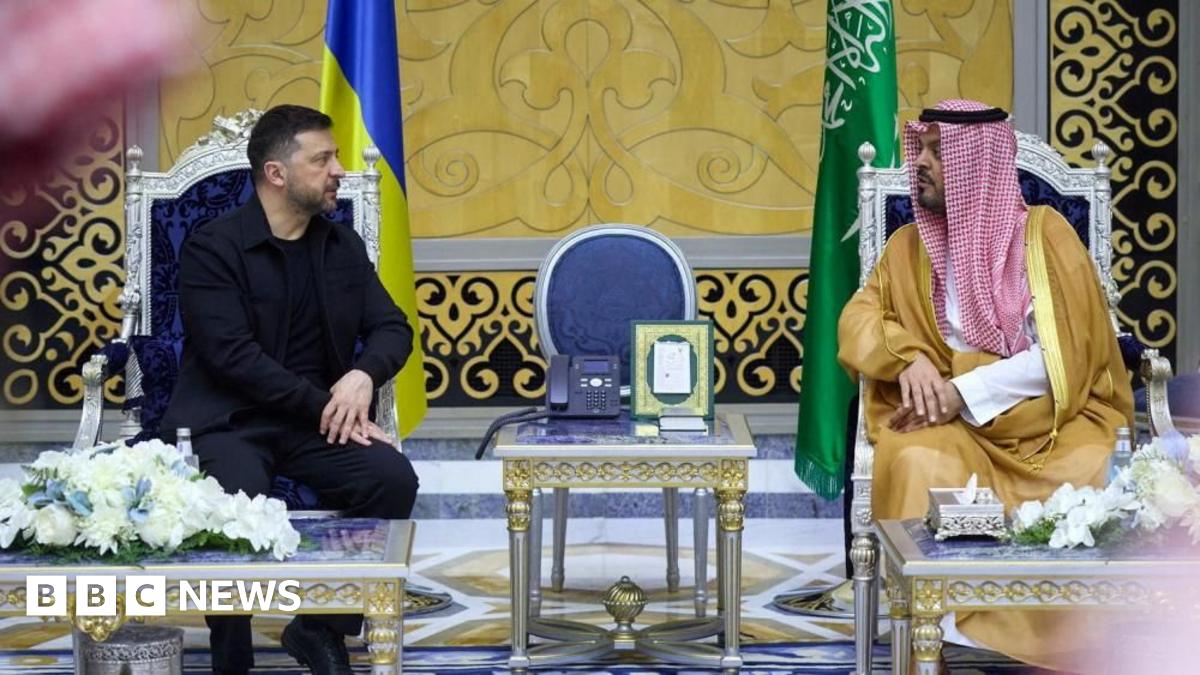
Ukrainian President Volodymyr Zelensky isn't just visiting Saudi Arabia for pleasantries. His recent trip to the Kingdom is a calculated move on a complex geopolitical chessboard, aiming to leverage Ukraine's hard-won battlefield experience in drone warfare for a critical strategic advantage. The pitch is clear: Ukraine's advanced drone technology and anti-drone electronic warfare systems can bolster security in the energy-rich Gulf region, and in exchange, Kyiv needs advanced air defense systems.
Why does this matter? For Europe and the global economy, energy security is paramount, directly impacting the cost of living and market stability. The Gulf's vast oil, gas, and other resources are central to this equation. Zelensky understands that offering cutting-edge security solutions – refined in the brutal crucible of war – could be a powerful bargaining chip.
Why Ukraine's Combat-Proven Drone Technology Matters to the Middle East
Ukraine's advantage isn't just in producing new drones or anti-drone tech; it's in the real-world experience of integrating these systems with radar, aviation, and other air defense networks under intense combat conditions. This isn't theoretical; it's proven on the front lines against one of the world's largest militaries. This level of practical, battle-tested expertise is a rare commodity, and Zelensky is positioning Ukraine as a global leader in this niche.
The Strategic Ask: Why Ukraine Needs Gulf Air Defense Missiles
But this isn't a one-way street. While offering its drone mastery, Kyiv is urgently seeking to bolster its own defenses against ongoing Russian aggression. Specifically, Zelensky is eyeing air defense missiles, noting that many Middle Eastern states possess systems that Ukraine desperately lacks. "We'd like to reach a deal on," he stated in an interview, highlighting the reciprocal nature of his proposal. This isn't merely about trade; it's about survival.
Ukrainian Drone Firms Eyeing Gulf Deals, Awaiting Kyiv's Approval
Intriguingly, the interest isn't just theoretical. Ukrainian drone manufacturers and electronic warfare companies have confirmed approaches from Gulf states. Kvertus, a Ukrainian firm specializing in anti-drone electronic warfare systems, revealed it's been contacted by Saudi Arabia and Kuwait. Similarly, TAF Industries, another Ukrainian manufacturer, has fielded inquiries from Saudi Arabia, Qatar, the United Arab Emirates, and Kuwait.
Navigating Geopolitics: Ukrainian Companies on the Brink of International Drone Exports
However, these deals aren't purely commercial. They're deeply entwined with national security and foreign policy. Both companies acknowledge that government approval from Kyiv is essential. "It's not only about business, about selling drones, it's about politics," explained Yaroslav Filimonov, CEO of Kvertus. Volodymyr Zinovsky of TAF Industries echoed this, emphasizing that Ukraine's security is paramount. They're willing to wait for official clearance, prioritizing their nation's survival over immediate export opportunities. This underscores the strategic, almost wartime, economy governing Kyiv's decisions.
The US Factor: Could Diverted Arms From Ukraine Fuel This Drone Deal?
The timing of Zelensky's drone diplomacy is particularly critical, intersecting with alarming reports of shifting US military aid. Media outlets, including The Washington Post, suggest the Pentagon is considering diverting weapons originally earmarked for Ukraine to the Middle East. This potential shift is reportedly driven by the ongoing conflict with Iran, which is depleting some of the US military's most critical munitions.
Pentagon's Dilemma: How US Military Aid Shifts Impact Ukraine's Defense Strategy
Former President Trump, when asked about such diversions, indicated it's a common practice for the US: "We do that all the time. Sometimes we take from one, and we use for another." If these reports prove accurate, and US arms supplies to Ukraine are indeed rerouted, securing alternative sources of air defense – like those potentially available from Gulf states – becomes an even more pressing and existential necessity for Kyiv. This adds an urgent, high-stakes dimension to Zelensky's diplomatic efforts.
A New Geopolitical Chessboard: Connecting Ukraine's War with Middle East Stability
Zelensky's visit to Saudi Arabia and his drone pitch aren't isolated events. They are a stark illustration of how the world's conflicts and security concerns are increasingly interconnected. Ukraine's battle-tested innovation is being offered to secure vital energy regions, while Kyiv simultaneously seeks crucial defense assets to sustain its own fight. This intricate dance of diplomacy, technology, and strategic necessity highlights Ukraine's resilience and its sophisticated approach to navigating a volatile global landscape, demonstrating that even a nation at war can be a critical player in global security.


