The landscape of UK immigration housing is shifting rapidly. In a decisive push to overhaul the country's controversial asylum system, another 13 hotels housing asylum seekers have officially shut their doors.
The strategy, spearheaded under the current administration, aims to phase out commercial hotel usage entirely before the next general election. Instead, the government is ramping up its reliance on more "basic" facilities, notably former military barracks.
Why This Matters: The Numbers and the Strategy
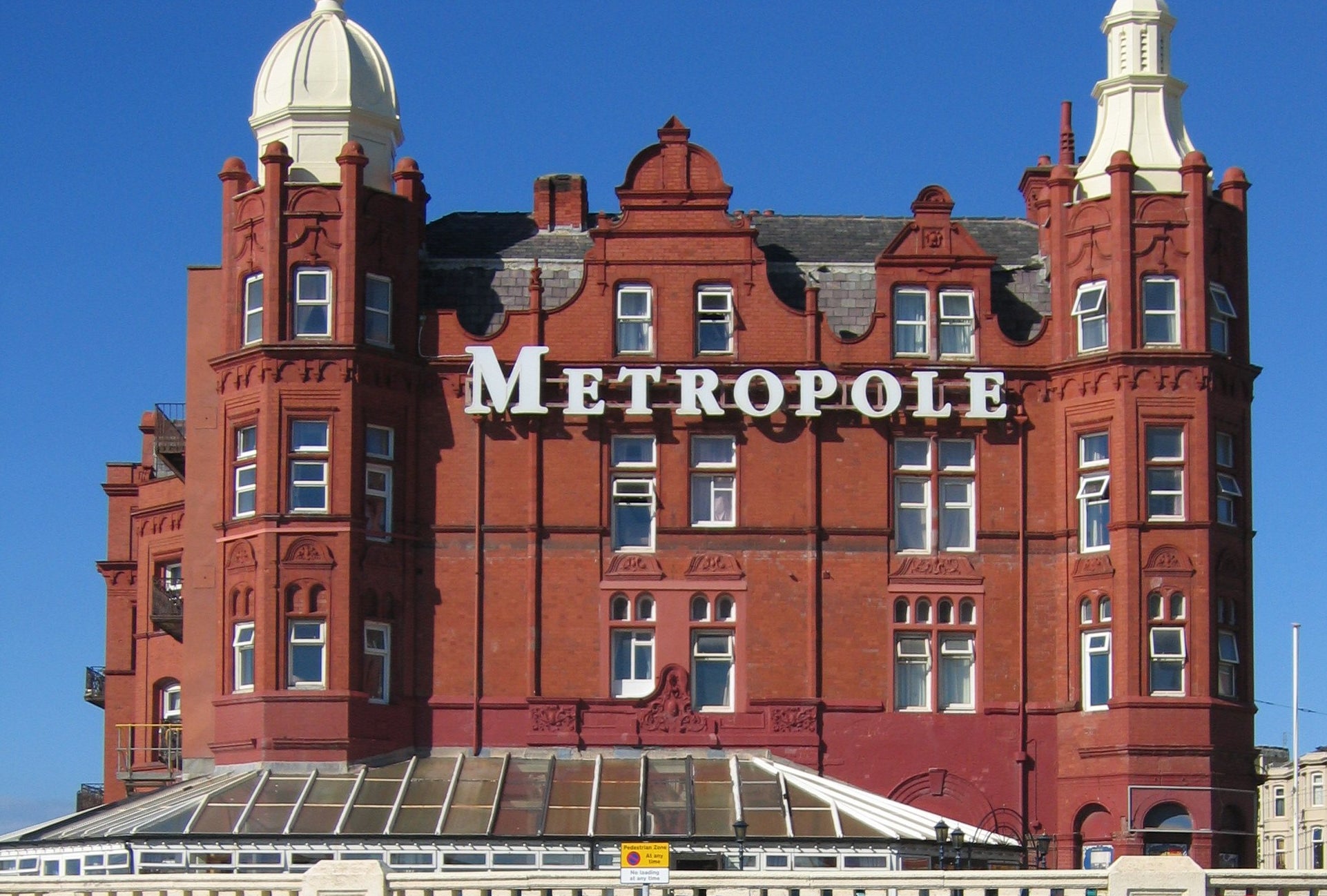
For years, commercial hotels in the centers of towns and cities—including landmark properties like Stratford-upon-Avon’s grade II-listed Grosvenor Hotel and the Grand Metropole Hotel on Blackpool Promenade—became flashpoints for local tension and soaring expenditures.
According to the Home Office, the closure of these 13 latest sites will:
- Save taxpayers £51 million
- Drive total active asylum hotels down to under 160 (a steep drop from a peak of nearly 400 under the previous Conservative government)
Immigration minister Anna Turley didn't mince words regarding the shift, stating, "For too long, communities have watched hotels at the centre of their towns and cities become symbols of a broken asylum system. We are turning that around."
The Flip Side: Moving to Military Sites
While the pivot away from hotels cuts costs and aims to quell community backlash, the replacement strategy comes with its own set of hurdles.
Ministers are currently eyeing former military bases in locations like Barnham (Suffolk), Bicester (Oxfordshire), and Linton-on-Ouse (North Yorkshire) to house roughly 3,750 asylum seekers. Plans are also underway to extend site usage at Crowborough and Wethersfield, despite pushback from local residents.
Human rights advocates argue that while hotels were far from ideal—often isolating refugees and acting as magnets for far-right protests—moving people into isolated military barracks is merely a band-aid.
Imran Hussain of the Refugee Council pointed out the root of the problem: "An approach that is focused on moving people from hotels to military sites will only go so far, especially when poor quality decision making by the Home Office is keeping a large number of people reliant on asylum support... for far longer than is necessary."
What Comes Next?
The political calculus here is clear: the government wants to neutralize a potent talking point for political opponents, ease local community friction, and demonstrate fiscal responsibility. But as the UK transitions from urban hotels to remote military sites, the debate over how to humanely and efficiently process asylum claims is far from over.
Stay tuned to WhyThisBuzz as we continue to track how these sweeping immigration reforms reshape local communities across the country.