Hold onto your digital wallets, because Thursday delivered a masterclass in market volatility, all thanks to a single social media post from a former U.S. President. Bitcoin, already reeling from a challenging week, took investors on a rapid-fire rollercoaster, proving once again that in the world of crypto, geopolitics isn't just background noise – it's the main event.
Geopolitical Jitters: How Trump's Iran Pause Shook Global Markets
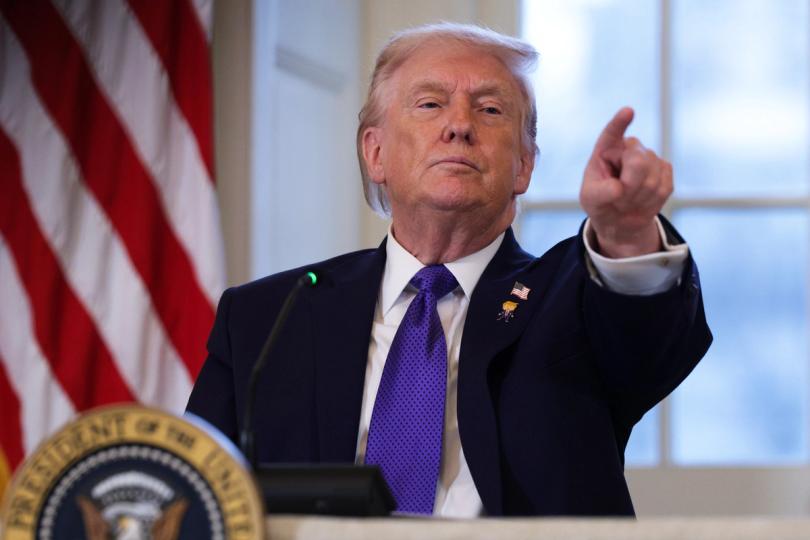
The catalyst? A Truth Social dispatch from Donald Trump. In a move that sent ripples through every major market, Trump announced a 10-day extension to a pause on attacks against Iran's energy infrastructure. His rationale? "Talks are ongoing," and apparently, "they are going very well."
This wasn't just another tweet. This was a direct signal of de-escalation in a tense geopolitical standoff, and markets ate it up. After a dismal Thursday morning saw Bitcoin slide by 3% and the tech-heavy Nasdaq shed 2.4% (now down 10% since January's peak, ouch!), Trump's words offered a much-needed breath of fresh air. The markets, prone to panic at the scent of instability, suddenly found a reason to stabilize.
Bitcoin's Volatile Day: Understanding Price Swings Amidst World Affairs
For Bitcoin, the news was a lifeline. From its session lows, BTC surged back by about 1%, clawing its way just above the $69,000 mark. It was a potent reminder that despite the narratives of decentralization and independence, the crypto market remains highly sensitive to global events, especially those that impact traditional financial sentiment and risk appetite.
The Unseen Crisis: Why Western Bond Yields Are Spiking & What It Means for Your Investments
But let's be clear: while Trump's tweet provided a temporary reprieve, it couldn't erase the deeper anxieties gripping the global economy. Beyond the headline-grabbing oil price surges linked to geopolitical hostilities, a far more troubling issue is brewing: the selloff in Western bond markets.
The U.S. 10-year Treasury yield, a critical benchmark for borrowing costs across the economy, has been on a relentless upward march. Just weeks ago, it was comfortably below 4%; on Thursday, it spiked to an alarming 4.43% before settling slightly. This isn't just a number on a screen; it's a flashing red light.
Federal Reserve Rate Hikes: The Looming Threat to Crypto and Beyond
Why does this matter? Because a sharp rise in bond yields signals a dramatic shift in central bank expectations. Not only have hopes for Federal Reserve interest rate cuts all but vanished, but the market is now making serious bets that the U.S. central bank will soon be forced to hike rates again. Similar tremors are rattling bond markets and central bank forecasts across Western Europe. Higher interest rates typically mean less liquidity, higher borrowing costs for businesses and consumers, and a less attractive environment for risk assets like cryptocurrencies.
Beyond Bitcoin: How Altcoins Reacted to Shifting Global Sentiments
Bitcoin wasn't alone in its immediate rebound. Other major cryptocurrencies, including Ether (ETH), XRP (XRP), Solana (SOL), and ADA, also clawed back from their session lows. However, the overall picture remained cautious, with most still down 3%-5% over the past 24 hours. This collective reaction underscores the "flight to safety" or "risk-on" sentiment that often dictates broader crypto market movements, irrespective of individual project fundamentals.
The Quiet Revolution: Stablecoins' Rise as Core Financial Infrastructure
While the market rollercoaster grabbed headlines, another, more profound shift is quietly underway. Stablecoins, those oft-misunderstood digital tokens pegged to fiat currencies, are entering their "institutionalization era." They're becoming increasingly embedded into the very fabric of core financial infrastructure. With institutions prioritizing transparency and compliance, regulated issuers like USDC, RLUSD (which impressively surpassed $1B market cap in its first year), and PYUSD are steadily gaining market share. And guess who's leading this quiet revolution? North America, driven by progressive regulatory frameworks and robust institutional distribution. This isn't just about crypto; it's about the future of global finance.
Institutional Crypto Adoption: Is Bitcoin ETF Demand Cooling Off?
On the flip side, after a strong start to the month, institutional demand for Bitcoin ETFs appears to be cooling. While the introduction of these ETFs was a landmark moment for crypto adoption, the data suggests that institutional interest isn't a linear ascent. It ebbs and flows, influenced by broader market conditions, macroeconomic signals, and the ongoing saga of global events.
Why This Buzz: The Interconnected Web of Geopolitics, Macro, and Crypto
What does all this tell us? That the cryptocurrency market, far from existing in a vacuum, is deeply interwoven with global geopolitics, macroeconomic forces, and the ever-shifting sands of investor sentiment. A tweet from a former President, a spike in bond yields, the Federal Reserve's next move—these aren't just distant headlines. They are direct drivers of your digital asset's value. To truly understand why your portfolio is buzzing (or bleeding), you need to look beyond the charts and into the heart of global affairs. That's the real buzz.


