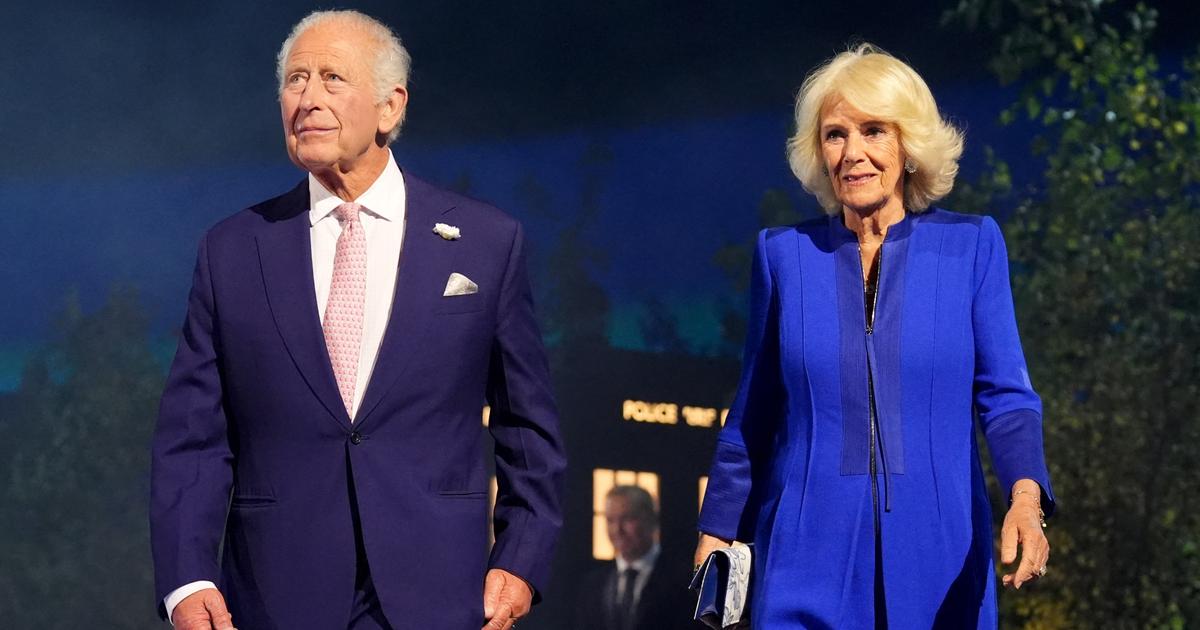
Why King Charles III & Queen Camilla Don't Always Live Together: A Modern Royal Secret Revealed
In a world obsessed with every move of the British Royal Family, it's easy to assume the monarchy operates on rigid, age-old traditions. But when it comes to the personal lives of King Charles III and Queen Camilla, sometimes the most surprising paths lead to the strongest unions. After two decades of marriage, the royal couple has unveiled an unconventional, yet highly effective, secret to their enduring bond: a strategic commitment to independent living.
Forget fairytale castles and constant togetherness. Charles and Camilla, despite their shared duties as the UK's most prominent royal couple, regularly spend weekends apart, each retreating to their own private havens. This isn't just a quirk; it's a deliberate choice that, according to royal insiders, has become the bedrock of their marital equilibrium.
The Unconventional Arrangement: Separate Residences for Royal Peace
The revelation, brought to light by royal journalist Rebecca English of the Daily Mail on the "Palace Confidential" podcast, highlights that the King, 77, and Queen, 79, lead "quite independent lives." This isn't a sign of strain, but rather a testament to their unique understanding and adaptation to the pressures of royal existence.
Here's the breakdown of their distinctive weekend routine:
- King Charles III's Retreat: The King often heads to Highgrove, his beloved country estate in Gloucestershire. Here, he can immerse himself in his passion for gardening and enjoy moments of quiet reflection, far from the intense spotlight.
- Queen Camilla's Sanctuary: Queen Camilla, meanwhile, frequently journeys to Ray Mill House, her personal property in Wiltshire. Acquired after her divorce from Andrew Parker Bowles in 1995, this home serves as her crucial escape.
This arrangement, while perhaps "a little strange" to the public eye, "works for them," English asserts. It's a pragmatic solution for a couple who spent significant portions of their lives living separately before their 2005 marriage.
Why This Independent Living Strategy Strengthens Their Royal Marriage
The question naturally arises: why would a reigning monarch and his Queen opt for such an unconventional setup? The answer lies in the profound need for personal space and the unique demands of their positions.
- Preserving Personal Space Amidst Public Life: Their professional lives are inextricably linked, demanding constant public appearances, unwavering protocol, and immense pressure. Having separate retreats allows them to decompress, pursue individual interests, and maintain their identities outside of their shared royal roles.
- A Habit Forged by History: As Rebecca English notes, they were "married for a long time, but they also lived separately for long periods of their lives, so it's something they're quite used to." This pre-existing comfort with independence has seamlessly translated into their royal life.
- Camilla's Familial Haven at Ray Mill House: Perhaps the most critical piece of this puzzle is Ray Mill House itself. Robert Hardman, a royal commentator, explains that this property is more than just a house for Camilla; it's a "family refuge." It allows her children and grandchildren to gather in a far more relaxed, protocol-free environment than any official royal residence. Imagine grandchildren "running around" in jeans, unburdened by royal etiquette. "When they're at grandma's, it's grandma's," Hardman summarizes, highlighting the precious freedom this space offers.
This ability to "breathe" and step away from the relentless scrutiny, even if only for a few days, seems to be a key ingredient in their marital success. After completing official engagements together, it's not uncommon for Charles and Camilla to share a kiss and then head in separate directions, only to reunite days later for their next royal duties.
The Modern Monarchy: Adapting for Endurance
Charles and Camilla's surprising secret isn't just a personal choice; it offers a glimpse into a modern monarchy adapting to survive and thrive in the 21st century. It challenges the romanticized image of constant royal togetherness, replacing it with a more pragmatic, psychologically sound approach to partnership under intense public pressure.
By embracing independence, the King and Queen are not weakening their bond but actively strengthening it, proving that even in the most traditional institutions, flexibility and understanding can lead to enduring love and leadership. It's a refreshing reminder that sometimes, the most solid foundations are built not on rigid adherence to tradition, but on a willingness to find what truly "works for them."


