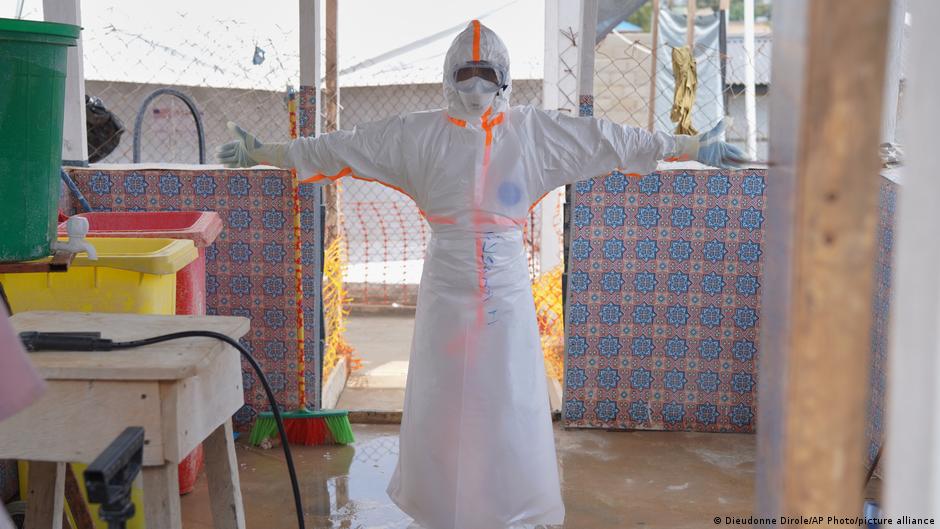
The Democratic Republic of Congo (DRC) is currently grappling with a public health emergency of terrifying proportions. Health authorities have confirmed that an outbreak of the rare and virulent Bundibugyo strain of the Ebola virus has claimed over 2,000 lives since the first case was identified.
With more than 4,380 recorded infections, experts are sounding the alarm. Sania Nishtar of the Gavi global vaccine alliance has issued a chilling warning: this could fast become "the largest outbreak ever."
Why This Matters Now
While the DRC is unfortunately no stranger to Ebola—this is its 17th recorded outbreak—the speed and lethality of the current wave are rewriting the rules of containment.
- Accelerating Death Toll: While it took nine weeks to hit the grim milestone of 1,000 deaths, that number doubled in just three short weeks.
- Higher Mortality Rate: The current case fatality rate stands at a staggering 45.9%, outpacing the notorious 2014–2016 West African outbreak.
- The Treatment Gap: While vaccines exist for other strains of Ebola, no approved vaccines currently exist for the specific Bundibugyo strain tearing through the region.
Chasing a Moving Target
Containment efforts are facing unprecedented roadblocks. Beyond the biological challenges of a rapidly spreading pathogen, health workers are battling a volatile security landscape. Rebel violence, deteriorating infrastructure, poor healthcare funding, and mass strikes have severely hampered contact-tracing efforts.
According to the World Health Organization (WHO), authorities are fundamentally "chasing the virus… the virus is ahead of us." Researchers have fallen dangerously short of the WHO’s target to track 95% of potential patient contacts.
Is There Hope on the Horizon?
Global health organizations are scrambling to adapt. Clinical trials for two antiviral treatments have been underway since July, and the WHO recently recommended pushing forward with a full-scale human trial of the Ervebo vaccine.
Though Ervebo was designed for the Zaire strain, officials hope it might offer cross-protection against the current mutant pathogen. Gavi has already mobilized 500,000 doses from its stockpiles for the trial.
While DRC Health Minister Samuel Roger Kamba remains optimistic that the spread can be brought under control within the next three months, the immediate reality remains stark. As movement restrictions tighten and local populations face displacement, the global health community must act decisively before this localized tragedy transforms into a wider international catastrophe.


