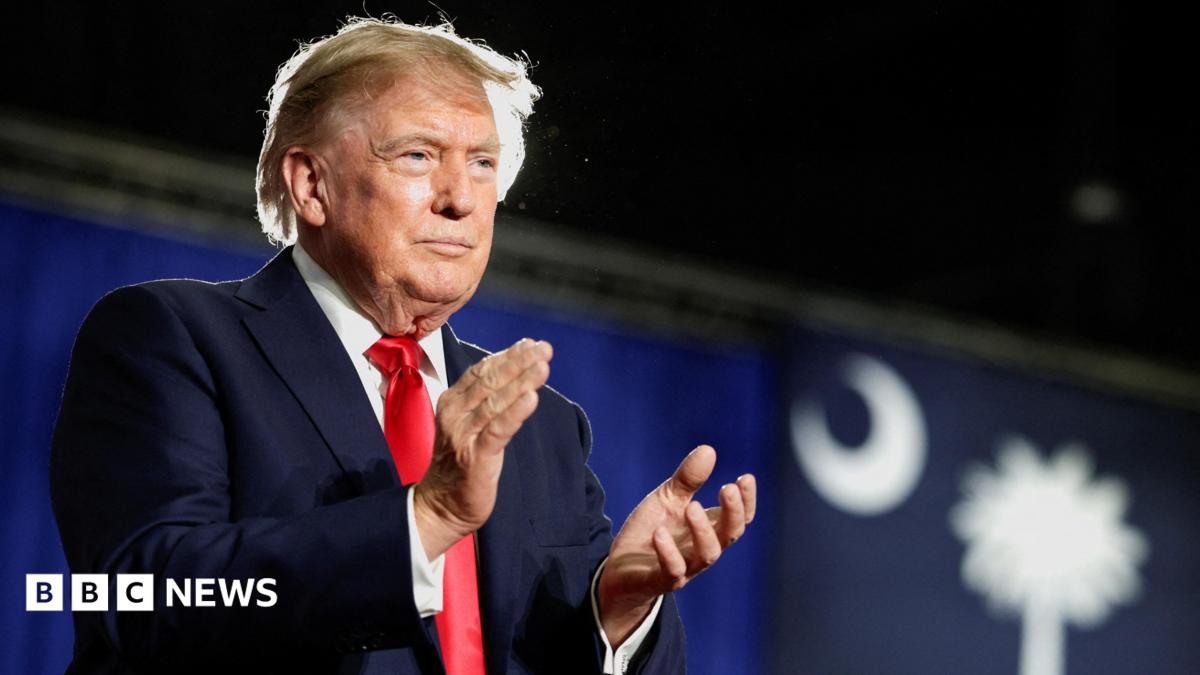
Relations between the US and Canada have hit a historic low after trade negotiations abruptly collapsed, triggering a multi-billion-dollar tariff battle. Following the breakdown, US President Donald Trump claimed Canada wants “the benefits of being a State, without being one,” once again raising his controversial suggestion of making Canada America’s “51st state.”
In response, Canadian Prime Minister Mark Carney declared the two nations are officially in a trade “war,” accusing the US of launching an economic attack.
What Happened
The breakdown of talks immediately triggered a new 50% US tariff on a targeted range of Canadian imports, valued at approximately $20 billion (roughly 5% of Canada's total exports to the US). The new duties target products including:
- Wine and dairy
- Cement and steel
- Clothing and hockey equipment
Prime Minister Carney announced that Canada will retaliate "dollar-for-dollar" starting September 8, matching the US levies. "We cannot accept what they've offered, and we will not give what they've asked," Carney stated, calling the US tariffs a "miscalculation" designed to divide Canadians.
Inside the "51st State" Dispute
Trump’s rhetoric about Canada becoming the "51st state" has sparked outrage among Canadian leaders. British Columbia Premier David Eby warned that accepting Washington's strict trade terms—which included curbing Canada's ability to sign independent trade deals with other nations—would reduce Canada to "the economic equivalent of the 51st state."
Ontario Premier Doug Ford threw his support behind Carney, stating that Trump "can't be trusted." Meanwhile, opposition leaders and provincial premiers have largely formed a united front in Ottawa, though Alberta Premier Danielle Smith has urged both sides to return to the negotiating table to prevent severe job losses.
The Blame Game
The collapse followed a year of intense, on-again, off-again talks. Both sides blame the other for the sudden breakdown:
- The Canadian View: Carney accused US negotiators of demanding "unfair" and "uneconomic" last-minute changes.
- The US View: US officials accused Canada of making new demands and walking back previously agreed terms.
US Trade Representative Jamieson Greer confirmed that the US currently has "no plans" to resume negotiations.
What's Next for Trade
This dispute threatens the United States-Mexico-Canada Agreement (USMCA), a $1.6 trillion trilateral deal signed during Trump's first term. Canada and Mexico recently requested a 16-year extension of the pact, which the US declined to sign in its current form.
With a September 8 deadline looming for Canada's retaliatory tariffs, businesses on both sides of the border are bracing for supply chain disruptions and rising consumer costs.


