Germany's shift to electric vehicles is underway, but the combustion engine is far from dead. Out of 49 million passenger cars currently on German roads, only about 2.4 million are fully electric. That leaves roughly 47 million internal combustion vehicles that will require liquid fuel for years to come.
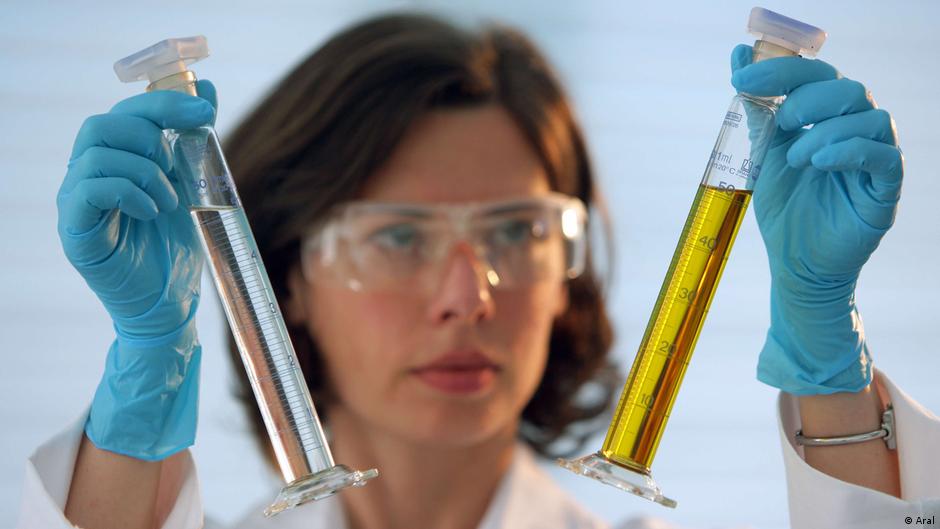
To address this massive fleet, German market leader Aral—a subsidiary of BP—is quietly doubling down on liquid fuel optimization at its historic 100-year-old research facility in Bochum.
The 5-Year Quest for Better Fuel
Developing a cleaner, more efficient fuel is a grueling process. At Aral’s 27,000-square-meter facility in Bochum, a team of 80 chemists, engineers, and technicians works under project leader Dr. Wenzel Strojek.
Strojek notes that bringing a new fuel from concept to the pump takes about five years:
- The Blueprint: Researchers use simulations and modeling to test complex chemical compositions.
- The Mini-Refinery: A specialized pilot plant produces just five liters of the experimental fuel per day.
- Extreme Stress Tests: The fuel is tested in real engines inside climate chambers, enduring temperatures ranging from over 40°C to deep sub-zero environments.
One recent breakthrough is their Ultimate Diesel, which incorporates at least 15% renewable components derived from waste materials like used cooking oil and forestry residues. According to Aral, this formulation slashes CO2 emissions by 12% while boosting driving range by an average of 60 kilometers per tank.
Why E-Fuels Aren't a Quick Fix
While synthetic and biological fuels offer a path to greener driving, scaling them is a massive logistical challenge. Germany currently consumes around 50 million tons of fossil fuels annually across road transport and aviation.
According to Andreas Menne from the Fraunhofer Institute (UMSICHT), replacing this volume entirely with sustainable synthetic fuels would require:
- 180 million tons of captured CO2.
- 25 million tons of hydrogen.
- 1,500 Terawatt-hours (TWh) of renewable electricity.
Because of these steep resource demands, experts agree that fossil fuels will remain necessary for the foreseeable future. Consequently, incremental efficiency gains achieved in R&D labs remain the most practical tool for cutting emissions in the medium term.