Nearly three decades after the world lost one of the most influential artists in hip-hop history, the legal battle to bring his killers to justice is finally underway. Opening statements kicked off Monday in the high-profile trial of Duane "Keffe D" Davis, the 63-year-old man accused of orchestrating the fatal drive-by shooting of Tupac Shakur in Las Vegas on September 7, 1996.
The courtroom drama marks a monumental moment for a case that has captivated and haunted the music world for nearly 30 years.
Inside the Prosecution's Opening Case
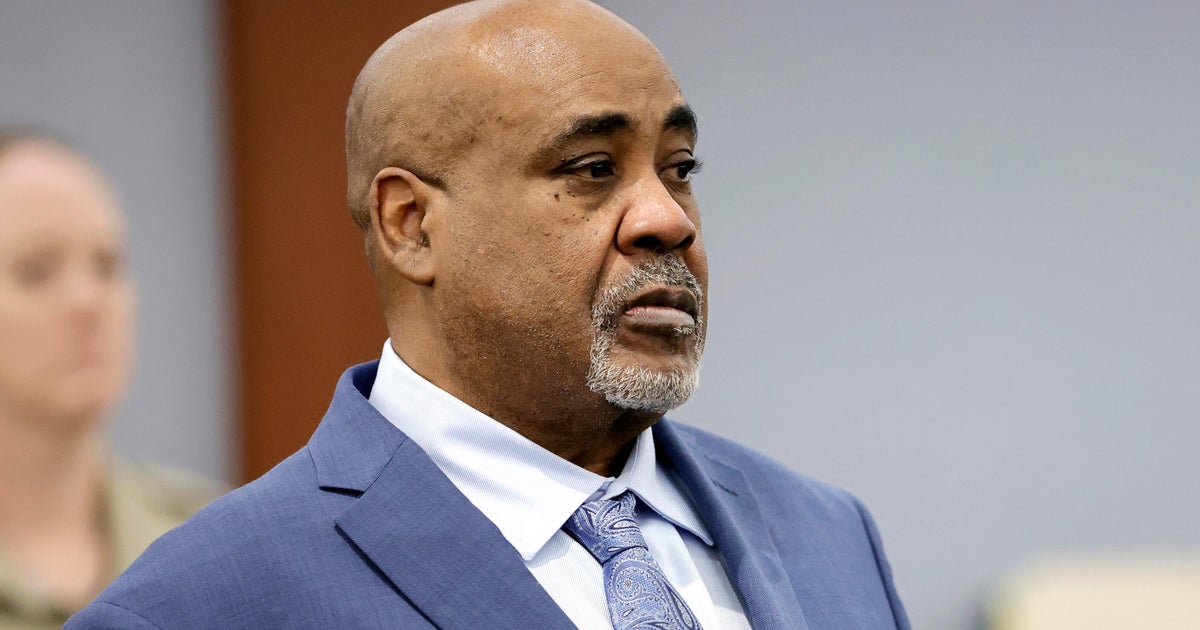
Entering the courtroom in a blue suit and tie, Davis sat beside his defense attorney, Michael Sanft, as a newly sworn-in jury looked on. Members of Shakur’s family, including his stepbrother Maurice "Mopreme" Shakur, occupied the front row to bear witness to the proceedings.
Chief Deputy District Attorney Binu Palal wasted no time setting a dramatic stage for the jurors. Prosecutors argued that the deadly shooting was an act of brutal retaliation. Just hours before the fatal attack, Shakur and his entourage were caught on camera participating in a humiliating physical altercation with Davis's nephew, Orlando "Baby Lane" Anderson, following a Mike Tyson boxing match.
While the prosecution acknowledged that Davis did not pull the trigger himself, they asserted that he orchestrated the entire plot. According to Palal, Davis handed a weapon to someone in the backseat of a white Cadillac and ordered them to open fire on Shakur's vehicle.
"Let's be clear, Duane Davis did not pull the trigger. But he did plan the shooting in retaliation of the beating of his nephew," Palal told the court. "Remarkably, you will learn that from Duane Davis himself."
The Defense Strikes Back
Davis has pleaded not guilty to the charge of murder with a deadly weapon with the intent to promote, further, or assist a criminal gang. If convicted, he faces life behind bars.
The defense fired back immediately, dismissing the state's narrative as "fiction." Attorney Michael Sanft questioned why the Clark County District Attorney's office waited decades to bring charges, telling the jury that the prosecution lacked solid, corroborating facts after nearly 30 years.
Sanft heavily targeted the centerpiece of the state's evidence: Davis’s 2019 memoir, Compton Street Legend, and his past media interviews in which he discussed his role in the fatal night. The defense argued that the book was heavily sensationalized strictly for financial gain, questioning how much of it was actually written by Davis versus his co-author, Yusuf Jah.
Furthermore, the defense pointed to alleged flaws in the original police investigation, labeling aspects of past detective work as biased and incomplete.
A Community Still Seeking Closure
Despite passing away at just 25 years old, Tupac Shakur's legacy remains larger than life. From his Rock & Roll Hall of Fame induction to a posthumous star on the Hollywood Walk of Fame, his cultural footprint is timeless. Fans and industry veterans alike traveled from across the country to Las Vegas to show solidarity with the family as the trial began.
Over the coming weeks, prosecutors expect to call between 35 and 45 potential witnesses, while the defense plans to call a select few. As retired police officers, former detectives, and eyewitnesses take the stand, the trial promises to peel back decades of mystery surrounding one of American pop culture's greatest tragedies.
For Shakur's loved ones, the courtroom battle will undoubtedly be an emotional and retraumatizing road, but as Maurice Shakur affirmed: "We're gonna stand by Pac as we always have."