The recent 7.4-magnitude earthquake that violently shook Colombia has left an indelible scar on the nation, sparking an urgent humanitarian crisis alongside intense political debate over international rescue coordination.
A Staggering Toll on Communities
As the initial 7-hour critical window for finding survivors fades into memory, the official numbers paint a grim picture. The disaster has claimed at least 281 lives, left 3,824 injured, and registered 379 missing individuals. According to the latest updates released by the administration, over 102,000 people across 426 municipalities find themselves displaced or severely impacted.
Infrastructure damage is catastrophic. More than 120 buildings have completely collapsed, while tens of thousands of residential homes have suffered structural failures or total destruction. In hard-hit urban centers like Cali and Manizales, families continue to sleep in makeshift tents, terrified of aftershocks and waiting anxiously for structural evaluations.
The Race Against Time and Rubble
On the ground, rescue personnel are making agonizing choices. In Cali, officials have deliberately halted the use of heavy machinery on collapsed residential blocks, prioritizing manual search-and-rescue efforts to maximize the chances of finding anyone still trapped beneath the concrete.
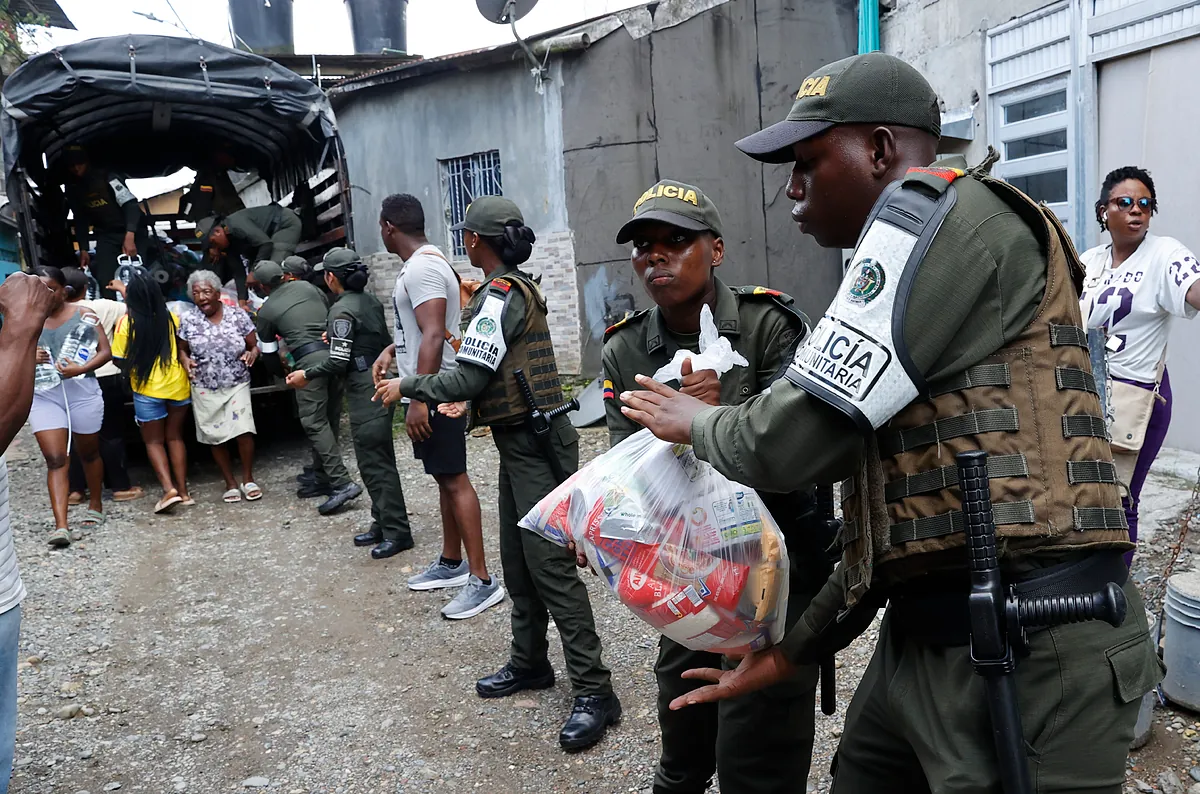
Meanwhile, aid distribution is slowly ramping up. Regions like Quibdó in the Chocó department—one of the nation's most economically vulnerable areas—received their first major influx of supplies this week, relying heavily on local solidarity networks while formal government assistance catches up.
Controversy Surrounds International Rescue Teams
As the nation looks outward for support, friction has emerged regarding foreign assistance. The decision by authorities to bar certain experienced military rescue contingents—such as a specialized brigade from Mexico, citing strict certification requirements—has raised eyebrows. While teams from the United States, Israel, El Salvador, and Ecuador were cleared, the exclusion sparked public debate over potential political filtering.
Colombian officials have strongly denied any ideological bias, pointing to the acceptance of substantial food, medical supplies, and civilian volunteer groups like the famed Topos Aztecas.
Looking Toward an Uncertain Reconstruction
With the emergency phase still very much active, the government has begun pivoting toward long-term recovery. Authorities have already initiated dialogues with private construction sectors and industry leaders to map out a massive rebuilding effort.
For thousands of displaced families who lost everything in a matter of seconds, however, corporate blueprints offer little immediate comfort. As censuses continue and aid trucks navigate damaged roadways, the immediate focus remains singular: shelter, safety, and a return to stability.


