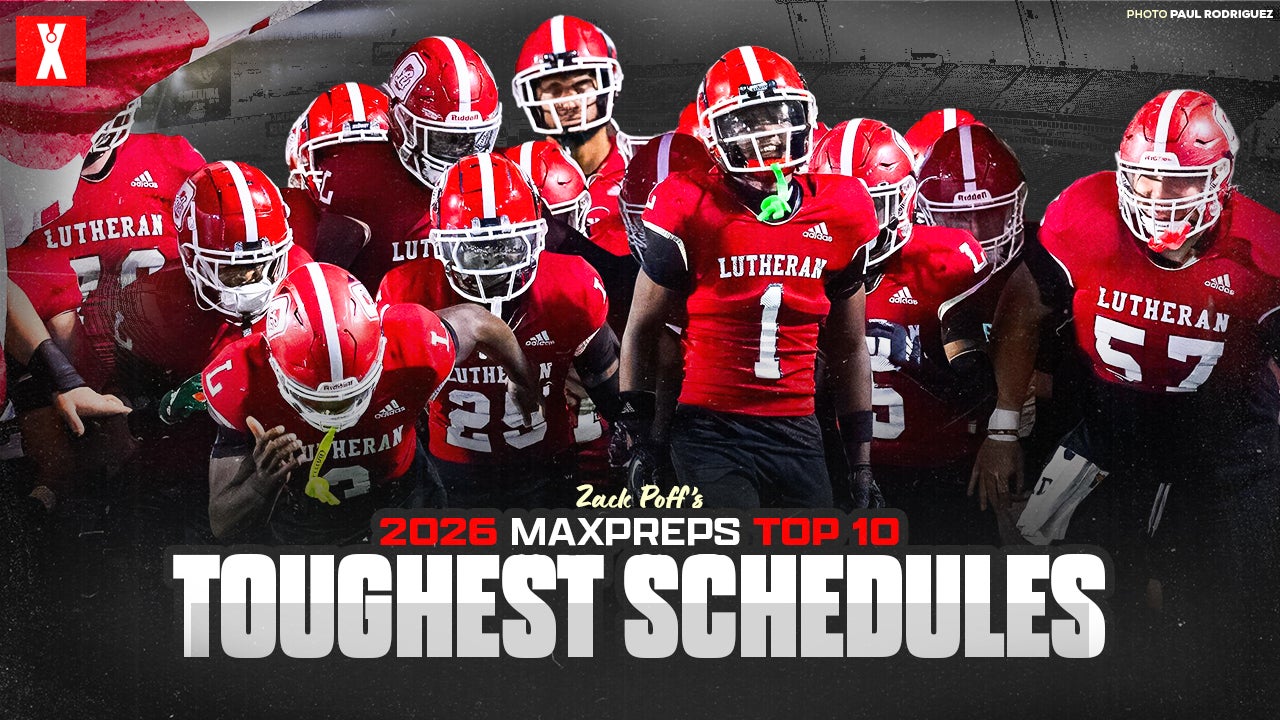
There was a time when high school sports coverage meant waiting for the local Thursday morning newspaper to see if your name made the box score. Fast forward to today, and teenage athletes are treated with the same analytical scrutiny, digital fanfares, and monetization models as professionals.
At the absolute center of this paradigm shift is MaxPreps.
What started in 2002 as a scrappy digital hub for California high school football has grown into an absolute juggernaut. Now owned by CBS Sports (Paramount), MaxPreps is the undisputed "LinkedIn meets ESPN" for teenage athletes. But as the platform trends yet again, it begs a larger question: How did a high school database become one of the most powerful gatekeepers in American sports, and why does its dominance matter so much right now?
The Evolution: From Digital Scrapbook to Scouting Bible
To understand MaxPreps' current grip on youth culture, you have to look at how it solved a massive logistical nightmare.
Before the internet, college coaches had to rely on physical videotapes, local scout hearsay, and expensive regional travel to find talent. MaxPreps democratized the process by creating a centralized, standardized repository for high school sports data.
Today, the platform tracks:
- Over 100,000 high schools across the United States.
- Data for more than 30 different sports.
- In-depth statistics, schedules, and national rankings generated by proprietary algorithms.
But MaxPreps didn't stop at being a digital record book. By integrating high-definition video highlights, professional photography, and state-by-state team rankings, it turned average high school matchups into highly watchable, national entertainment.
Why It Matters: The Hyper-Commercialization of the Teen Athlete
The rise of MaxPreps mirrors the explosion of the youth sports market—now estimated to be a $37.5 billion industry in the U.S. alone. Here is why the platform's dominance is reshaping more than just Friday night lights.
1. The Democratization of the College Scholarship
Historically, if you played for a small-town high school in a rural state, your chances of being spotted by a Division I scout were slim. MaxPreps changed the calculus. A verified, eye-popping stat line on MaxPreps, paired with a linked highlight reel, can get an athlete noticed by recruiters thousands of miles away without the athlete ever leaving their hometown. It has leveled the playing field for underrepresented talent.
2. The High-Stakes World of NIL (Name, Image, and Likeness)
With high school athletes in several states now legally allowed to sign lucrative NIL deals, the pressure to build a personal brand starts earlier than ever. MaxPreps serves as the launchpad. A high ranking on a MaxPreps leaderboard directly translates to social media followers, which in turn translates to thousands of dollars in brand sponsorships before these kids even step foot on a college campus.
3. The Digital Footprint (And the Pressure That Comes With It)
While the platform offers unprecedented exposure, it also introduces professional-level pressure to minors. Every dropped pass, every missed free throw, and every bad game is digitized, archived, and analyzed by the public. The boundary between a teenager playing a game for fun and a brand-managed influencer has completely blurred.
The Big Picture
MaxPreps is no longer just a utility; it is the infrastructure supporting the pre-professional sports pipeline. By turning youth athletics into a highly visible, data-driven spectacle, it has bridged the gap between local communities and national sports media.
For parents, it’s a pathway to potential college funding. For college coaches, it's an indispensable database. For the athletes, it is their first taste of the big leagues. Whether this hyper-exposure is entirely healthy for teenage development remains a fierce topic of debate—but one thing is certain: the era of the quiet local hero is officially over.

