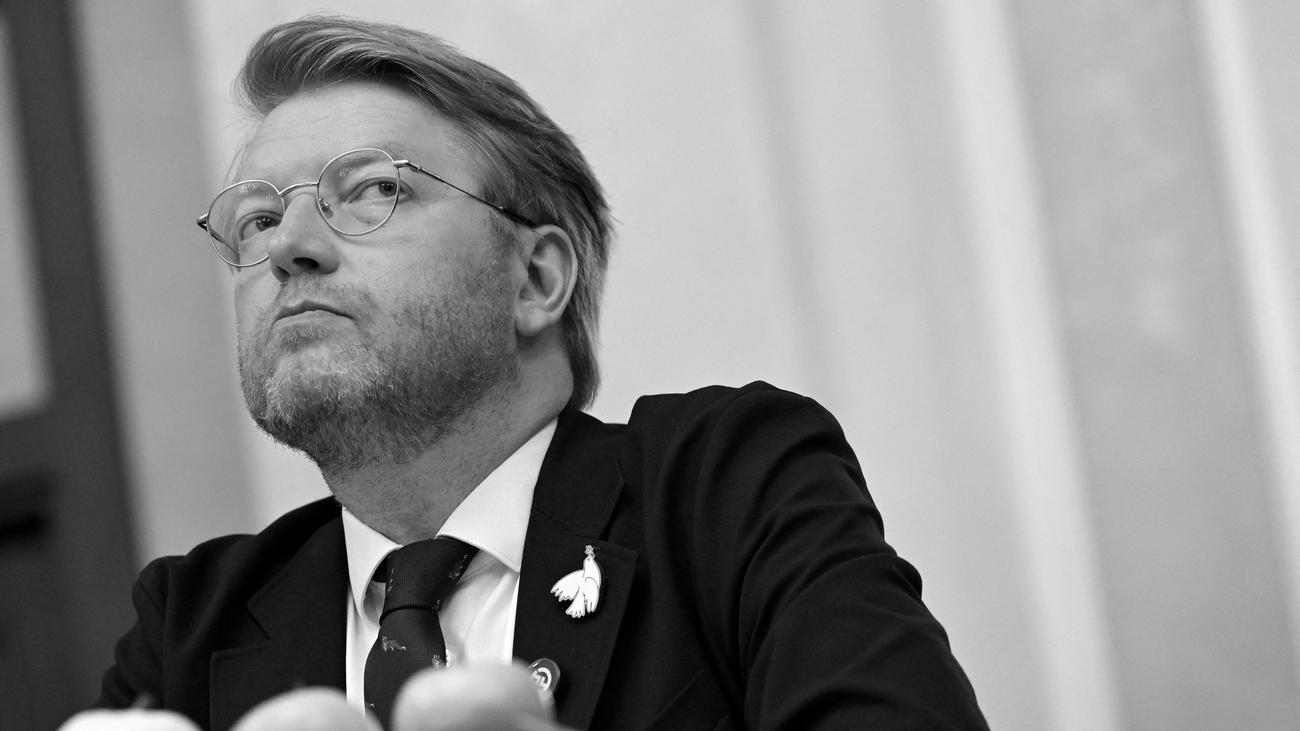
Russia’s transition into a complete political echo chamber is officially complete.
In a move that surprises no one but cements a grim reality, Russia’s Supreme Court has banned the liberal opposition party Jabloko from running in the upcoming September parliamentary elections.
By outlawing the last remaining political group openly campaigning against Vladimir Putin and the war in Ukraine, the Kremlin has sent a clear message: even the illusion of choice is now too dangerous to tolerate.
The Setup: A Proxy Strike
Jabloko’s campaign was built on a dangerously simple slogan: "For Peace and Freedom." In today’s Russia, calling for peace is practically a criminal offense.
The mechanism of the ban was a classic piece of Russian political theater:
- The Puppet: Rodina, a fiercely pro-Kremlin, nationalist proxy party, filed the lawsuit.
- The Allegations: Rodina accused Jabloko of violating election laws and receiving "foreign funding"—the standard legal weapon used by the Kremlin to silence critics.
- The Verdict: The Supreme Court swiftly agreed, removing Jabloko from the ballot just weeks before voters head to the polls.
Jabloko’s leader, Nikolai Rybakow, has vehemently denied the charges and promised an appeal. But in a judicial system completely controlled by the state, the appeal is nothing more than a formality.
Why This Matters
For years, the Kremlin allowed small opposition parties like Jabloko to exist in a highly controlled sandbox. It gave Russia’s pseudo-democracy a veneer of legitimacy.
By crushing Jabloko now, Putin is signaling a new phase of domestic paranoia. With the war in Ukraine grinding on, the regime cannot risk even a symbolic protest vote. Removing Jabloko from the ballot doesn't just silence a party; it disenfranchises millions of Russians who hoped to use the ballot box to say no to the war.
Global Aftershocks: Justice in Syria, Disaster in Colombia
While Russia tightens its authoritarian grip, the rest of the world is facing historic shifts and humanitarian crises.
Assad Sentenced to Death
In a historic and symbolic ruling, a Syrian court has sentenced former dictator Bashar al-Assad to death in absentia.
- Assad, who has lived in Russian exile since his regime fell at the end of 2024, was found guilty of war crimes and crimes against humanity.
- His former security chief, Atef Najib—who was arrested in early 2025—received the same sentence.
While Assad is highly unlikely to face the gallows while protected by Moscow, the verdict is a monumental step toward holding one of the 21st century's most brutal regimes accountable.
Colombia’s Deadly 7.4 Earthquake
On the humanitarian front, Colombia is reeling from a catastrophic 7.4 magnitude earthquake.
- The Toll: Over 160 people are confirmed dead, and more than 2,000 remain missing.
- The Epicenter: The disaster hit the hard-to-reach Chocó region, leaving many remote villages accessible only by boat or plane.
- The Response: President Abelardo de la Espriella has declared a national state of emergency, rallying global aid from the UN and the EU as rescue teams race against time.
The Buzz Takeaway
From the courtroom drama in Damascus to the silenced ballots in Moscow, the geopolitical landscape is shifting beneath our feet. Authoritarian regimes are building higher walls to protect themselves, but as the historic sentencing of Assad shows, the arc of justice is long—even if, in Russia's case, it currently feels entirely out of reach.


