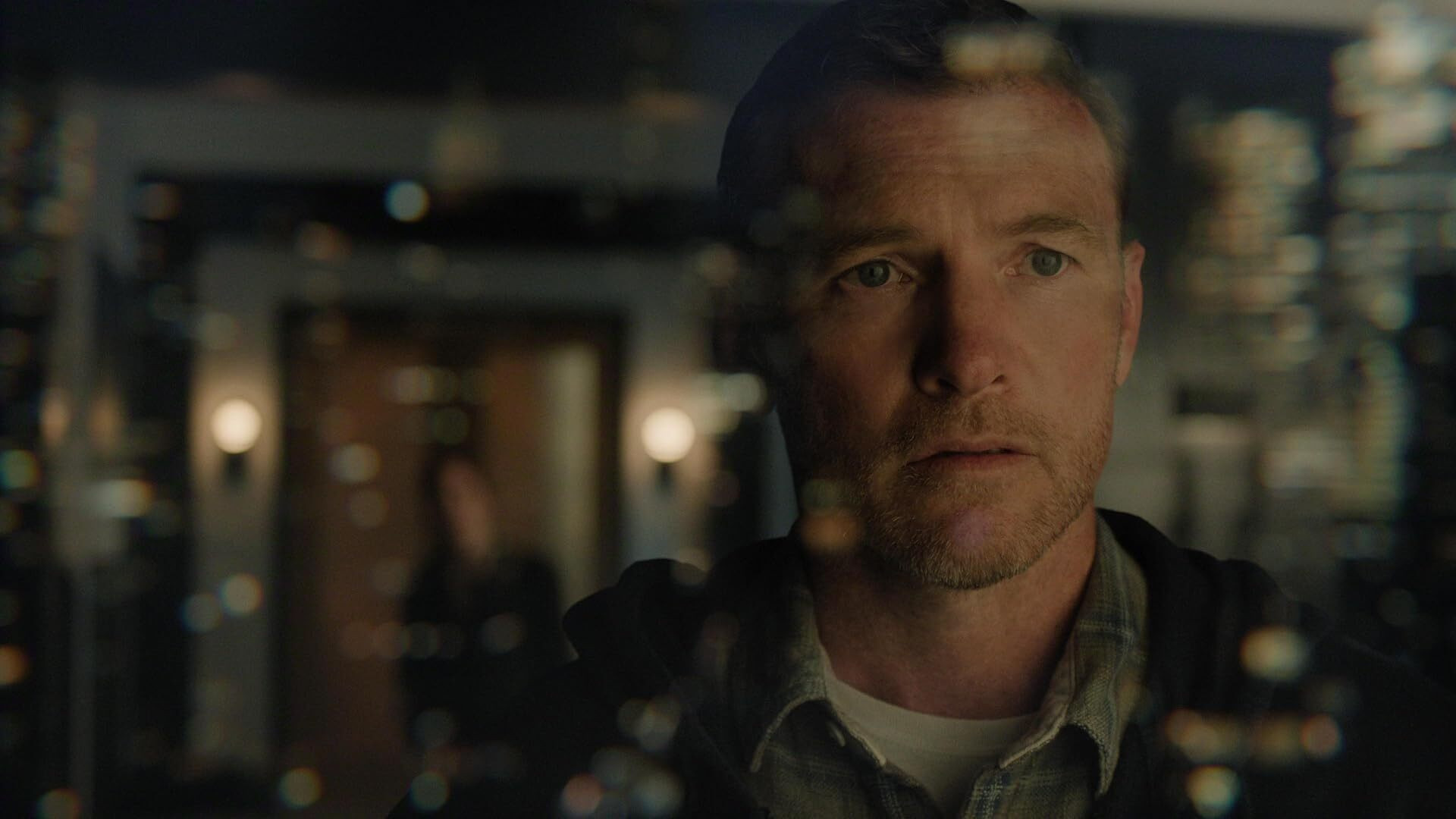
Zendaya & Robert Pattinson's 'The Drama' Ignites Fiery Debate Over Controversial Plot
A24, the studio synonymous with groundbreaking, often challenging cinema, is once again at the epicenter of a cultural storm. Its latest offering, simply titled The Drama, features two of Hollywood's biggest stars – Zendaya and Robert Pattinson – in what's being billed as a "dark romantic comedy." But forget the meet-cutes and witty banter; this film’s central premise is proving to be less romantic and more intensely divisive, sparking outrage before it has even reached wide audiences.
Why are people already up in arms? It boils down to a plot twist so audacious, it forces us to grapple with the very ethics of entertainment.
Unpacking the Plot of 'The Drama': Why Is This Zendaya & Pattinson Film So Controversial?
Directed by Norwegian filmmaker Kristoffer Borgli, The Drama centers on a couple, played by Zendaya and Pattinson, whose impending wedding is thrown into jeopardy by a shocking confession. During a parlor game with friends where they reveal "the worst thing you’ve ever done," Zendaya’s character discloses a chilling secret: she once planned a school shooting, only to back out at the last moment.
Yes, you read that right. A dark romantic comedy hinges on a protagonist admitting to planning a mass casualty event. The juxtaposition is jarring, to say the least, and it’s precisely this narrative gambit that has thrust The Drama into a blazing spotlight of ethical debate.
The Human Cost: A Columbine Victim's Father Slams Film's 'Awful' Premise and Zendaya's Response
For some, the film’s premise isn't just a bold artistic choice; it's a profoundly disrespectful one. Tom Mauser, whose son Daniel was tragically killed in the 1999 Columbine High School massacre, has publicly condemned the film, calling its leveraging of such a sensitive topic for a romantic comedy "awful." Mauser, a tireless advocate for gun reform, voiced deep concern that by casting a beloved star like Zendaya in such a role, the film risks "humanizing" and "normalizing" the perpetrators of school violence – even if her character ultimately pulls back from the act.
The controversy was further fueled by Zendaya's recent appearance on the Jimmy Kimmel show, where she addressed questions about the film's genre-bending nature. Zendaya described the film as a mosaic of genres, a blend of romantic comedy and drama that leaves audiences with "so many conversations" after viewing. While acknowledging the film's complexity, her comments didn't seem to assuage critics like Mauser, who feels the seriousness of the subject matter is being undermined.
The Ethical Minefield: When Does Art Become Exploitation in Cinema?
The Drama forces Hollywood and audiences alike to confront a deeply uncomfortable question: Where do we draw the line between artistic freedom and ethical responsibility, especially when tackling real-world trauma?
Cinema has, of course, explored school shootings before. Gus Van Sant’s Elephant (2003) won the Palme d’Or for its somber, fictionalized take inspired by Columbine, and Michael Moore’s documentary Bowling for Columbine earned an Oscar for its critical examination of the massacre's context. More recently, All the Empty Rooms, a short documentary about bedrooms left by child victims, won an Academy Award.
What makes The Drama distinct, and perhaps more contentious, is its genre. Can a "dark romantic comedy" truly explore the nuanced pain and terror associated with school shootings without trivializing the lived experience of victims and their families? The inclusion of a planned shooting as a plot device for character development, especially in a rom-com framework, is the crux of the moral dilemma. It challenges whether some subjects are simply too sacred, too raw, to be fodder for even the darkest of comedic takes.
What's Next for 'The Drama'? Release Strategy and Anticipated Public Reception
A24, known for its strategic and often minimalist marketing, has kept The Drama under wraps, conducting limited, early screenings for critics with a strict embargo on reviews until March 31st. While initial critical buzz from these exclusive viewings has been largely positive, the public's reaction remains to be seen.
The studio's cautious approach suggests an awareness of the film’s potential to polarize. As The Drama prepares for its wider release, it’s poised to ignite conversations that extend far beyond its cinematic merits – delving into the very responsibilities filmmakers hold to their audiences, and to the raw, painful realities that inspire their art.
Will The Drama manage to navigate this ethical tightrope, or will its audacious premise alienate the very audience it aims to provoke? Only time, and a broader public viewing, will tell.