Uncorking History: Why George Washington's Beer Still Matters Today
Imagine sipping a drink crafted by the very hands of the man who would become America's first president. No, we're not talking about some obscure historical cocktail. We're talking about George Washington's 1757 beer recipe, a tangible link to colonial life that has been meticulously re-brewed by the New York Public Library (NYPL) and Brooklyn's Talea Brewery. It’s more than just a historical curiosity; it’s a potent reminder of the ingenuity and challenges faced by early Americans.
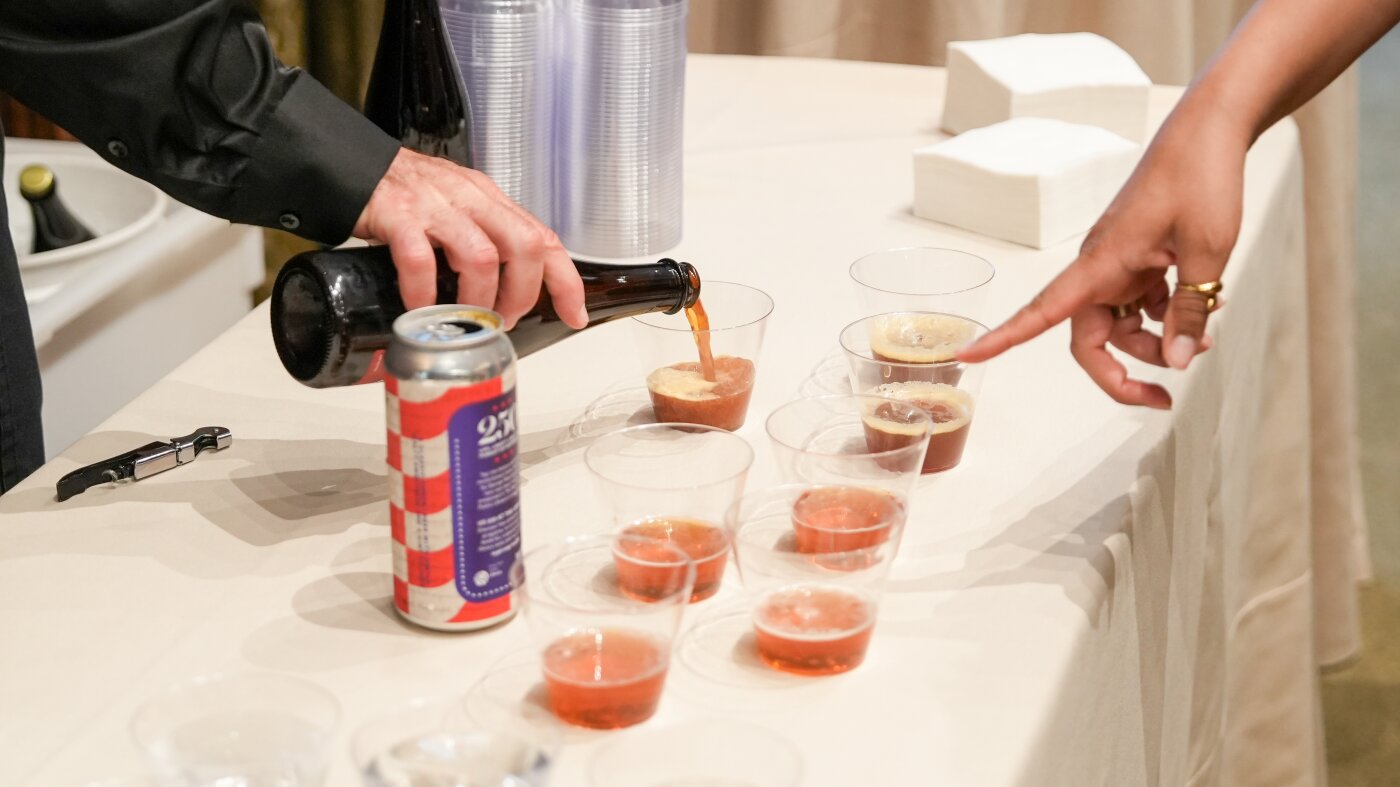
What's the buzz? Two NPR journalists got an exclusive, early-morning tasting at the NYPL, proving that some history lessons are best experienced with a glass in hand. This isn't just about what Washington drank; it's about why he drank it, and what it tells us about the nascent nation.
The Essential Brew: What Was George Washington's "Small Beer" During Wartime?
Back in 1757, a young Colonel Washington penned this recipe in his notebook amidst the French and Indian War. This wasn't for leisure. This was about survival. Historian Julie Golia, director of the NYPL's 42nd Street research library, explains that Washington's concoction was a "small beer"—named for its exceptionally low alcohol content, typically 1% to 3%.
Why did Washington and his troops rely on small beer? The answer is stark: lack of clean drinking water. Before modern sanitation, contaminated water was a death sentence. Dysentery could wipe out an army faster than any enemy bullet. Small beer offered a safer alternative. Brewing involved boiling water, killing pathogens, and the low alcohol content made it safe for everyone – men, women, and even children – to consume daily. It was less a recreational beverage and more a vital health supplement, a necessity for a functioning society and army. This is the critical context that elevates Washington's recipe from a simple drink to a fascinating piece of social and military history.
From Ancient Manuscript to Modern Pint: How the NYPL Revived a Colonial Recipe
To commemorate America 250, the NYPL sought to bring this piece of the past to life. They partnered with local brewery Talea to produce a limited run of the original brew. This isn't hitting commercial shelves; it's a special library-only batch, a direct portal to 18th-century taste buds. However, for those eager to experience a piece of this liquid history, Talea will be selling a more contemporary, molasses-free version called Liberty Lager at their taprooms.
Talea brewmaster Eric Brown took on the challenge, painstakingly following Washington's original notes. The ingredients are surprisingly simple: water, hops, yeast, and – crucially – a lot of molasses.
Tasting History: What Does George Washington's Original Beer Actually Taste Like?
The NPR tasters described the original brew as a dark amber, cloudy and unfiltered, much like an Irish red ale. Served at room temperature, its flavor profile was anything but simple. The molasses shines through, creating notes of woody undertones, burnt sugar, and a characteristic "cookie spice." One taster noted a surprising complexity, shifting in the mouth "more like wine" than a typical beer. It was described as "funky," "mineral-like," and surprisingly enjoyable, particularly for those who appreciate amber lagers or even darker spirits.
Comparing it to Talea's modern "Liberty Lager," which omits the molasses for a lighter, more "drinkable" profile, the original brew stood out. The contemporary version might be easier on the palate for modern tastes, but it's the "OG recipe" with its intense, historical funk that truly captivated the tasters. This direct contrast highlights just how much tastes and brewing methods have evolved over centuries.
Brew Your Own Revolution: How to Make George Washington's Beer at Home
Intrigued? The good news is you don't need a time machine to taste Washington's 1757 beer. The original recipe is part of the New York Public Library's collection and is available on their website for intrepid homebrewers.
However, a word to the wise from Brewmaster Eric Brown:
- Use baking molasses for authenticity.
- Source pure yeast from a reputable brewery supply store.
- Maintain impeccable cleanliness throughout the process – a crucial lesson Washington's army learned the hard way!
This unique historical endeavor isn't just about a beverage; it's about connecting with the past on a personal, sensory level. It's a reminder that even the simplest details of daily life, like what our founders drank, can offer profound insights into the monumental challenges they overcame to build a nation. Cheers to that!


