Scotland's Childcare Revolution: Decoding the £500 Million Pledge
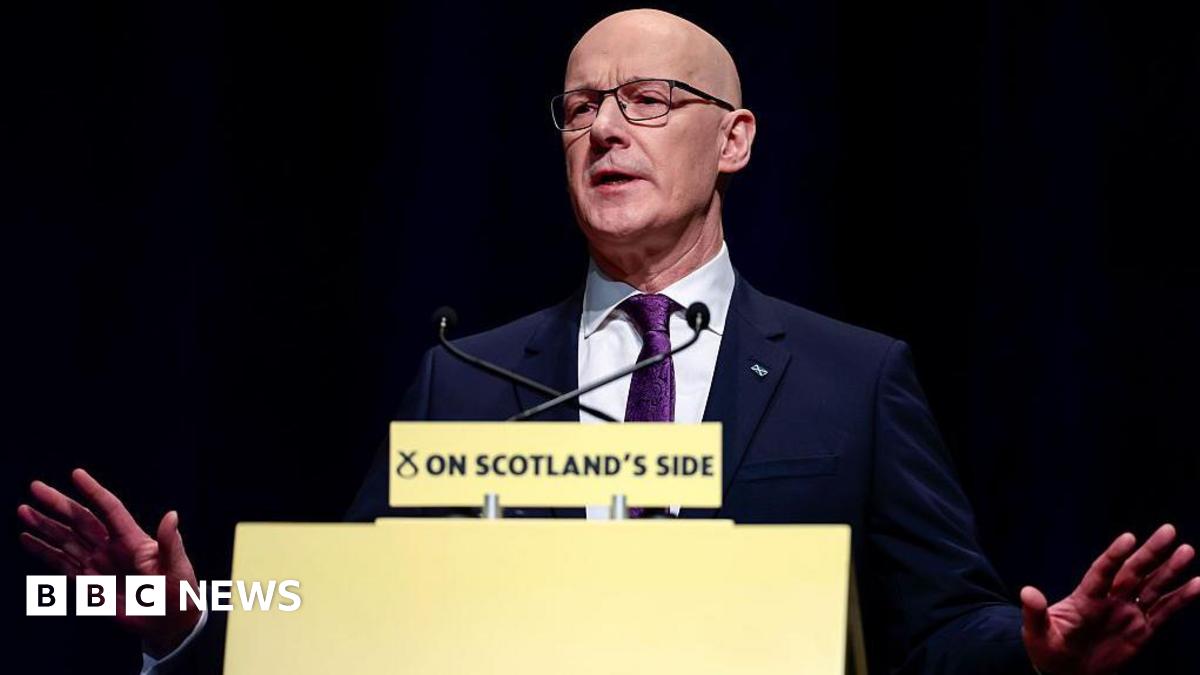
In a high-stakes pre-election pitch, Scottish First Minister John Swinney has unfurled a monumental promise: a £500 million investment aimed at transforming childcare across the nation. Speaking at the SNP's spring conference in Edinburgh, Swinney pledged to extend childcare provision for every child in Scotland, from the tender age of nine months right through to the end of primary school.
This isn't just about more hours; it's a comprehensive restructuring. Swinney highlighted a 52-week-a-year service, directly addressing the pain points of working parents. For many, the current system is a logistical nightmare, forcing families to "fit around the system." The SNP's proposed "brand-new childcare system" promises to flip that script, offering flexibility and crucially, continuity through school holidays – a common cause of stress and expense for parents.
What Does the Expanded Childcare Mean for Scottish Families?
The financial implications for households could be significant, with Swinney suggesting families could benefit from £1,400 up to a staggering £11,000 annually, depending on their needs. This isn't just a social policy; it's an economic play, designed to ease the burden on household budgets and potentially boost workforce participation by freeing parents from the constant juggle. For the SNP, it’s a clear bid to win hearts and minds by tackling one of the most pressing everyday concerns for Scottish families.
Beyond the Cradle: Healthcare and Urban Revival in Swinney's Vision
While childcare dominated the headlines, Swinney's conference speech cast a wider net, detailing commitments to healthcare access and urban recovery.
Doubling Down on Health: How Swinney Plans to Tackle GP Appointment Woes
Recognising the persistent frustration with GP access, Swinney pledged to double the number of planned GP walk-in clinics, taking the total from 15 to 30 across Scotland. This move is a direct response to the infamous 8 AM appointment rush, aiming to provide easier, more immediate access to medical advice in communities like Angus, Livingston, Paisley, Inverness, Glasgow, and Edinburgh. It’s a tangible promise that addresses a common public grievance and could significantly impact daily life for many.
Rebuilding Glasgow: Swinney's Post-Fire Recovery Commitment
In a gesture of solidarity and practical support, the First Minister also committed a significant package to Glasgow following the devastating Union Street fire. The Scottish government will underwrite the £1 million cost of clearing the fire site, ensuring that Glasgow’s public services budget remains untouched. Furthermore, a £10 million recovery fund will be established to support the council, businesses, and agencies in the massive task of "rebuilding and renewing that vital part of the city." This move is more than just financial aid; it's a powerful statement of government backing for Scotland's largest city in a moment of crisis.
Election Battleground: Affordability and Independence in the SNP's Vision
These pledges aren't made in a vacuum. Swinney's speech was the SNP's final conference before the crucial May election, a clear attempt to define the party's platform for the next five years. The promises of expanded childcare, bolstered GP services, and urban recovery are powerful electoral tools, designed to appeal directly to the daily concerns of Scottish voters.
However, the ambitious nature of these policies immediately raises questions about affordability. Spending watchdogs have already voiced concerns about the long-term costs of such social policies. The SNP will face intense scrutiny on how these multi-million-pound initiatives will be funded at a time when public finances are already stretched.
And of course, no SNP conference would be complete without a strong recommitment to Scottish independence. Swinney reiterated his party's core ambition, positioning statehood as the ultimate enabler for these and future policies. This dual strategy — addressing immediate public needs while pushing for the long-term goal of independence — aims to solidify the SNP's base and win back pro-independence voters who may have wavered.
As May's election looms, Swinney's bold promises set the stage for a heated campaign. Will the allure of comprehensive childcare, easier GP access, and Glasgow's revival be enough to sway the electorate, or will questions of funding and the ever-present debate on independence dominate the political discourse? Only time, and the voters, will tell.