Why the Colorado River Basin is Facing an Unprecedented Water Crisis
The American Southwest is staring down a grim reality. The lifeblood of 40 million people across seven states – the Colorado River Basin – is teetering on the edge, with its two largest reservoirs, Lake Mead and Lake Powell, rapidly approaching a catastrophic "system crash." This isn't just about low water levels; it's about the fundamental failure of a critical water infrastructure.
A recent report by leading Colorado River researchers and former water officials pulls no punches: without dramatic intervention and significant reductions in water consumption, these vital reservoirs could lose their primary function as water storage systems within a few short years. Instead of buffering drought years, they could become mere conduits, passing water downstream as it arrives, offering no safeguard against nature's whims.
Understanding the "System Crash" and Critical Water Thresholds
What exactly does a "system crash" mean for the Southwest? It signifies a point where the reservoirs cease to be effective storage facilities. Anne Castle, a co-author of the critical study, explains the dire implications: "If the reservoirs drop to that level, we’re not getting any benefit from them anymore... it’s like the Colorado River is running free. We get what we get, what nature provides, and we have no ability to buffer dry years.”
The report highlights specific water level thresholds that spell trouble:
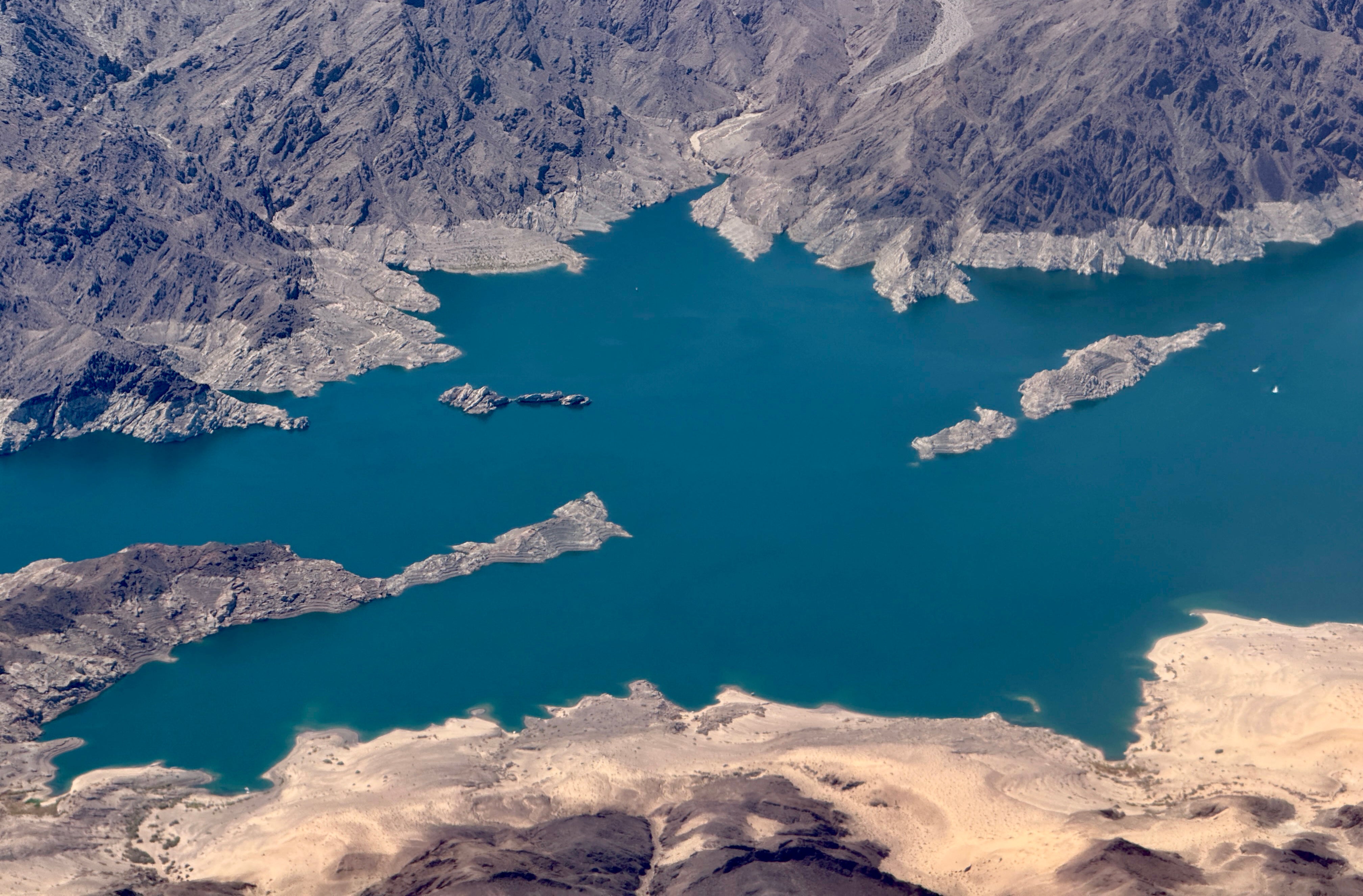
- Lake Mead's Danger Zone: If water levels fall below 975 feet above sea level, the system's ability to store water is severely compromised. As of last Friday, Lake Mead sat at approximately 1,049 feet. However, a contentious decision made by the Trump administration to reduce water releases from Lake Powell could see Mead plummet by about 28 feet by July 2027, sinking it well below its previous record low and perilously close to the 975-foot mark.
- Lake Powell's Structural Risks: The situation at Lake Powell is arguably more complex. Experts warn that if its water levels dip below 3,490 feet, Glen Canyon Dam could face severe structural and plumbing issues, making it incredibly difficult, or even impossible, to safely release water downstream. Federal managers have already taken emergency steps, including reducing releases and shifting water from upstream, to stave off an immediate crisis at Powell.
The Perfect Storm: Dry Winters, Policy, and Dwindling Solutions
The current alarm bells are ringing louder due to another unusually dry winter across the Colorado River Basin. This persistent drought, combined with the immense demand from a growing population and agriculture, has pushed the system to its breaking point.
Rhett Larson, a water law professor at Arizona State University, paints a stark picture of the diminishing options for water managers. "They’ve already shot that bullet, and you can’t unshoot it," Larson grimly noted. His assessment suggests that without a significant intervention from Mother Nature, emergency measures are effectively exhausted for the coming year.
Could an El Niño Pattern Offer Temporary Relief for the Colorado River?
There's a fleeting glimmer of hope: the study suggests that a stronger snow season, potentially boosted by an upcoming El Niño pattern, could temporarily alleviate pressure on the Colorado River system. This influx of runoff might grant Lake Mead and Lake Powell an additional two years before they plunge back into crisis conditions. However, experts are clear: this would be a temporary reprieve, not a solution.
The Ripple Effect: Who Will Be Most Affected by Lower Lake Levels?
While a "system crash" sounds apocalyptic, experts reassure that major Southwestern cities like Las Vegas, Phoenix, and those in Southern California likely wouldn't see their taps run dry immediately. These urban centers often have diverse water portfolios, backup supplies, and robust conservation programs designed to shield residents from sudden shortages, at least in the short term.
However, the impact would be far from negligible:
- Tougher Restrictions: Urban residents would undoubtedly face stricter water restrictions, such as intensified crackdowns on lawn watering, measures already commonplace in some Colorado municipalities.
- Agricultural Devastation: The real brunt of the crisis would fall on farmers and rural communities. These users are heavily dependent on Colorado River water and would face deeper, potentially devastating, water cuts. This could lead to lower crop yields and, consequently, higher food prices for everyone.
- Rising Energy Costs: Lower water levels at both Lake Mead and Lake Powell also mean reduced hydropower generation. This decrease in clean energy output could translate directly into higher electricity costs for consumers across the region.
The message is clear: the Colorado River system is in critical condition, and while immediate urban impacts might be buffered, the long-term consequences for agriculture, rural life, and regional economics are severe. This isn't just a distant problem; it's a looming challenge that demands urgent attention and collaborative, drastic solutions.
/https://i.s3.glbimg.com/v1/AUTH_59edd422c0c84a879bd37670ae4f538a/internal_photos/bs/2026/q/z/pWlBVeQ0aoLbUSYY4Egw/montagem-horizontal-1200px-16-.jpg)