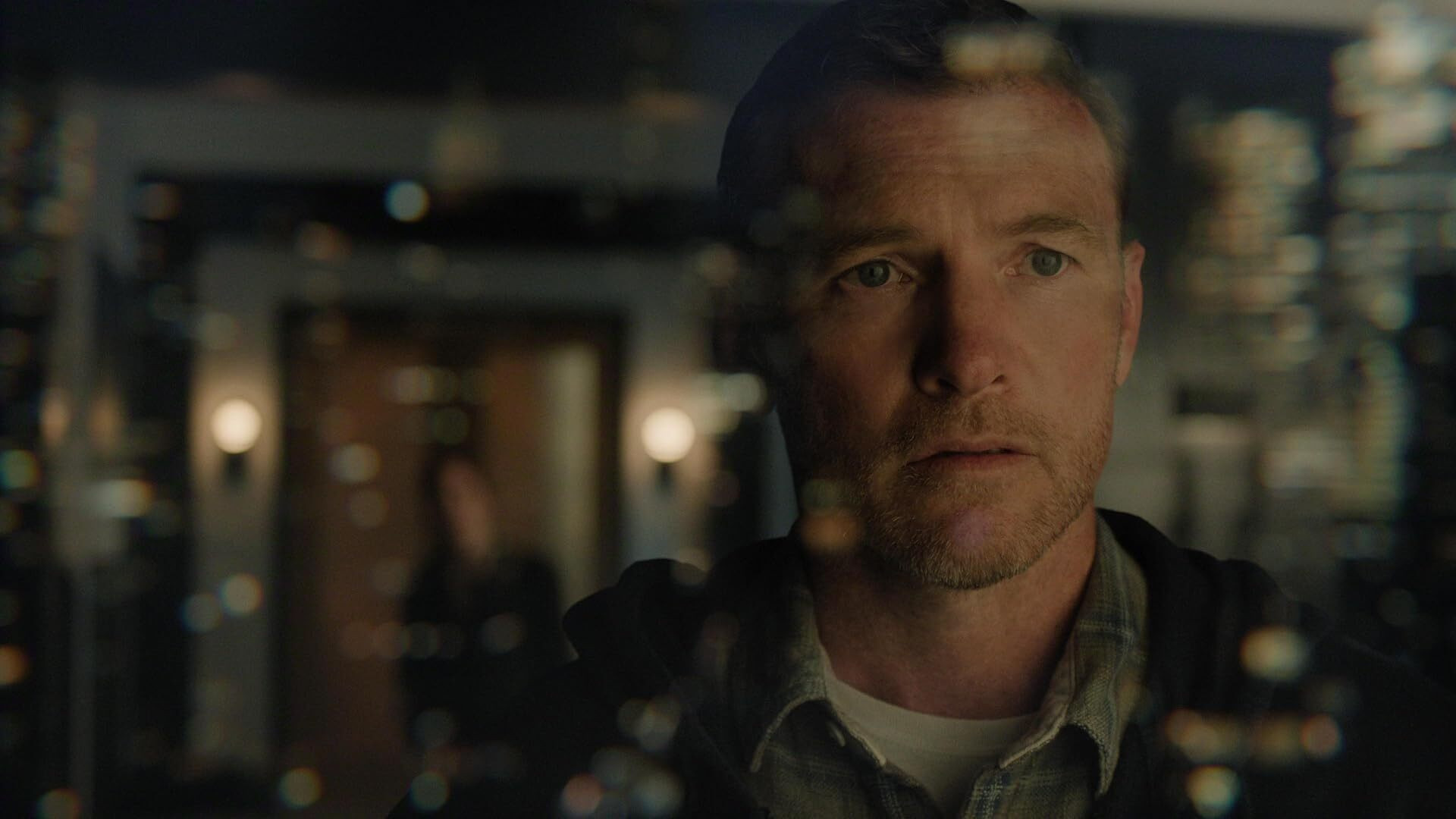
Most blockbuster sci-fi flicks thrive on spectacle: laser battles, daring escapes, and heroes wielding a blaster or blade with impossible skill. Think Star Wars, Dune, or Avatar. But what if humanity's salvation didn't hinge on a hero's combat prowess, but on their ability to think their way out of a cosmic corner?
Enter Project Hail Mary, the latest cinematic adaptation from sci-fi wunderkind Andy Weir (of The Martian fame), penned by Drew Goddard. This isn't your typical space opera; it's a refreshing, brain-first dive into the unknown, elevated by a star turn from none other than Ryan Gosling. And with the directing duo Phil Lord and Christopher Miller (The Lego Movie) at the helm, get ready for a high-stakes adventure that's surprisingly — and brilliantly — fun.
Ryan Gosling's Latest Space Odyssey: Beyond Guns & Glory
For years, the gold standard for 'brains-over-brawn' space sagas was arguably Ridley Scott's The Martian. Now, with Project Hail Mary, we're getting another dose of intricate problem-solving in the vast emptiness of space, but with a decidedly different flavor. While The Martian offered gritty realism, Project Hail Mary embraces a buoyant energy that's utterly infectious.
The core premise sees Gosling's character, Ryland Grace, waking up in a massive spaceship hurtling towards a distant star, his memory foggy from years in an induced coma. His crewmates are dead. His mission? A vague, terrifying understanding that he's humanity's last hope. Earth is facing extinction; mysterious alien microbes, dubbed "Astrophages," are devouring the sun's radiation, plunging our home planet into an irreversible deep freeze. Grace, a biologist by trade, must uncover why one specific star remains unaffected and transmit the secret back to a dying Earth, even if it means a one-way trip.
Kenergy in Orbit: How Gosling Redefines the Sci-Fi Hero
What sets Project Hail Mary apart is its casting and tone. Ryan Gosling, hot off his Barbie-fueled "Kenergy" resurgence, is a stroke of genius. He infuses Ryland Grace with a unique blend of intellectual curiosity, vulnerability, and that irresistible goofball charm. It's an unlikely combination for a man on a suicide mission to save the world, but it works.
Lord and Miller, masters of upbeat storytelling (remember "Everything Is Awesome"?) take this grim premise and sprinkle it with an effervescent perkiness. This isn't a film weighed down by existential dread or the solemnity of imminent doom. Instead, it’s a surprisingly bright, shiny, and genuinely entertaining ride, proving that high stakes don't always demand high angst.
An Interstellar Buddy Comedy: Grace, Rocky, and the Power of Communication
Just when Grace seems truly alone, he discovers he's not. Another spacecraft, on the same mission from a different planet, harbors its own sole survivor: Rocky, a crab-like alien made of lumps of stone. The immediate challenge of interplanetary communication is quickly overcome, turning potential peril into an opportunity for an improbable, delightful buddy comedy. Rocky, voiced with chirpy charm, adds an essential element of companionship and collaboration.
This ease with which obstacles are overcome, the lack of painful personal sacrifice seen in epics like Christopher Nolan's Interstellar, might seem to dilute the drama. But this is precisely the film's radical strength. Grace isn't a brooding, angst-ridden hero. He's a laid-back, well-groomed joker who feels surprisingly fine about the end of the world. This light touch allows the audience to engage with the complex ideas without being overwhelmed by emotional weight.
Why the Light Tone Works: Crafting Engaging Sci-Fi with Brains
To craft a sci-fi epic stretching over two-and-a-half hours, largely a one-man show focused on "mind-stretching concepts, painstaking laboratory research, and knotty technical puzzles," and keep it consistently zippy and entertaining? That's an extraordinary feat by Lord and Miller. They understand that a relentless focus on action or grim realism can often detract from the intellectual thrill of discovery. By embracing an upbeat tone, they make the science, the problem-solving, and the communication between species the true heroes of the story.
The film's success lies in its ability to humanize the daunting scale of space and the scientific process, inviting viewers to share in the joy of discovery rather than just the tension of survival.
The Radical Message of Project Hail Mary: Saving the World with Intellect
Beyond its entertainment value, Project Hail Mary delivers a powerful, timely message. In a world often defined by conflict, the film posits that the ultimate salvation of humanity might not lie in fighting, but in knowledge, intelligence, communication, and collaboration. It’s a radical departure from the common narrative, suggesting that empathy and ingenuity can conquer even the most apocalyptic threats.
This unique blend of high-concept science fiction, engaging humor, and an uplifting message is why Project Hail Mary is already being whispered about as a potential Best Picture contender for next year's Oscars. It's a testament to the idea that sometimes, the most profound stories are told with a smile, a clever solution, and a little bit of Kenergy.