Rocky Mount Tragedy: Unpacking the Deadly Link Between Power Shut-Offs and Carbon Monoxide
Rocky Mount, North Carolina, is grappling with a profound tragedy after three members of a single family were found dead in their home on King Charles Court. The grim discovery has ignited a crucial investigation into the potential role of carbon monoxide poisoning from a generator – and a chilling question is emerging: could the family’s recently disconnected electricity, due to a hefty unpaid utility bill, be a direct, devastating factor in their demise?
This isn't just a local news story; it's a stark reminder of the hidden dangers when essential services meet financial hardship, pushing families to desperate measures with potentially fatal consequences.
The Grisly Discovery on King Charles Court: A Family's Untimely End
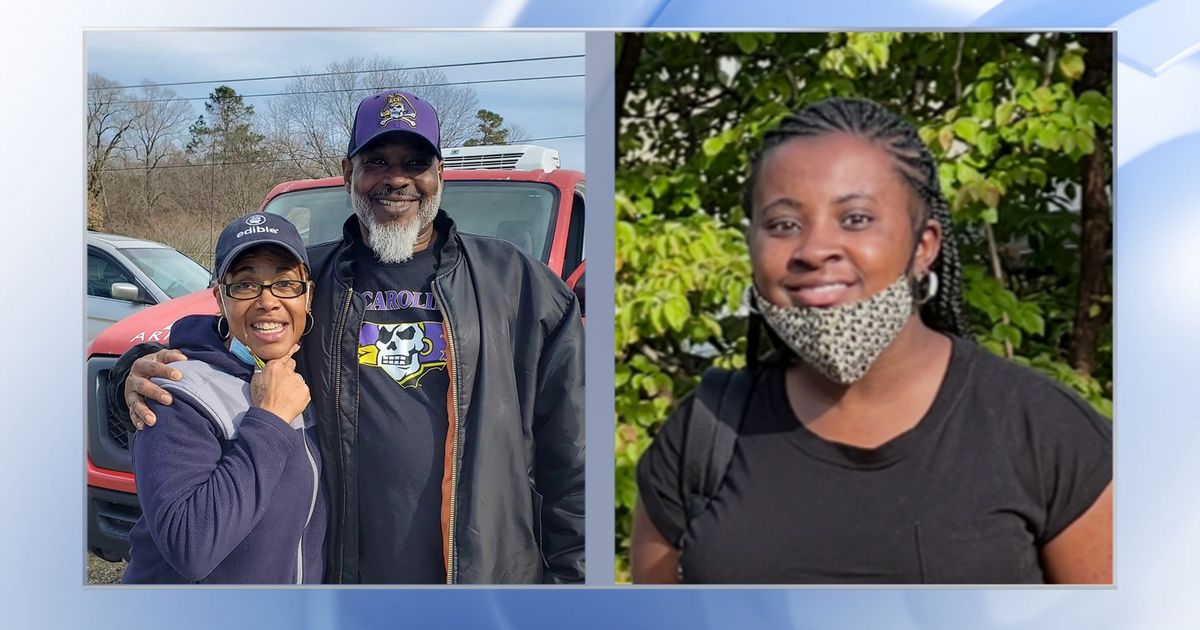
On Monday morning at approximately 10:45 a.m., Rocky Mount police made the horrific discovery. Inside a mobile home, they found the bodies of married couple Tracey and Kenny Swann, along with 20-year-old Mahala Scurlock, Tracey’s adopted daughter. Three dogs were also found deceased within the residence, painting a picture of sudden, silent devastation.
Relatives, still reeling from the shock, confirmed the identities, adding a deeply personal layer to the unfolding tragedy. Law enforcement officials have been quick to state that, at this preliminary stage, there appears to be no safety threat to surrounding residents, with foul play not currently suspected. Instead, investigators are zeroing in on a silent killer: carbon monoxide.
Was a $2,000 Utility Bill a Fatal Factor in the Rocky Mount Deaths?
The focus of the investigation has quickly turned to whether a generator was running inside the home, potentially filling the enclosed space with lethal carbon monoxide fumes. This theory gained urgent traction when Tracey Swann's daughter, Krista Crisp, revealed a critical detail: her mother's electricity had recently been turned off.
Crisp told reporters that the family's utility bill had soared to over $2,000, and with Tracey as the sole income earner, they struggled to make payments. She claims the city would only accept the full outstanding amount, rejecting attempts to make partial payments – a policy that could have forced the family into a perilous situation.
If confirmed, the connection between the utility shut-off, the reliance on a generator, and the resulting carbon monoxide poisoning would underscore a tragic chain of events, demanding serious scrutiny of city utility policies and their impact on vulnerable residents.
Rocky Mount's Utility Crisis: Billing Woes and Disconnected Lives
The Swanns' situation isn't an isolated incident in Rocky Mount. The city has reportedly been plagued by widespread utility billing issues for months. Recently, city officials began implementing late fees and proceeding with power disconnections for customers with outstanding balances, leading to widespread concern among residents.
The question now looms large: how many other families in Rocky Mount might be facing similar dilemmas, potentially resorting to unsafe alternatives like indoor generators to power their homes after essential services are cut? This incident could blow the lid off a simmering crisis for the city's utility department.
The Haunting Silence: How Family Knew Something Was Wrong Before Rocky Mount Police Arrived
The alarm bells for the Swann family began ringing over the weekend. Tracey Swann failed to show up for a planned family shopping trip on Saturday. By Sunday, a family member knocking on their door found no answer. The dread grew, culminating on Monday when another relative returned to the King Charles Court home. "I smell death," she chillingly reported to Krista Crisp, prompting the call to authorities that led to the tragic discovery. These missed connections and unanswered calls paint a heartbreaking picture of a family in distress, their situation escalating to an unimaginable conclusion.
Official Investigation vs. Unanswered Community Questions in Rocky Mount Fatalities
Rocky Mount Police Chief Martin McCoy Sr. confirmed that investigators do not suspect foul play, emphasizing that "We're looking at every angle." However, he also made a clear distinction: the family's utility billing history is not part of the police investigation, stating, "That would be an issue that the family would have to take up with the utilities department."
This stance, while legally defined, highlights a growing gap between official investigations and the broader, crucial questions the community is asking. The city of Rocky Mount has yet to publicly respond to specific questions regarding the power disconnection, payment attempts, or the duration of the family's outstanding balance.
Elizabeth Scurlock, Tracey and Kenneth's niece, expressed the family's profound grief: "They would give you the clothes off their back if they could. They meant — they mean the world to us... This is still very hard for us, and we're just trying to process this."
Beyond the Headlines: The Critical Dangers of Generators and Utility Policy Scrutiny
This tragedy in Rocky Mount serves as a grim warning. The dangers of carbon monoxide from generators used indoors are well-documented, yet these devices become a lifeline for families without electricity, especially in colder months or during outages. This incident powerfully underscores:
- The immense risks of operating generators indoors. Carbon monoxide is an odorless, colorless gas that can kill silently and quickly.
- The critical need for accessible utility assistance programs. When families face insurmountable bills, disconnection can lead to life-threatening scenarios.
- The transparency and accountability of public utility services. Cities managing their own utilities have a profound responsibility to their residents, especially when policies can have such dire consequences.
As Rocky Mount mourns, the wider implications of this tragic event will undoubtedly spark further conversations about economic vulnerability, public safety, and the true cost of essential services.


