Rocket Lab's Neutron Rocket: A Major Leap Forward in Space Launch Technology
In the fiercely competitive world of commercial space, Rocket Lab is not just building rockets; it's crafting an audacious future. While its reliable Electron rocket continues to serve the small-satellite market, all eyes are now on its ambitious next-generation vehicle: Neutron. And a recent, successful full-duration test of the powerful Archimedes engine has just sent a clear signal – Neutron is very much on track to become a serious contender.
This isn't just about another engine test; it's a critical step that de-risks a significant portion of Neutron's development, paving the way for its integration and eventual first flight. WhyThisBuzz is breaking down what this means for Rocket Lab, the space industry, and why you should be paying attention.
Archimedes Engine Qualification: Powering Rocket Lab's Neutron to Orbit
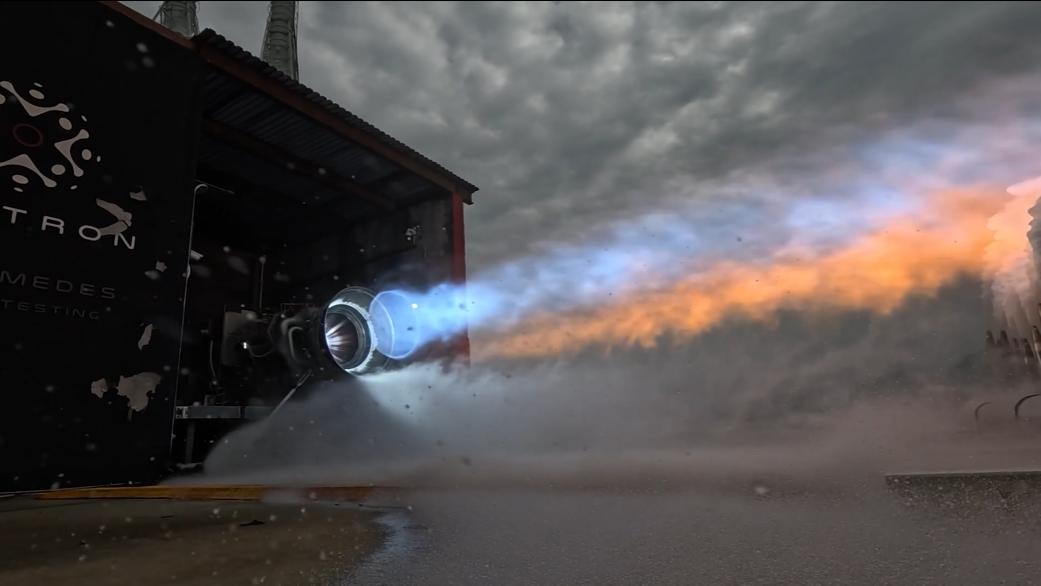
The star of the show is the Archimedes engine, the powerhouse designed to propel Neutron skyward. Rocket Lab recently announced the successful completion of a full-duration burn test for the second-stage variant of Archimedes – known as AVac (Archimedes Vacuum).
Conducted at Rocket Lab's Archimedes Test Complex, nestled within NASA’s Stennis Space Center in Mississippi, this critical test precisely simulated the demands of a real flight. For just under five-and-a-half minutes, the engine roared to life, demonstrating its readiness for the harsh vacuum of space. The company's social media channels lauded the event as a "thing of beauty" and a "critical preparation for Neutron's first flight." This isn't mere hyperbole; a successful long-duration burn is a huge hurdle cleared, proving the engine's sustained performance and reliability.
Neutron's Game-Changing Design: Reusable First Stage and the "Hungry Hippo" Payload System
So, what makes Neutron such a big deal? It’s not just about the engine; it’s the entire philosophy behind the rocket.
At liftoff, Neutron’s first stage will be powered by a formidable array of eight Archimedes engines, collectively generating nearly 1.5 million pounds of thrust. To put that in perspective, the output of each individual Archimedes engine is comparable to SpaceX’s Merlin 1D engine, which powers the first stage of the industry-leading Falcon 9 rocket.
Like the Falcon 9, Neutron is designed for partial reusability. Its first stage is engineered to return safely to its launch site or land on a purpose-built droneship at sea, significantly reducing costs and increasing launch cadence. This reusability factor is paramount in today's commercial space race, a testament to Rocket Lab learning from and adapting to the cutting edge of launch technology.
But where Neutron truly stands apart is its unique second stage and payload fairing system, affectionately dubbed the "Hungry Hippo." While conventional rockets encase their payloads in fairings that jettison entirely after launch, Neutron's fairing halves separate like a clam shell. This innovative design not only protects the payload but also houses the rocket's second stage, which then emerges from the open "jaws" to deliver its cargo into orbit. This clam-shell approach streamlines operations and could offer significant advantages in payload integration and turnaround times.
The AVac Engine: Maximizing Thrust in the Vacuum of Space
The second stage of Neutron relies on a single vacuum-optimized Archimedes (AVac) engine. This engine is specially designed for the extreme conditions of space, featuring an extended nozzle that stretches approximately eight feet (2.5 meters) taller than its first-stage counterparts. This elongated bell allows the engine to achieve greater efficiency and produce 1.2 times the thrust in a vacuum compared to its sea-level variant.
During the recent ground test, engineers fitted the AVac with a shorter "sea-level variant skirt." This temporary measure was necessary to prevent "flow separation and instability" when testing a vacuum-optimized nozzle at atmospheric pressure. These "stub skirts" provide critical data, anchoring engineers' analyses of how the engine will perform with its full-length nozzle in the intended vacuum environment. It's a meticulous approach to ensure mission success.
Neutron Launch Timeline: Overcoming Challenges on the Road to First Flight
Developing a rocket of Neutron’s complexity is no easy feat, and Rocket Lab has faced its share of hurdles. Initial targets for Neutron's debut shifted from late 2025 to the first half of 2026. Furthermore, January saw a setback when a main stage tank ruptured during a pressure test at the company's Wallops, Virginia, facility.
However, Rocket Lab founder and CEO Peter Beck has consistently emphasized a clear philosophy: the Neutron team is focused on achieving orbit when the vehicle is ready, rather than rushing to meet an arbitrary target date. This pragmatic approach, prioritizing safety and reliability over aggressive deadlines, is a hallmark of successful space endeavors and bodes well for Neutron's long-term success.
Why Neutron Matters: Reshaping the Commercial Space Landscape
With the successful Archimedes test, Rocket Lab has taken a giant leap towards realizing its Neutron ambitions. This rocket isn't just an upgrade; it's a strategic move to address the burgeoning demand for medium-lift launch capabilities. By offering a reusable, highly innovative, and potentially cost-effective solution, Neutron is poised to compete directly with established players and provide a vital new option for governments and commercial entities looking to send heavier payloads to orbit.
Keep an eye on Rocket Lab. The "Hungry Hippo" is getting ready to feed, and when it does, it will certainly create a buzz throughout the industry.