The entertainment world is in a full-blown nostalgia frenzy. From live-action movie reboots to 'reimagined' video game classics, it seems everywhere we look, something old is new again. But as audiences clamor for familiar experiences, a critical question emerges: how faithful is faithful enough, and how much "new" does a remake truly need to be?
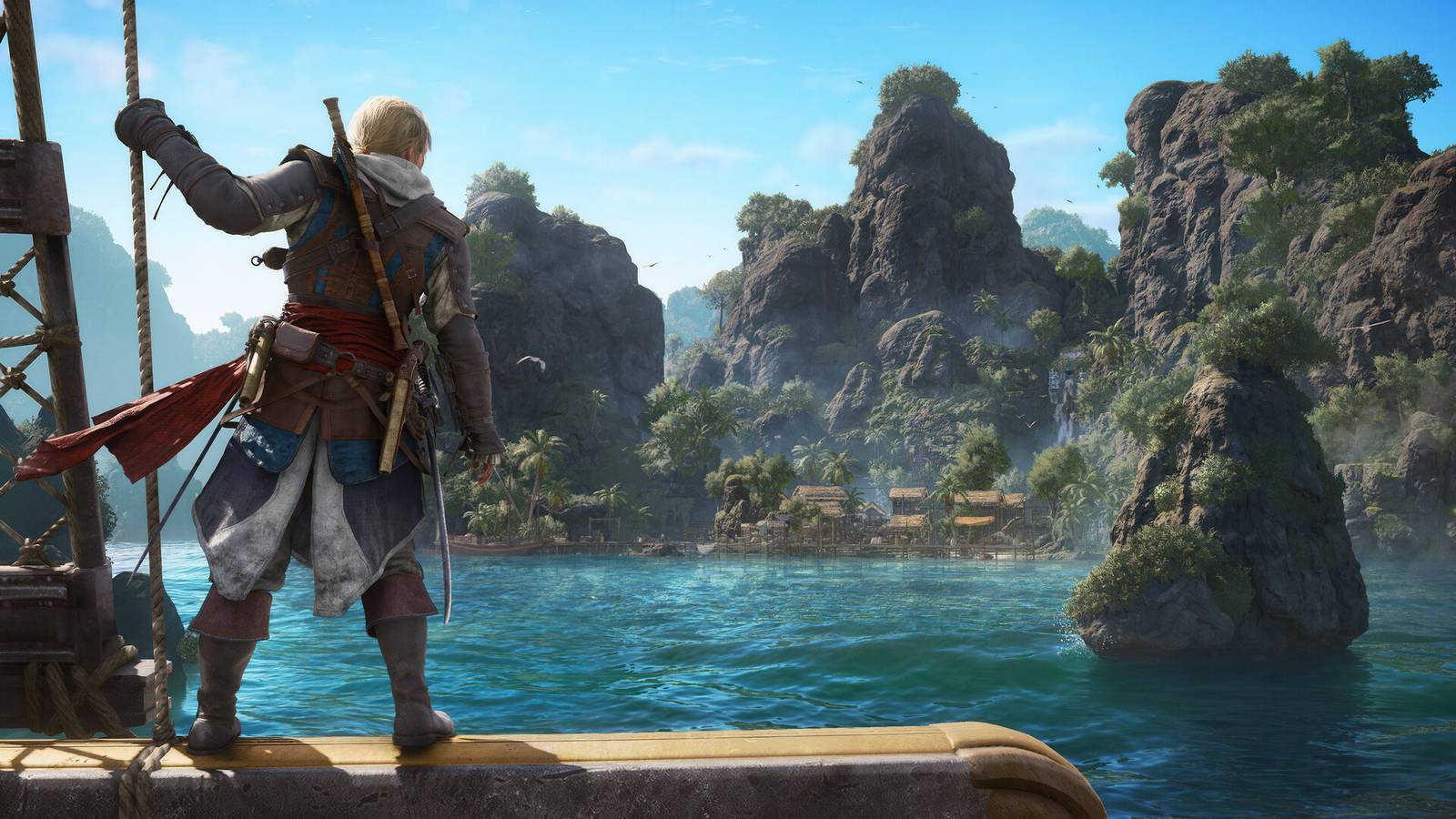
This week delivered two fascinating case studies: Disney’s live-action Moana and Ubisoft’s Assassin’s Creed Black Flag Resynced. Both are remakes of popular, seafaring tales. Both are barely over a decade old. And yet, their reception and why they exist highlight a stark divergence in the remake philosophy, especially between film and gaming.
Why Developers Are Remaking Everything: The Business Behind Gaming's Hottest Trend
Let's face it: creating entirely new, massive-scale entertainment for a global audience is incredibly hard, expensive, and risky. The financial stakes are astronomical, the development cycles are long, and guaranteed success is a myth. Enter the remake.
For companies like Disney and Ubisoft, leveraging established brands like Moana or Assassin's Creed is a no-brainer. These franchises come with built-in fanbases, proven appeal, and a track record of merchandising gold. Remakes offer a relatively safer bet, filling release schedules and keeping beloved IP relevant without the full creative burden of a brand-new concept. And then, there's the undeniable pull of nostalgia, a cultural superpower that makes us crave the comfort of the past, even as we demand something fresh.
However, the raw text reveals a key difference in the justification for remakes across media:
Beyond Graphics: How Video Game Technology Ages Differently Than Films
While Disney's live-action Moana, just 10 years after the animated original, left critics scratching their heads (it's nearly identical, features Dwayne Johnson reprising his role, and frankly, the original still slaps), Assassin's Creed Black Flag Resynced has garnered a warmer, if somewhat divided, reception. Why the disparity?
The answer lies in the fundamental nature of the art forms. A 10-year-old movie might feel dated in its storytelling or visual effects, but its core experience remains accessible. You can pop on the original Moana (2016) today, and it's still a visually stunning, emotionally resonant masterpiece.
Gaming, however, plays by different rules. A decade is a lifetime in video game technology. Early 3D games, for instance, are often plagued by clunky cameras, inconsistent frame rates, and muddy visuals that can significantly hinder a modern player's enjoyment. Compatibility issues with new hardware can also make classics inaccessible. While the original Black Flag received modern console ports, many legendary titles don't share that luxury.
This is where game remakes find their most compelling argument: preservation and accessibility for new generations. Think about a masterpiece like The Legend of Zelda: Ocarina of Time. For many, it's gaming royalty. But its Nintendo 64 origins mean a new generation, weaned on the fluid mechanics of Breath of the Wild, might struggle with its awkward camera and dated aesthetics. A well-executed remake could allow them to experience its magic without battling technological limitations.
Navigating the Faithful vs. Fresh Debate in Gaming Remakes
The critical dilemma for developers is where to draw the line. How much do you change? And for players, what do they truly want?
From Subtle Tweaks to Radical Reimaginations: What Defines a Successful Remake?
The "Polish & Preserve" Approach: Some remakes focus on graphical overhauls, quality-of-life improvements, and ironing out minor kinks, while largely leaving the core experience untouched. Bluepoint Games' Shadow of the Colossus (2018) is a visually stunning example, though even its faithful update sparked debate: did lifting the original's atmospheric fog enhance or diminish its melancholy mystery? Similarly, Dragon Quest 7 Reimagined won praise for ruthlessly trimming its infamously slow opening. Sometimes, players want what they think they remember, not necessarily the original, warts and all.
The "Recontextualize & Reimagine" School: Then there are remakes that fundamentally alter the experience. Square Enix's Final Fantasy 7 Remake saga took its beloved source material and transformed it into a multi-part, action-RPG epic with a vastly different narrative direction. While commercially successful, this approach has divided fans, with some feeling it deviated too far from the original's essence.
The Gold Standard of Modernization: Resident Evil Remakes: Capcom's series of Resident Evil remakes (RE2, RE3, RE4) are often cited as the pinnacle. Instead of just updating, they boldly asked: "What would these games look like if we made them today?" They kept the spirit and key moments but innovated on gameplay, pacing, and atmosphere, creating experiences that feel both classic and cutting-edge.
The challenge is immense. Change too much, and you risk alienating veterans who cherish the original's integrity. Change too little, and you might fail to capture new audiences or justify the remake's existence. Assassin's Creed Black Flag Resynced, for instance, excised much of the original's modern-day framing, a move lauded by some and lamented by others who felt it fundamentally altered the narrative's tone.
The Future of Game Remakes: What Every Gamer Should Expect
Ultimately, the "perfect" remake formula is an elusive beast, perhaps unique to every game and every player. The robust discussions in the comments section of the original article reveal the depth of player passion and the myriad perspectives:
- Some argue that older games don't need updates, and players should simply learn to appreciate older design paradigms.
- Others emphasize the need for a modern version of the original game to be bundled with any remake.
- Many highlight that even "quality of life" changes fundamentally alter a game's meaning.
One thing is clear: remakes aren't going anywhere. They are a powerful economic engine and, in the gaming world, a crucial tool for keeping the medium's masterpieces alive and accessible. As players, our job isn't to stop them, but to engage with them critically, asking ourselves what we truly desire from these echoes of the past. Are we seeking pure nostalgia, a fresh take, or simply a way for the next generation to fall in love with the legends that shaped us?
Let us know your thoughts on the remake debate in the comments below!