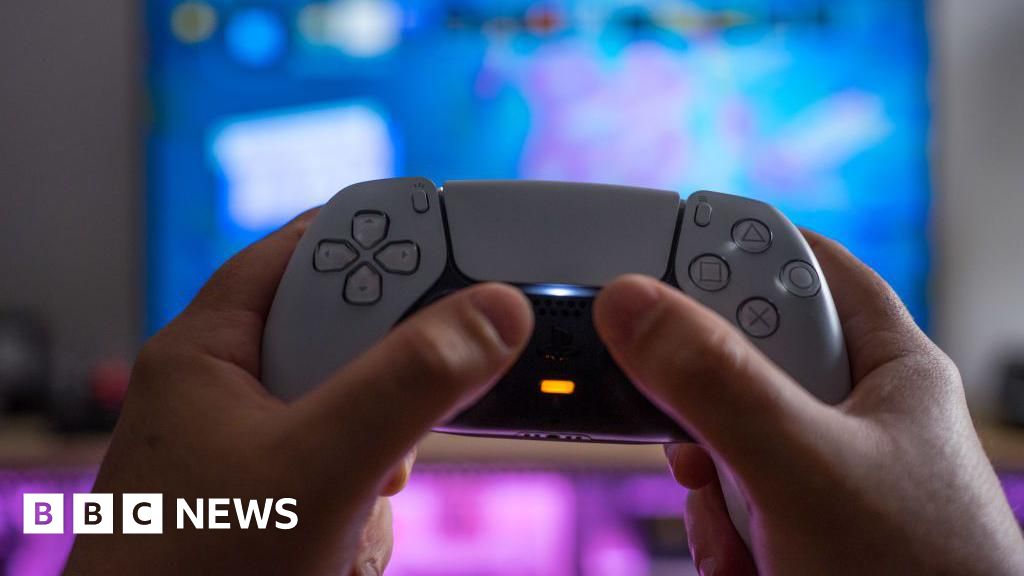
The gaming world ground to a halt for millions on Friday as the PlayStation Network (PSN) experienced a significant global outage. For hours, players found themselves locked out of their digital libraries, unable to launch games, access apps, or utilize core network features. While Sony confirmed the resolution by Friday evening, the incident has amplified a growing chorus of concerns surrounding the company's bold move towards an all-digital future.
PlayStation Network Down: Millions of Gamers Impacted Globally
According to outage tracker Down Detector, tens of thousands of users worldwide reported issues with the PlayStation Network throughout Friday. From login failures to complete inability to access purchased digital content, the widespread disruption left gamers frustrated and vocal. The timing was particularly inconvenient, coinciding with reports of issues from Amazon Web Services (AWS), a major cloud provider that often underpins large online services, though AWS problems were also swiftly resolved.
This wasn't just a minor blip; it was a stark reminder of the fragile infrastructure underpinning modern gaming. When the servers falter, digital ownership can feel less like true ownership and more like a rented privilege.
Sony's All-Digital Future Under Scrutiny After PSN Blackout
The most significant fallout from the outage wasn't just the temporary inconvenience, but the renewed scrutiny it brought to Sony's long-term strategy. Earlier this month, Sony announced a pivotal shift: from January 2028, new PlayStation games will no longer be released on physical discs. While physical shops will still sell new titles, they will contain only a digital download code.
This policy decision, aimed at streamlining distribution and potentially cutting costs, has been met with mixed reactions. Proponents point to convenience and environmental benefits, but critics warn of potential pitfalls, including:
- Reliance on Server Uptime: The recent outage vividly illustrated this. If you can't connect to the network, you can't play your purchased digital games.
- Loss of Resale Value: Digital games cannot be easily resold, impacting consumer rights and the secondary market.
- Archival Concerns: The long-term preservation of games becomes entirely dependent on a platform holder's willingness to maintain servers.
- Internet Access Requirements: Players in areas with poor or no internet access would be significantly disadvantaged.
One particularly pointed comment on X (formerly Twitter) during the outage perfectly captured the sentiment: "Can't play digital games till you fix it. Yet I can put my disc in and play. The all digital future looks great." This user's experience highlights the perceived robustness of physical media compared to purely digital access during a network failure.
The Digital Divide: Why Connectivity is King (and its Weaknesses)
As the gaming industry increasingly pivots towards digital distribution and cloud-based services, reliable internet connectivity and robust server infrastructure become paramount. While the convenience of instant downloads and massive digital libraries is undeniable, Friday's PSN outage serves as a potent cautionary tale.
In a world where gaming experiences are increasingly tied to online platforms, the stability of those platforms directly impacts the user's ability to access the content they've paid for. As Sony pushes aggressively towards a disc-less future, ensuring iron-clad server reliability isn't just a convenience – it's a foundational promise that directly impacts consumer trust and the very definition of game ownership. The buzz is clear: gamers want innovation, but not at the expense of accessibility and reliability.