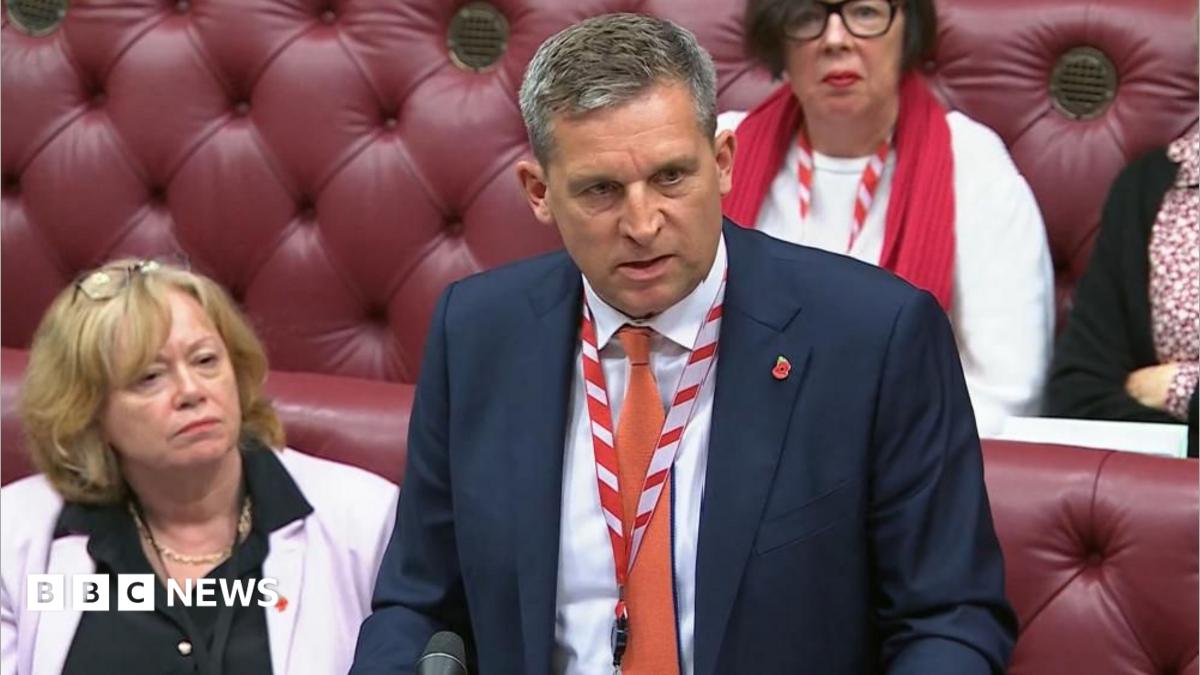
The UK's justice landscape just got a fresh jolt. Lord James Timpson, the Prisons Minister whose appointment was hailed as a "radical" step, has unexpectedly stepped down from his post after two tumultuous years. The news, confirmed exclusively by the BBC, leaves a gaping question mark over the future direction of England and Wales's struggling prison and probation services.
Timpson’s tenure has been marked by bold initiatives and sharp criticism, underscoring the relentless pressure on a system teetering on the brink. His departure, with no specific reason cited beyond feeling he'd "done as much as he can," has immediate implications for the government and the tens of thousands whose lives intersect with the justice system.
The 'Radical' Appointment and the Prison Crisis
When Lord James Timpson joined Sir Keir Starmer's government in July 2024, it wasn't just another ministerial shuffle. His arrival was met with significant fanfare, lauded by some in the Labour Party as "innovative" and a genuinely "pioneering" move. And for good reason.
Lord Timpson's Unique Path to Government Leadership
Timpson wasn't a career politician. He brought a unique perspective, having previously served as CEO of the Timpson Group, a family business renowned not just for key cutting and shoe repair, but also for its groundbreaking employment of hundreds of former prisoners. This real-world experience, rooted in rehabilitation and second chances, was seen as a breath of fresh air for a department often perceived as rigid and disconnected. The hope was that his business acumen and progressive approach to offender reintegration would translate into much-needed systemic change.
Tackling England's Overcrowded Jails: The Early Release Controversy
However, Timpson walked into a full-blown crisis. When he took office, prisons in England and Wales were bursting at the seams, operating at near full capacity. This dire situation demanded immediate, if unpopular, solutions. One of his most significant — and controversial — actions was overseeing an early release scheme. This initiative saw tens of thousands of inmates let out ahead of schedule, a desperate measure designed to free up space in overcrowded facilities. While easing immediate pressure, it ignited a firestorm of debate about public safety and the fundamental purpose of incarceration.
Two Years On: A Legacy Under Scrutiny
In his departing statement, Lord Timpson painted a picture of progress, asserting he was proud to leave "our prisons and probation service in a much healthier and happier state than two years ago." He pointed to impressive statistics and personal achievements, yet critics remain unconvinced.
Timpson's Claims of Progress in Prison Safety and Rehabilitation
According to Timpson, his two-year stint saw significant improvements. He claimed to be the longest-serving minister in the role for 15 years, a testament to the department's high turnover. More importantly, he highlighted tangible gains:
- Improved Performance: 75% of prisons and 90% of probation teams are now reportedly performing better than when he started.
- Reduced Harm: Crucially, self-harm, violence, and assaults on staff are all down.
- Dignity After Release: Fewer people are leaving prison without a home, a measure he personally championed to ensure a basic level of dignity and reduce reoffending risks.
- Women's Justice Reform: He also established the Women's Justice Board, advocating for diversion away from custody for most women, focusing instead on supporting those with "chaotic, damaged, and addicted lives."
Critics Point to Ongoing Challenges in the Justice System
Despite Timpson's optimistic assessment, the chorus of critics is loud and clear. Many argue that the foundational issues plaguing the system persist. Prisons, they contend, continue to be violent, drug-infused, and dangerously overcrowded. Probation officers still report being chronically overworked and unable to cope with their demanding caseloads, raising concerns about community safety and effective rehabilitation. The numbers, while showing some improvement, don't tell the whole story for those on the front lines.
The Timing Question: What's Next for UK Prisons?
Perhaps the most perplexing aspect of Timpson's resignation is its timing. It comes just weeks before a major legislative shake-up that he himself helped shape.
Why Resign Before the Sentencing Act 2026?
The Sentencing Act 2026 is due to be enacted in September. This landmark legislation is expected to trigger further early releases and mandate more criminals to serve their sentences within the community. Given his deep involvement in these reforms and his stated commitment to a more rehabilitative approach, his decision to step down before the Act comes into full force is raising eyebrows. Critics may question if he's stepping aside before the full impact of these controversial measures, and potentially any backlash, becomes apparent.
The Road Ahead for the Ministry of Justice
A source within the Ministry of Justice, clearly surprised by the news, told the BBC, "We're gutted he's going but the new person is going to have their work cut out to get their head round what's round the corner." This sentiment encapsulates the challenge ahead. Lord Timpson, for all his controversies, brought a distinct vision and practical experience to a deeply troubled area of government. His successor will inherit not just a hot seat, but a system in perpetual flux, with the weight of public safety and thousands of lives hanging in the balance.
The 'radical' experiment of Lord Timpson's leadership has concluded. The question now for "WhyThisBuzz" readers isn't just why he left, but what kind of justice system will emerge from his legacy and the daunting challenges that remain.