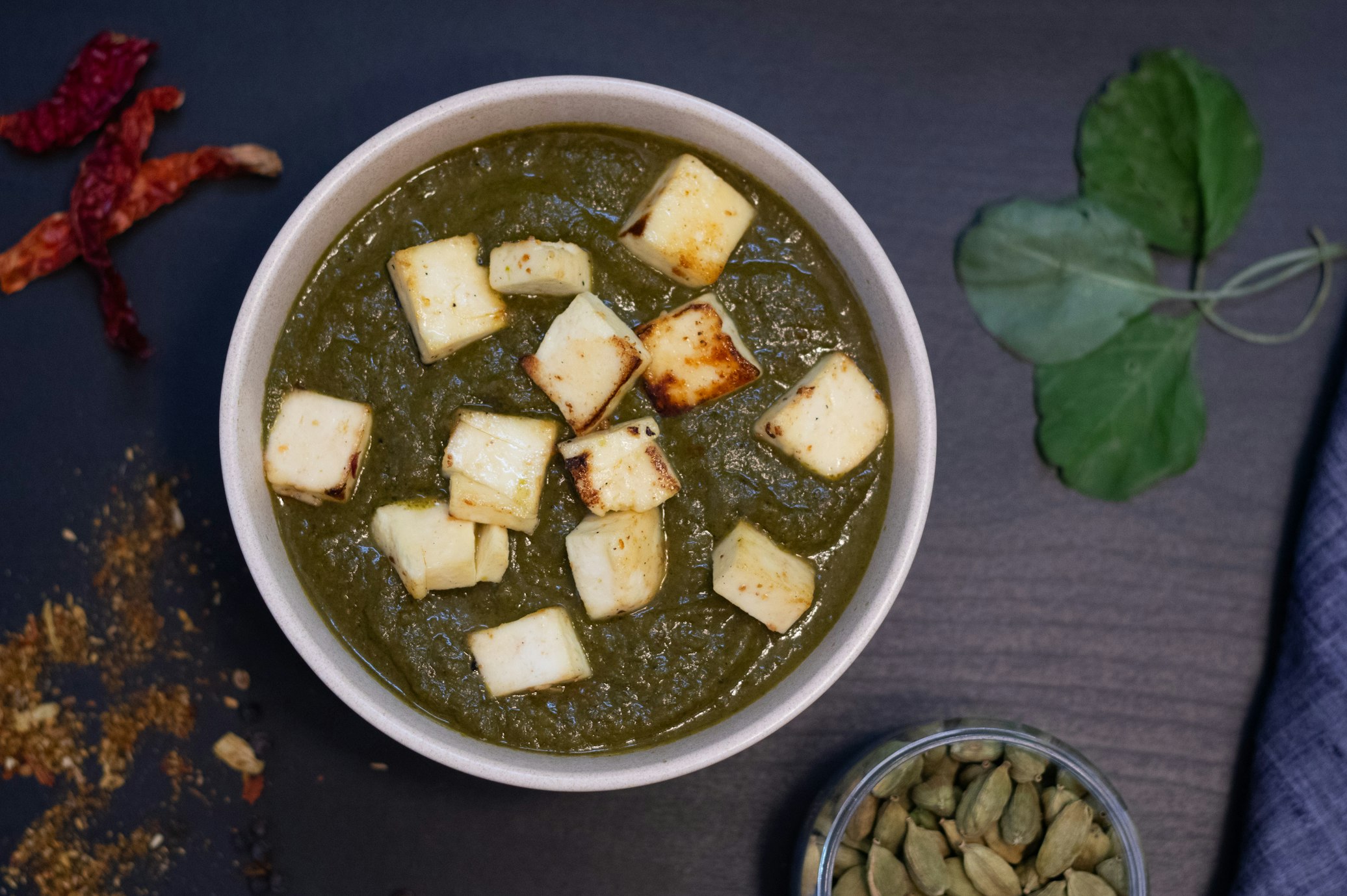
A years-old legal case involving Indian food, university housing, and cultural discrimination has suddenly resurfaced online, sparking renewed debate and strong reactions.
The case — often referred to online as the “palak paneer smell racism” incident — involves two Indian PhD students in the United States who reached a $200,000 settlement after alleging discriminatory treatment over the smell of their cooking. Though the incident dates back to 2018, it is trending again due to social media discussions and renewed attention to cultural bias in shared spaces.
Here’s a clear explanation of what happened and why people are talking about it again.
What Happened in the Original Case
The incident took place at a U.S. university housing facility where two Indian doctoral students lived. According to legal filings and reports:
- The students were accused by housing authorities of creating “strong food odors” from Indian cooking, including dishes like palak paneer.
- They were warned and later faced housing-related actions, which they argued were selectively enforced against them.
- The students claimed the actions were discriminatory, as similar complaints were not raised against residents cooking non-Indian food.
The dispute eventually escalated into a formal legal case alleging racial and cultural discrimination.
The $200,000 Settlement
In 2023, the case concluded with a $200,000 settlement paid to the two students. Importantly:
- The settlement did not include an admission of wrongdoing by the university or housing authority.
- The agreement resolved the matter without a prolonged court trial.
- The amount covered damages, legal costs, and compensation related to the complaint.
Settlements of this nature are often used to avoid extended litigation and do not automatically imply guilt or innocence.
Why the Case Is Trending Again Now
Although the legal outcome is not new, the case has resurfaced due to:
- Social media posts mocking or criticizing the settlement amount.
- Viral discussions framing the issue as an example of “food smell racism.”
- Broader online conversations about cultural acceptance, immigration, and inclusion in Western institutions.
Phrases like “What a joke” and references to palak paneer have circulated widely, turning the case into a meme-like talking point — even though the underlying issue is more complex.
Different Viewpoints Around the Debate
Viewpoint 1: Cultural Discrimination
Supporters of the students argue that:
- Food is a core part of cultural identity.
- Singling out Indian food smells reflects implicit bias, especially in multicultural environments.
- Shared housing rules should be applied equally, regardless of cuisine or ethnicity.
From this perspective, the settlement is seen as recognition that the students’ concerns were valid.
Viewpoint 2: Shared Living Practicalities
Others argue that:
- Housing facilities must manage shared living comfort, including ventilation and odor control.
- Complaints about strong smells can arise with any cuisine, not just Indian food.
- The issue may have been administrative rather than racially motivated.
This group questions whether the case should be framed primarily as racism.
Why This Case Resonates Globally
The renewed attention highlights a broader issue faced by many immigrants and international students:
- Adjusting to cultural norms in shared spaces
- Navigating unwritten social expectations
- Balancing personal identity with communal living rules
Food-related conflicts are especially sensitive because they intersect with culture, comfort, and personal habits.
What This Explains About Online Reactions
The resurfacing of this case shows how:
- Old legal stories can go viral years later when reframed through social media narratives.
- Complex discrimination cases are often reduced to simplified headlines or jokes online.
- Discussions about race and culture continue to evolve, especially in global academic environments.
Final Thoughts
The palak paneer settlement case is less about a single dish and more about how institutions handle cultural differences. Its reappearance online reflects ongoing conversations about inclusion, fairness, and how multicultural societies adapt to everyday differences.
While opinions remain divided, the case continues to serve as a reference point in debates about cultural sensitivity and equal treatment.
Frequently Asked Questions
Q: Did the university admit racism in this case?
No. The settlement resolved the dispute without any admission of wrongdoing.
Q: Is cooking Indian food banned in U.S. university housing?
No. Most housing policies focus on safety and ventilation, not specific cuisines.
Q: Why is palak paneer specifically mentioned?
It became a symbolic reference used online, though the case involved broader concerns about food smells and enforcement practices.


