The "82-0" Challenge: What's Driving the Viral NBA Perfect Season Game?
Forget the actual NBA playoffs for a second – the real competitive fire is burning online, fueled by a simple yet infuriatingly complex question: Can you build an NBA starting five that goes a perfect 82-0?
Welcome to the world of the "82-0" game, the viral sensation currently dominating sports conversations, social feeds, and even pro locker rooms. This isn't just about picking five random legends. It's a strategic deep dive, a high-stakes fantasy basketball simulation where past and present NBA eras collide, all for the glory of an undefeated virtual season.
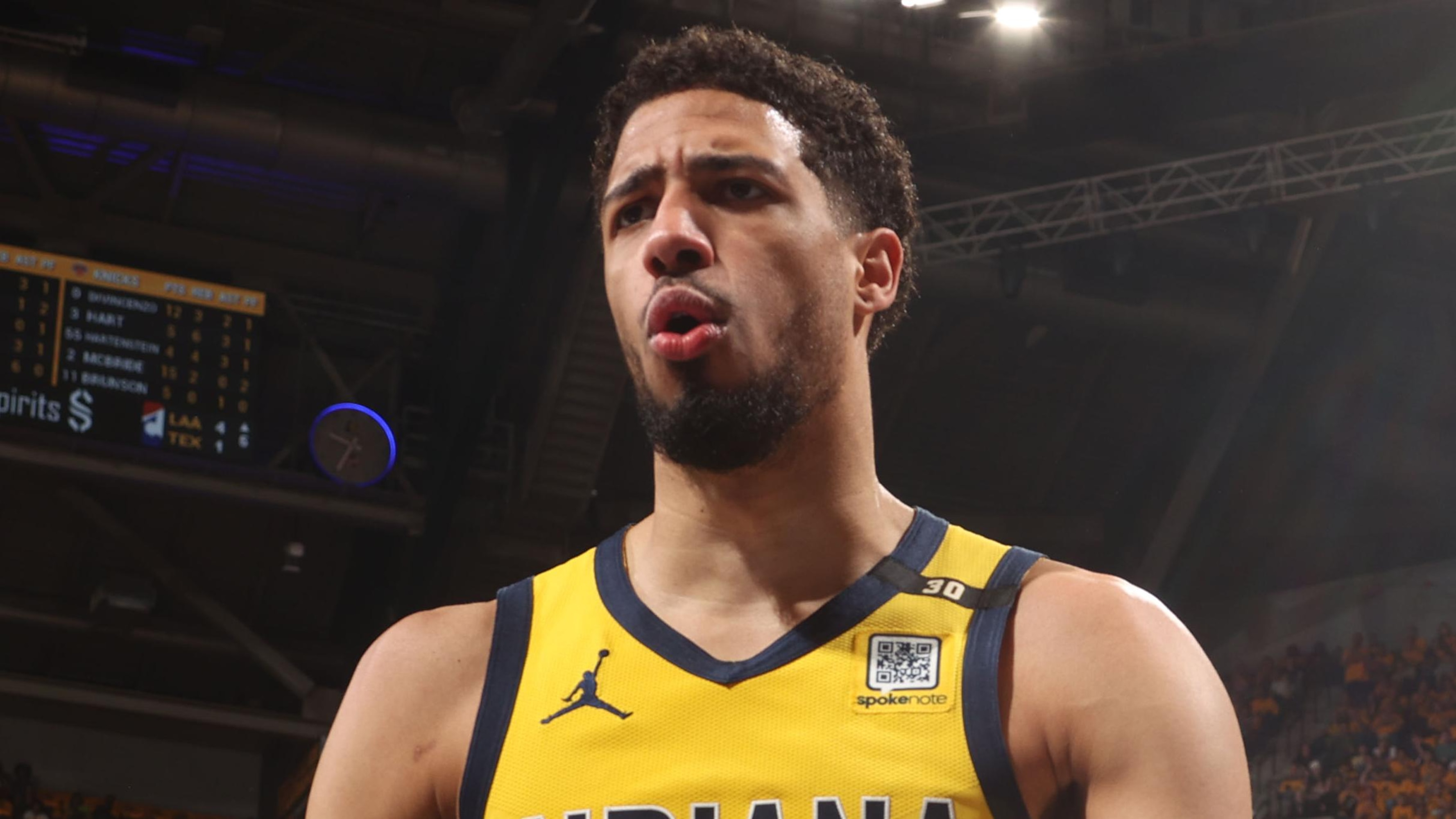
And the buzz? It's attracting everyone from passionate couch coaches to NBA superstars like Tyrese Haliburton, former pros like Brandon Jennings, and seasoned analysts like Dan Le Batard and Nick Wright. Why? Because it taps into the ultimate basketball 'what if' – and exposes just how hard it is to create true perfection.
How Does the "82-0" NBA Roster Builder Game Work? Understanding the Rules
The game's genius lies in its nuanced challenge. You're not just plucking prime LeBron James and peak Shaquille O'Neal from a wish list. Instead, players navigate five distinct rounds, each presenting an NBA team paired with a specific decade. This crucial limitation means choices aren't just about individual greatness, but about strategic availability.
Imagine: the 2010s New York Knicks appear. Your strategic brain immediately snaps to Carmelo Anthony as the obvious forward pick. But what if you desperately need a point guard from that era for another team, and your other options are slim? This setup forces players to consider not just individual player dominance, but team fit, era strength, and positional synergy within these constrained choices. It's a true test of adaptability and foresight, far more complex than a simple "best five" draft.
The Ultimate NBA Dilemma: Balancing Legends Across Eras in 82-0
Here's where the '82-0' truly flexes its strategic muscle: historical context is king, but imperfectly recorded. Building a roster from bygone eras introduces a fascinating layer of difficulty that even modern players struggle with.
Take the legendary Bill Russell. Unquestionably one of the greatest winners, defenders, and leaders ever to grace an NBA court. Yet, the league didn't officially track blocks until the 1973-74 season – a full five years after Russell retired. While the game's algorithm acknowledges Russell's monumental impact, his full defensive mastery might not be quantified in the same granular way as a modern defensive anchor like Giannis Antetokounmpo or Rudy Gobert.
This creates a tough choice: do you pick the undisputed legend whose full statistical impact is fuzzy within the simulation's parameters, or a more recent star whose data points are crystal clear, potentially giving them a numerical edge? It's a fascinating dilemma that challenges our perceptions of historical greatness versus quantifiable modern performance.
Why "82-0" Matters: Sparking Debate and Testing NBA Knowledge
Ultimately, the '82-0' game is more than just a time-killer; it’s a brilliant social experiment. It’s a test of NBA knowledge, strategic thinking, and historical appreciation that has captivated a global audience. It forces us to confront the complexities of team building across disparate eras, weighing peak performance against statistical completeness, and understanding how a group of individual superstars truly coalesce into an undefeated unit.
It reminds us that achieving perfection – even in a simulation – is an incredibly rare feat, requiring not just talent, but impeccable synergy and a touch of virtual luck. So, can you go 82-0? The internet, and the pros, are waiting to see your perfect roster.
/https://i.s3.glbimg.com/v1/AUTH_bc8228b6673f488aa253bbcb03c80ec5/internal_photos/bs/2026/i/t/dp2rK3Q3K02L4HD7EXhQ/bahia-tecnico-hd.png)