The world of German football is a maelstrom of high-stakes negotiations, political maneuvering, and a desperate search for redemption. With the national team still reeling from a dismal World Cup exit, all eyes are on the German Football Association (DFB) as it grapples with appointing a new coach and its stance on global football governance. The central figures? Jürgen Klopp and FIFA President Gianni Infantino.
Jürgen Klopp: Germany's Next Bundestrainer or Red Bull Ambassador?
The biggest buzz, and arguably the most crucial decision facing German football, revolves around Jürgen Klopp potentially becoming the new Bundestrainer. Sources close to the DFB and Klopp himself indicate that a deal is "on the home straight." After intense discussions in New York with DFB President Bernd Neuendorf and Vice President Hans-Joachim Watzke, "essential key points" are reportedly agreed upon. This signals a seismic shift, potentially bringing one of football's most charismatic and successful coaches back to the German fold.
The Million-Dollar Question: Klopp's Contract & Corporate Ties
However, the path to Klopp donning the national team tracksuit isn't entirely clear. Klopp is currently under contract with Red Bull until 2029 as "Head of Global Soccer." The DFB's negotiations with Red Bull have reportedly yielded a breakthrough, but a critical detail remains contentious: Klopp's potential role as a Red Bull brand ambassador.
Initial reports suggested the DFB might agree to this unprecedented dual role to avoid a multi-million-euro buyout fee. This has ignited a fierce debate. Former DFB President Theo Zwanziger minced no words, calling a Bundestrainer in a "Brause-Cap" (energy drink cap) a "complete no-go" and warning against the "dosen-imperium's" growing influence in sports. Several regional DFB associations echo these concerns, fearing conflicts of interest and questioning Klopp's ultimate independence. "He cannot wear two hats," Zwanziger asserted, and the sentiment is gaining traction.
Sportschau expert Bastian Schweinsteiger also criticized the DFB's "hectic" and seemingly singular focus on Klopp, questioning if the association has viable alternatives and urging a more "sovereign" approach. The DFB, clearly eager to secure Klopp's services to restore the national team's tarnished image, now faces the delicate balance of compromise versus maintaining the integrity of the Bundestrainer role. A final conversation between Klopp and Red Bull boss Oliver Mintzlaff is pending, expected this week in the USA, to iron out these thorny issues.
DFB Draws a Line: No Blank Cheque for FIFA President Infantino
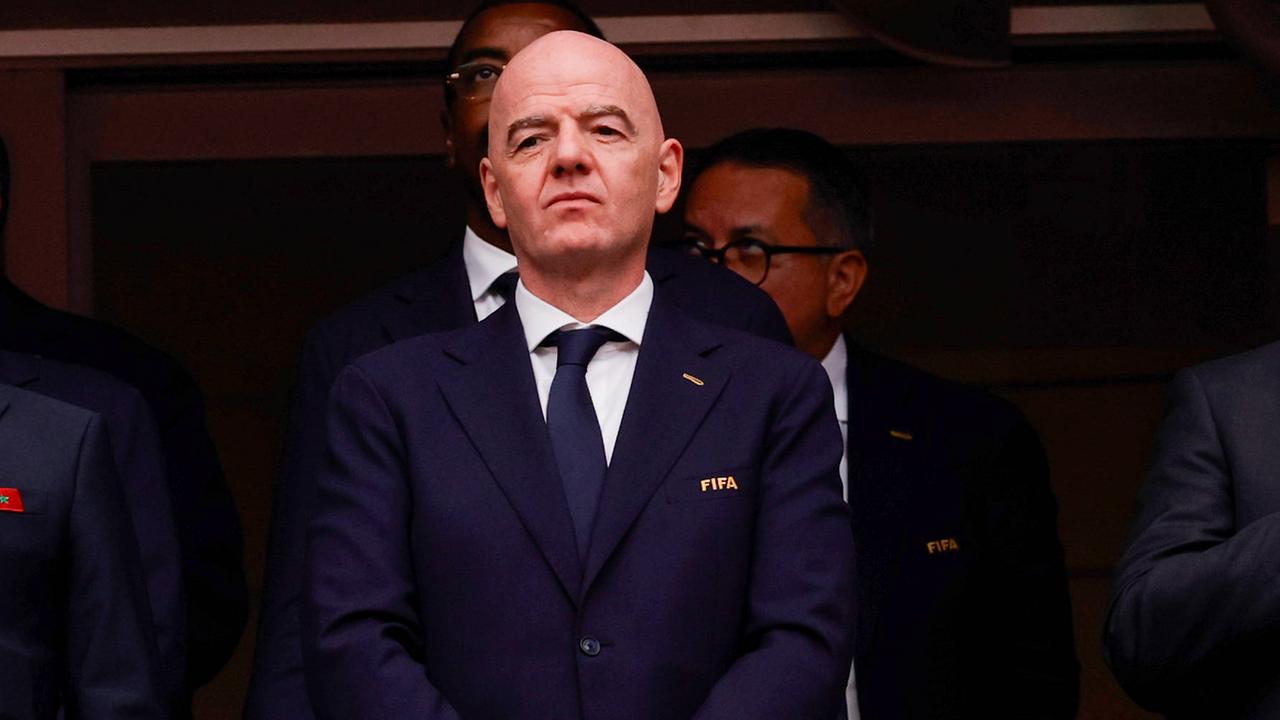
While the Klopp saga unfolds, the DFB is also making waves on the international stage by refusing to publicly endorse Gianni Infantino's re-election bid for FIFA President in March 2027. Infantino announced his intention to seek re-election at the FIFA Congress in Vancouver, and has since been actively lobbying for support.
The DFB confirmed it would not issue a letter of public support for Infantino ahead of the vote. While this doesn't explicitly state how the DFB will vote, it's a significant indicator of growing unease within European football. DFB President Bernd Neuendorf previously deferred immediate commitments, stating that evaluating a candidacy requires internal deliberation within DFB and DFL (German Football League) bodies after the application deadline. This cautious approach contrasts sharply with the explicit endorsements Infantino has already received from African, Asian, and South American confederations, which practically guarantee him the necessary majority for re-election.
Global Power Play: Infantino's Re-election Path Paved, Mostly
The DFB's stance, alongside reported growing resistance within the European football association (UEFA), suggests a search for an alternative candidate. However, with strong, early backing from other continental bodies, Infantino's re-election appears largely secure. The DFB's decision, though not binding, sends a message that not all football federations are willing to offer unconditional support, highlighting underlying tensions in the global football landscape.
German Football's Reality Check: Slipping Ranks & Shifting Perceptions
The early World Cup exit, where Germany crashed out in the Round of 16, has had tangible consequences beyond just pride. The DFB-Team has slipped to 12th in the FIFA World Rankings, overtaken by nations like Mexico and Colombia, who performed strongly. While points aren't directly deducted for losses, stronger performances by competitors inevitably push a stagnant Germany down the ladder. This ranking is more than just bragging rights; it's crucial for seeding in future international competitions. For a nation that topped the rankings as recently as 2018, this decline underscores the urgent need for a strategic overhaul.
Adding to the mixed bag, Germany's U19 team put up a valiant fight in the European Championship final but ultimately lost 0-2 to favorites Spain. While a promising performance, it highlighted that even the youth system, though strong, isn't delivering top titles.
From World Stage to 'Megapark': Players Unwind After Early Exit
In a lighter, albeit eye-raising, post-World Cup development, national team midfielder Angelo Stiller of VfB Stuttgart was spotted at Mallorca's notorious "Megapark" nightclub. A video showed Stiller celebrating on stage with DJ Almklausi, eliciting cheers from the crowd. While the Megapark embraced the moment, it painted a stark picture of how players unwind after a crushing defeat, perhaps too soon for some critics given the national team's current struggles. "Even a professional footballer needs to switch off and enjoy his life," the club stated, and Stiller responded with a biceps emoji – a moment that briefly made him a cult figure on the "Ballermann."
Beyond the DFB: Khedira Joins Mourinho's Real Madrid Staff
On a separate, yet significant, note for German football figures, 2014 World Cup winner Sami Khedira is returning to professional football. He's joined José Mourinho's coaching staff at Real Madrid, five years after ending his playing career. Khedira, 39, will reunite with Mourinho, who brought him to Madrid in 2010. This move sees Khedira leave his role as a TV pundit, stepping back into the dugout at one of the world's most illustrious clubs.
The DFB, its players, and its future leadership are all under intense scrutiny. The coming weeks will likely determine whether Jürgen Klopp can truly usher in a new era for German football, and how the DFB navigates its complex relationships on the global stage. One thing is clear: the buzz around German football isn't dying down anytime soon.

