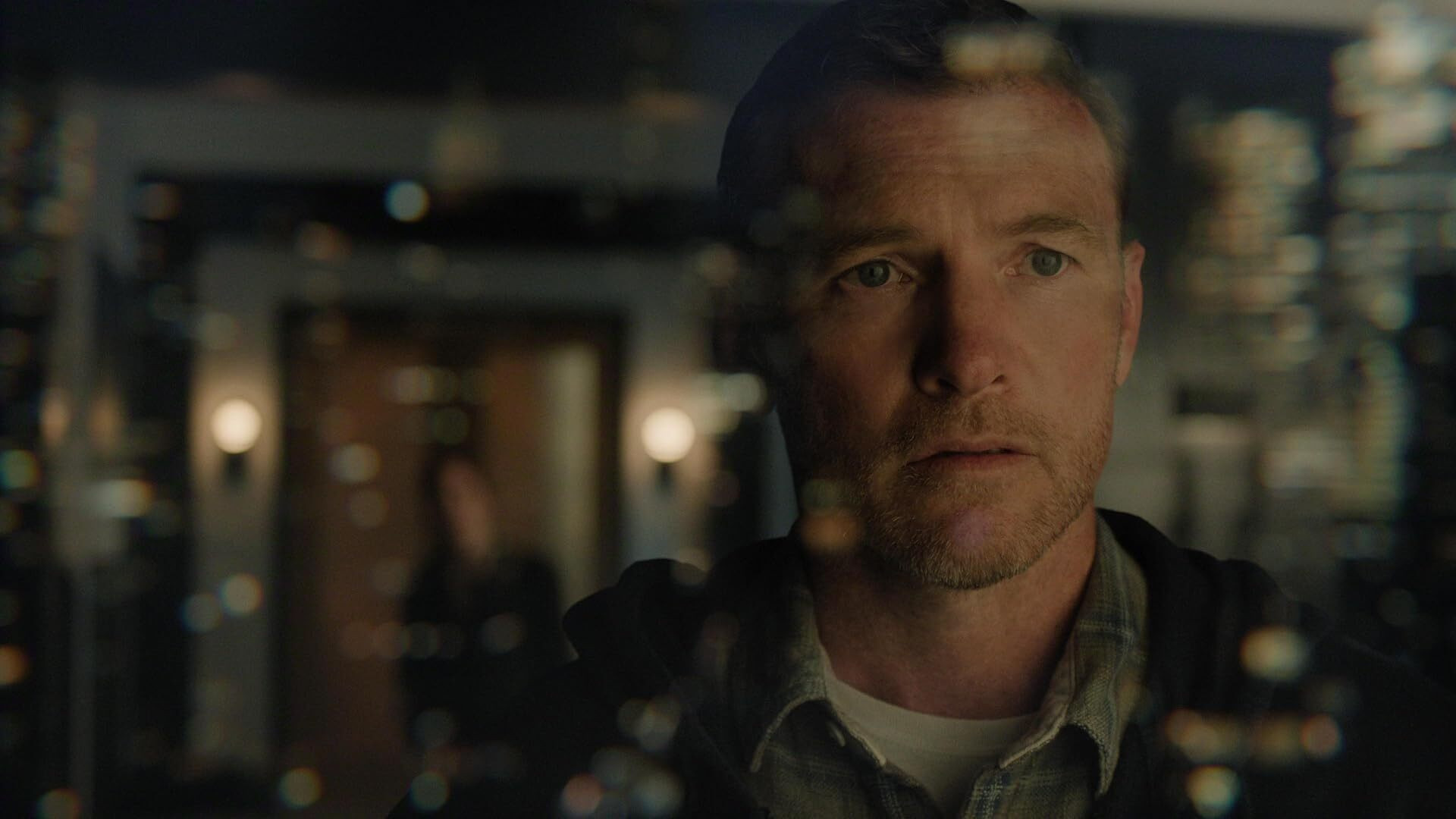
The quiet suburban woodland has a body. The man whose wife has just been found? A headteacher, Michael Polly, whose first reaction to the news isn't grief, but fury over mud on his pristine floors. This isn't your average whodunit – it’s a masterclass in psychological tension, and it's why ITV's new series, Gone, is already the talk of the town.
From George Kay, the brilliant mind behind 2023’s standout series The Long Shadow, comes a six-part crime thriller that promises to unravel not just a murder, but the intricate, suffocating darkness within seemingly respectable lives. Inspired by the 2024 true-crime book To Hunt a Killer by detective Julie Mackay and journalist Robert Murphy, Gone delivers a chilling blend of narrative authenticity and sharp character study.
Unpacking Michael Polly's Chilling Demeanor in 'Gone'
David Morrissey delivers a captivating performance as Michael Polly, the stern, starchy headteacher of a private school near Bristol. When Detective Annie Cassidy (Eve Myles) brings him the devastating news of his wife Sarah's discovery in nearby woods, his response is immediately, unsettlingly off. As Cassidy aptly puts it, Polly is "a funny fish."
His fastidious concern for cleanliness over tragedy, his rigid control over his family (including daughter Alana and wife Sarah, both teachers at his school), and his constant refrain of "I'll see you in assembly" – which morphs from a promise into a chilling threat – paint a portrait of a man consumed by order. But is this just extreme uptightness, or something far more sinister bubbling beneath the surface? The early episodes certainly make him a prime suspect, but Gone's brilliance lies in constantly making you question that initial gut feeling.
George Kay's Signature Touch: Beyond the Obvious in Crime Dramas
Fans of The Long Shadow will immediately recognize Kay’s signature approach. Where many dramas about the Yorkshire Ripper focused on the crimes, Kay pulled back, exploring the profound internal struggles of those affected, particularly women enduring systemic misogyny.
Gone continues this thematic exploration, delving deep into masculinity and institutions. It's a story about powerful men, struggling women, and individuals defined (and often stifled) by their environments and identities. The drama in Gone isn't found in crass shock value, but in the nuanced, intricate unraveling of human psychology, proving that the most compelling stories are often in the quiet, unsettling details.
Detective Cassidy's Side-Lined Investigation & Personal Ghosts
While the Polly family drama takes center stage, Detective Annie Cassidy’s journey provides another compelling layer to Gone. After delivering the initial grim news, Cassidy finds herself unexpectedly sidelined from the murder investigation, demoted to family liaison. The unspoken implication? Perhaps this isn't "woman's work."
This perceived downgrade clearly stings, but it also thrusts her into the toxic orbit of the Pollys. Beyond the current case, Cassidy grapples with her own baggage: a troubled romantic life and the lingering shadows of an unsolved case from eight years prior. Her personal struggles and professional frustrations add significant depth to the unfolding mystery, creating a character we can both empathize with and root for as she navigates the Pollys' web of secrets.
The Polly Household: A Breeding Ground for Secrets and Suspicion
The private school, run in Michael Polly’s rigid image, is a microcosm of his personality – starchy, proper, and seemingly seething with unresolved darkness. His family is trapped within this perfectly constructed, yet horribly suffocating, world. Their large, creaky old house practically groans with unsaid things.
The Pollys demonstrate an "omerta worthy of the Cosa Nostra," guarding enough "pregnant, guilty secrets" to keep a detective busy for a lifetime. The series expertly uses this claustrophobic family dynamic to build tension, hinting at deep-seated resentments and hidden truths that could easily explain the tragedy.
Why the Slow Burn of 'Gone' Keeps Viewers Hooked
Gone is a true slow burn, a six-part series about a single murder that refuses to rush its revelations. This pacing isn't a flaw; it's the drama's greatest strength. It allows for acute character studies, ensuring few moments are wasted, and every detail contributes to the overarching sense of unease.
The real cleverness lies in its deliberate ambiguity. Just as you’re convinced Michael Polly is guilty, the show subtly plants seeds of doubt. An emotional breakdown in a shed, for example – are these tears of trauma, stress, or guilt? The show doesn't tell you. It forces viewers to constantly question their own judgments, making them active participants in the psychological unraveling. This commitment to nuance ensures that the question of Michael Polly’s innocence or guilt remains tantalizingly open, making Gone a must-watch for anyone who loves a mystery that's anything but straightforward.