A sudden and serious spike in salmonella food poisoning has put health officials in the UK on high alert.
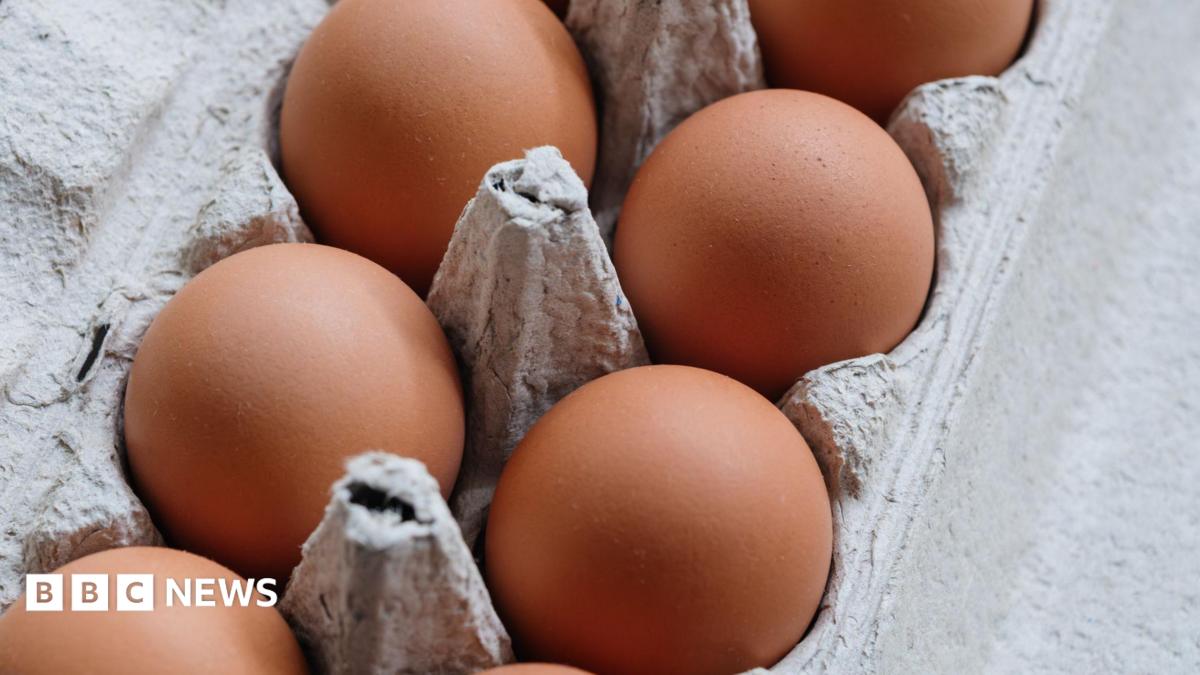
The UK Health Security Agency (UKHSA) has launched a major investigation after one person tragically died and hundreds of others fell ill. The culprit? Investigators believe the outbreak is directly linked to food prepared with imported eggs.
Here is an analytical breakdown of what is happening, who is most at risk, and how you can protect your family.
The Scale of the Outbreak
While salmonella cases occur year-round, this specific outbreak has raised alarms because of its rapid spread and severity.
- 207 Confirmed Cases: The UKHSA has tracked over 200 cases within the last year, with a significant surge recorded in just the past few weeks.
- High Hospitalization Rate: More than a third of those infected have required hospital care. This includes vulnerable patients ranging from infants to elderly individuals up to 90 years old.
- Severe Complications: Two patients developed life-threatening blood poisoning (sepsis) as a result of the infection.
What makes this situation particularly unusual is the genetics of the bacteria. Rather than random, isolated incidents of food poisoning, testing shows that this outbreak involves a specific, identical strain of salmonella, pointing to a single shared source.
Where is the Outbreak Concentrated?
The vast majority of the cases have been identified in England, which accounts for 199 of the 207 reported illnesses.
Geographic hot spots include:
- London: 47 cases
- Yorkshire and the Humber: 38 cases
Hannah Charles, lead epidemiologist for gastrointestinal infections at the UKHSA, confirmed the direction of the inquiry: "We're working with the Food Standards Agency and other public health agencies to investigate a salmonella outbreak that may be linked to eggs imported from outside of the UK."
The Source: Imported vs. British Eggs
According to the UKHSA, extensive food chain tracing has revealed that several of the commercial food businesses linked to the infections use imported eggs.
Crucially, there is currently no identified link to UK-produced eggs or poultry. British-laid eggs, which are heavily regulated under food safety schemes like the British Lion Quality mark, remain safe to consume under normal guidelines.
While the general risk to the public is still classed as "low," health authorities are prepared to implement stricter preventative measures if the source of the imported eggs is narrowed down further.
Symptoms to Watch Out For
Salmonella infection attacks the stomach and intestines. Symptoms typically manifest between 12 and 72 hours after consuming contaminated food.
If you or a family member experience the following, monitor them closely:
- Severe stomach cramps
- Diarrhea
- Vomiting
- High fever
While most healthy adults recover within a few days without medical treatment, the young, the elderly, and those with weakened immune systems are at a much higher risk of dehydration and severe complications. The UKHSA advises anyone with worsening symptoms to contact their GP or local health services immediately.
How to Protect Yourself
Salmonella is highly resilient, but simple kitchen hygiene and proper cooking habits can completely eliminate the risk of infection.
- Cook Thoroughly: Ensure that poultry, meats, and especially eggs are cooked until piping hot. Avoid consuming raw or lightly cooked eggs if you suspect they are imported.
- Prevent Cross-Contamination: Wash your hands, utensils, and chopping boards thoroughly with warm soapy water after handling raw eggs or meat.
- Practice Good Hygiene: Always wash your hands after using the bathroom and before preparing or eating any food.
The UKHSA and Food Standards Agency are continuing their joint investigation to trace the exact suppliers of the contaminated imports. Stay tuned to WhyThisBuzz as we continue to track this developing public health story.


