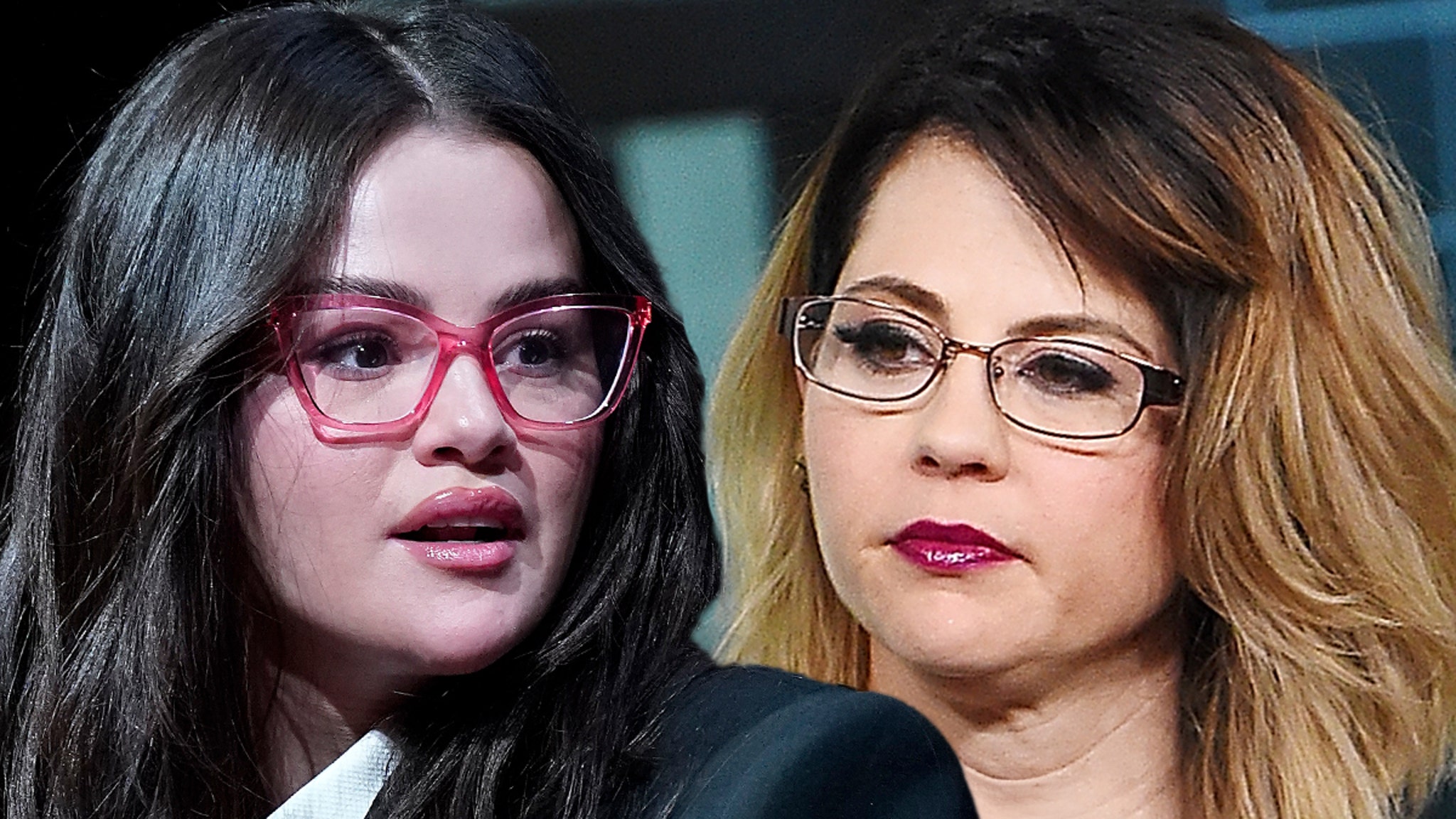
On paper, Wondermind was supposed to be a revolution. Co-founded by pop superstar Selena Gomez, her mother Mandy Teefey, and entrepreneur Daniella Pierson, the mental health startup promised to democratize mental fitness.
But behind the slick branding and high-profile media campaigns lay a very different reality.
A explosive new lawsuit obtained by TMZ reveals that Wondermind is now facing a massive legal battle, with investors accusing Gomez and her co-founders of securities fraud, deception, and gross mismanagement.
Here is the breakdown of what is happening inside Wondermind, and why this lawsuit exposes the dangerous risks of the modern "celebrity co-founder" trend.
The $1 Million Illusion
The lawsuit, filed by investment entities Wondermind SRS 44 LLC and Bespoke Wondermind LLC, alleges that the founders raised over $1 million under false pretenses.
According to the plaintiffs, Gomez and her mother painted a picture of a robust, highly structured company primed for major profitability. Investors claim they poured money into the venture based largely on Selena's heavy promotional tour, where she frequently appeared on television and in print to advocate for the brand.
However, once the ink dried on the checks, investors allege a classic bait-and-switch occurred:
- The Ghost Founder: Despite presenting herself as heavily involved, investors claim Gomez did "virtually nothing" to support the business post-investment.
- The Secret Collapse: For three years, while the company allegedly crumbled from within, the lawsuit claims the founders kept investors completely in the dark.
- Financial Distress: The company reportedly struggled with basic operations, including a failure to pay vendors and employees on time.
"For three years, while the company quietly collapsed around them, not one of its founders, officers or directors said a word to the investors whose money was funding the collapse."
— Excerpt from the lawsuit
The Catalyst: A Shocking Exposé
According to the lawsuit, investors didn't realize their money was in jeopardy until a September 2025 article by The Cut exposed Wondermind’s internal chaos.
The article described the startup as being in a state of "utter disarray." It highlighted Mandy Teefey’s alleged struggles with a substance abuse disorder and her mismanagement of the company. Furthermore, it detailed Selena's alleged attempts to distance herself from the company due to escalating personal conflicts with her mother.
When confronted with these claims, Teefey reportedly denied the substance abuse allegations and blamed disgruntled employees for spreading lies. She subsequently tried to shift the blame to co-founder Daniella Pierson, who had already exited the company.
Why This Matters: The Danger of "Clout Capital"
This lawsuit is more than just celebrity gossip—it’s a cautionary tale for the modern venture capital landscape.
Over the last decade, startups have increasingly relied on "clout capital"—using a celebrity’s massive social media reach and cultural relevance as a substitute for traditional business fundamentals. Investors buy into the audience that the celebrity commands, assuming the operational logistics will sort themselves out.
But as the Wondermind lawsuit demonstrates, a celebrity’s face cannot fix structural disorganization:
- Due Diligence Deficit: Investors often fast-track funding for celebrity startups, skipping the rigorous operational audits they would normally perform on traditional tech companies.
- The "Passive" Co-Founder Risk: Celebrities are busy. When a star like Selena Gomez is juggling music, acting, and other brands (like her highly successful Rare Beauty), their actual time commitment to a niche startup is often minimal.
- Reputational Contagion: When a celebrity brand succeeds, everyone wins. But when personal relationships or private struggles bleed into the business, the entire company’s valuation can vanish overnight.
The plaintiffs are now suing for securities fraud and seeking the return of their full investments plus damages. If the court sides with the investors, it could set a major legal precedent—holding celebrity founders personally accountable for the operational realities of the companies that bear their names.