What Happened
The Ruston, Louisiana community is rallying around an 8-year-old girl currently hospitalized with a rare and severe infection. Lillian Smart has been receiving intensive medical care after contracting Naegleria fowleri, a microscopic amoeba found naturally in warm freshwater environments that can cause catastrophic brain infections.
According to updates shared by her family, Lillian has experienced significant brain swelling since being admitted to the hospital. Health officials confirmed that her diagnosis matches the recent case reported earlier in the week by the Louisiana Department of Health, prompting localized medical alerts and widespread public concern.
Background & Context
Naegleria fowleri thrives in warm, fresh water—such as lakes, rivers, and hot springs—particularly during the summer months when water temperatures rise and water levels drop. The organism typically enters the body through the nose, most commonly during swimming, diving, or water sports. Once inside the nasal passages, the amoeba migrates along the olfactory nerve to the brain.
This results in primary amebic meningoencephalitis (PAM), a condition that destroys brain tissue and triggers severe inflammation. According to the U.S. Centers for Disease Control and Prevention (CDC), infections are exceedingly rare, with only a handful of cases typically reported nationwide each year. However, the disease is notoriously aggressive, carrying a historically high fatality rate exceeding 97 percent, which makes rapid diagnosis and specialized treatment critical.
Why It Matters
Beyond the personal tragedy facing the Smart family, cases of Naegleria fowleri highlight ongoing public health challenges regarding climate trends and recreational water safety. As global summer temperatures rise, the thermal habitat for thermophilic (heat-loving) organisms expands northward and persists longer into the year.
For local municipalities and public health stakeholders, these rare infections spark urgent discussions around public awareness. While health agencies routinely issue seasonal advisories urging swimmers to use nose clips, avoid submerging their heads in stagnant warm water, or steer clear of shallow freshwater bodies during heat waves, public compliance remains difficult to track. Each confirmed diagnosis serves as a grim reminder of the microscopic risks hidden within everyday summer recreation.
Community Response
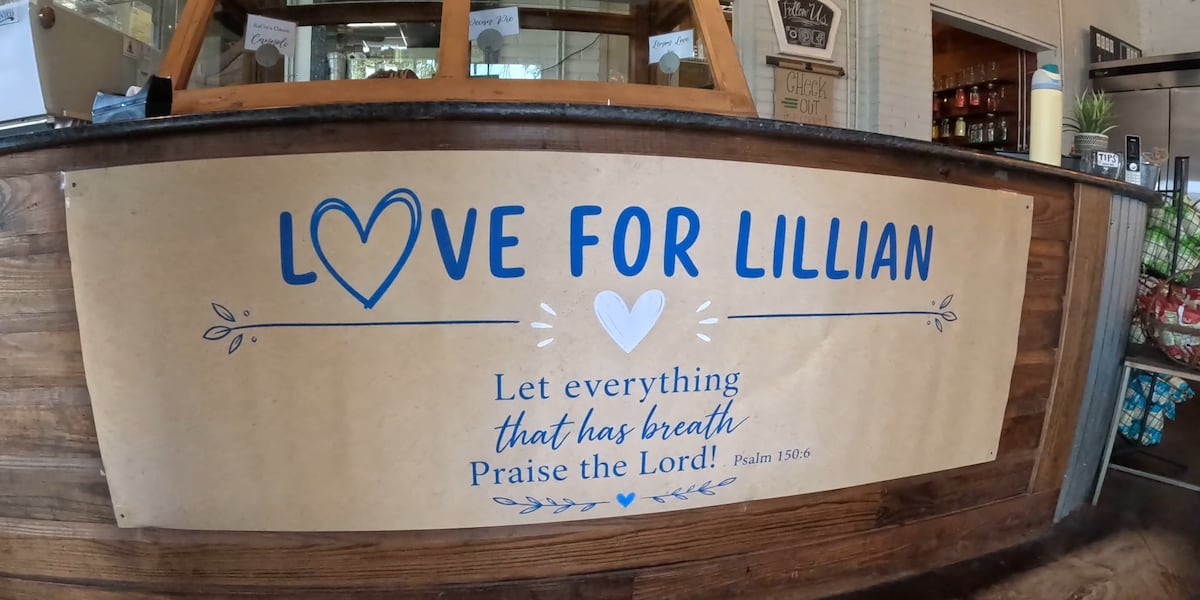
In the wake of the diagnosis, the Ruston community has stepped forward to offer financial and emotional support to the Smart family. Local businesses, shops, and restaurants organized a "Love for Lillian" fundraiser, intentionally coinciding with her eighth birthday. Participating establishments pledged a portion of their daily proceeds to assist the family with mounting medical and travel expenses.
Local residents have also donned "Love for Lillian" shirts around downtown Ruston to show solidarity. Family members established the "Love for Lillian" Facebook page to share official medical updates, receive community prayers, and collect messages of encouragement.
Future Outlook
As Lillian continues her fight in the hospital, medical specialists remain focused on managing her intracranial pressure and administering experimental or supportive therapeutic protocols. Public health officials, meanwhile, continue to monitor regional water sources and evaluate whether climate-driven shifts in water temperatures necessitate updated educational outreach for families and school districts ahead of future summer seasons.


