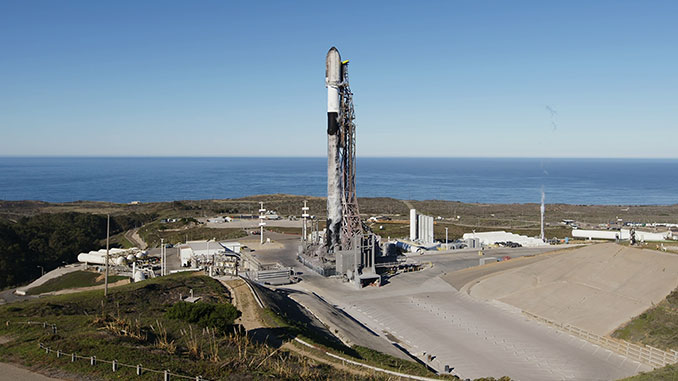
SpaceX has done it again, pushing the boundaries of commercial spaceflight with yet another flawless nighttime launch. Blasting off from the Vandenberg Space Force Base in California, a trusty Falcon 9 rocket roared into the night sky, carrying a fresh cargo of next-generation broadband internet satellites.
For space enthusiasts and casual observers alike, the cadence of these missions has become almost routine—yet the engineering behind them remains nothing short of extraordinary.
Expanding the Megaconstellation
This latest mission, designated Starlink 17-50, successfully delivered another 24 broadband internet satellites into low Earth orbit. With this deployment, SpaceX's sprawling orbital network has officially ticked past a staggering milestone: a little more than 11,000 satellites currently in orbit.
While that number includes spacecraft in various stages of operation, active service, or preparing for eventual deorbiting, the scale of the constellation continues to reshape global connectivity. From remote maritime routes to rural communities previously left behind by traditional broadband providers, the impact of SpaceX's orbital strategy is undeniable.
The Workhorse Booster Strikes Again
Behind every successful Starlink launch is a masterclass in aerospace recycling. The Falcon 9 first-stage booster utilized for this flight—cataloged as B1097—was marking a monumental milestone of its own: its 12th successful flight.
Having previously carried everything from critical rideshare missions and Earth-observation satellites to multiple batches of Starlink payloads, B1097 proved its resilience once more. A little over eight minutes after liftoff, the booster executed a flawless descent, touching down softly on SpaceX’s ocean-going droneship, Of Course I Still Love You, stationed in the Pacific Ocean.
This recovery marked the 219th successful landing on that specific vessel and a jaw-dropping 651st overall landing for the Falcon booster family.
Looking Ahead: A Busy Manifest
As SpaceX continues to fine-tune its launch cadence, the company's operational horizon stretches far beyond internet constellations. With upcoming logistics for international operators like Egypt's Nilesat and critical cargo and research resupply runs scheduled for the International Space Station—carrying tons of cutting-edge scientific investigations and crew provisions—the aerospace giant shows no signs of slowing down.
Love it or debate it, the era of commercial space dominance is moving at full throttle, and SpaceX remains firmly in the driver's seat. Stay tuned to WhyThisBuzz for more updates as the next orbital frontier unfolds.