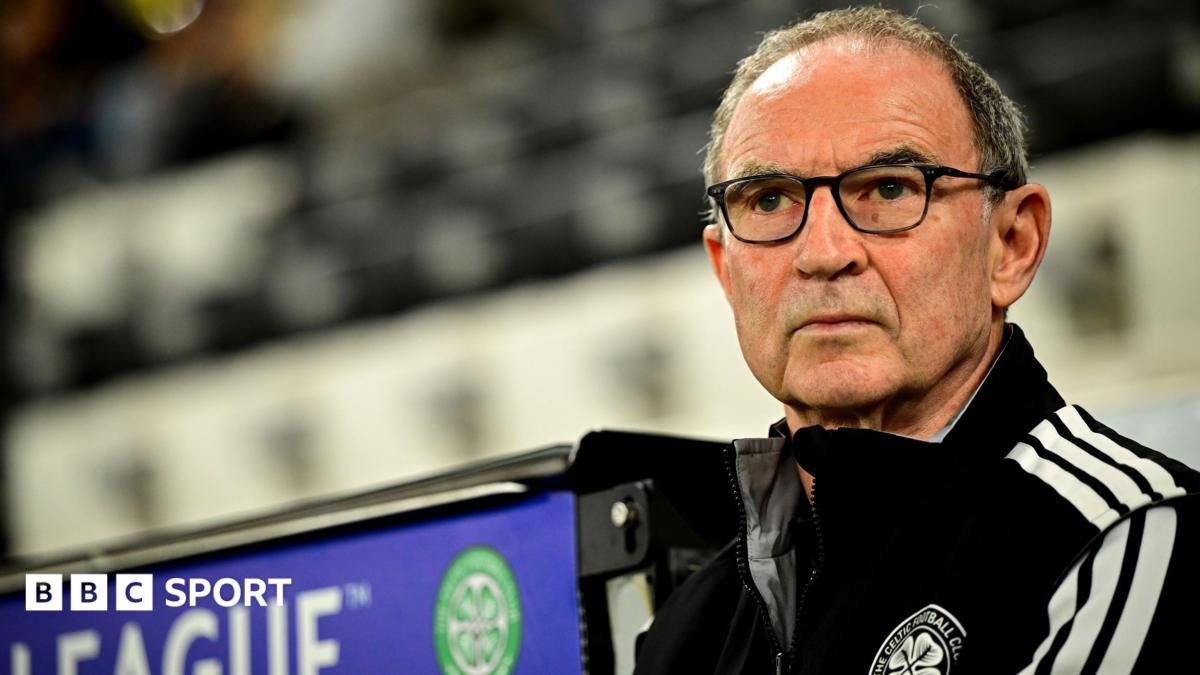
Celtic looked destined for the Champions League group stage, leading Austrian side LASK 4-0 on aggregate during the first half of their qualifying tie on Tuesday. Then, the unthinkable happened.
A catastrophic second-half collapse saw the Scottish champions concede five unanswered goals to lose 5-4 on aggregate. The defeat marks Celtic's sixth failure to qualify for Europe’s premier competition in the last eight years, sparking immediate criticism of the club's board and squad depth.
What Happened in Linz?
Celtic entered the second leg in Austria with a comfortable 3-0 cushion from Glasgow and quickly extended their lead. However, a relentless second-half bombardment by LASK exposed glaring defensive weaknesses.
The hosts leveled the aggregate score 4-4 in the 90th minute before netting an inevitable winner to seal the comeback. Captain Callum McGregor admitted the squad looked "scared" and "passive" under pressure. Crucial individual errors from Auston Trusty, Benjamin Nygren, and Luke McCowan directly contributed to the collapse, while the midfield struggled to maintain possession.
The Real Reason Behind the Capitulation
While manager Martin O'Neill took full responsibility for the defeat, former Celtic captain Scott Brown pointed to a deeper issue: a lack of high-quality squad depth.
Summer transfer business left the squad structurally vulnerable. Celtic sold key players Daizen Maeda and midfield powerhouse Arne Engels to Premier League clubs. While the board spent big on forwards Kasper Hogh and Camilo Duran, they failed to replace Engels’ physical presence in midfield.
By the end of the match, Celtic’s defense was severely depleted, featuring third-choice right-back Anthony Ralston, an ill Auston Trusty, untested academy product Dane Murray, and Liam Scales playing out of position.
The Massive Financial and Coefficient Fallout
This sporting disaster carries severe off-pitch consequences. Football finance expert Kieran Maguire estimates the failure will cost Celtic over £20 million in lost prize money, television rights, and matchday revenue. The club's share price fell 4-5% immediately following the match.
Furthermore, this loss deepens the decline of Scottish football on the continental stage. Scotland has plummeted from 9th to 19th in the UEFA coefficient rankings since 2023. This drop means future Scottish Premiership champions will no longer receive automatic Champions League group-stage entry, forcing them to navigate the same grueling summer qualifiers that just claimed Celtic.

