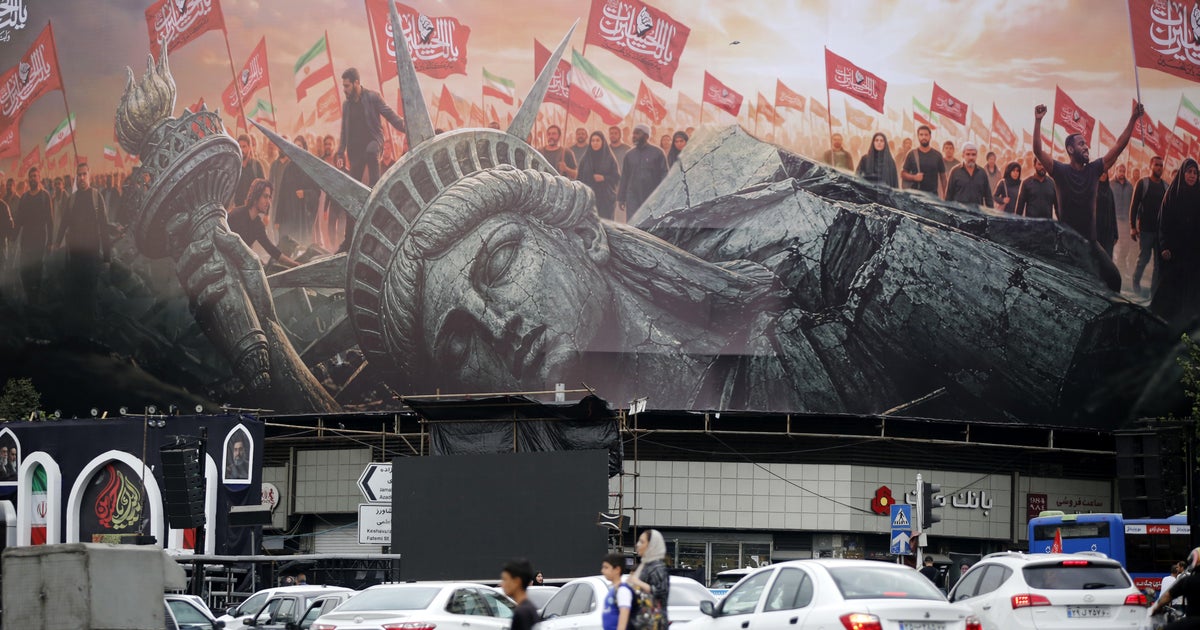
The conflict with Iran, now six months in, is less a war of decisive blows and more a grueling chess match played across multiple boards: diplomatic, military, and economic. At its heart lies the Strait of Hormuz, a vital choke point where high-stakes negotiations are unfolding, often shrouded in conflicting reports. But beyond the headlines, a deeper concern looms: the strain on U.S. military resources and the surprising resilience—and profiteering—of global markets.
The Strait of Hormuz: A Global Chokepoint in Crisis
For weeks, the world has watched as the Strait of Hormuz, the narrow waterway through which a fifth of the world's oil and natural gas normally flows, has become a hotbed of tension and negotiation. With U.S. forces enforcing a blockade, shipping has been severely disrupted, fueling anxieties about global energy supplies.
Trump's Diplomatic Dance vs. Tehran's Denials
President Trump has repeatedly claimed that a "deal is imminent" to fully reopen the Strait, suggesting that Iran is "begging" for talks and that massive military strikes were called off specifically to allow diplomacy a "last chance." His administration, including Secretary of State Marco Rubio and Treasury Secretary Scott Bessent, has hinted at a breakthrough as early as "today or tomorrow," focusing on denuclearization as the "ultimate deal."
However, Tehran tells a different story. Iranian President Masoud Pezeshkian and Foreign Ministry spokesperson Esmaeil Baqaei emphatically deny any direct talks with the U.S. Their narrative centers on ongoing negotiations only with Oman to establish a temporary, coordinated shipping route and agree on a "service fee" for transit. Iran insists the Strait's status "will in no way return to the status it was before February 28th." This stark contradiction highlights a deep disconnect, or perhaps deliberate misdirection, in the diplomatic efforts.
Adding to the instability, two commercial vessels have been hit by projectiles in recent days: a Liberian-flagged vessel in the Strait itself and an Indian ship near Yemeni waters. Such incidents underscore the inherent dangers of the contested waterway and its impact on international shipping.
US Missile Stockpiles Under Pressure: Can America Sustain the Fight?
While the diplomatic dance captures headlines, a more sobering reality is emerging from within the Pentagon: the U.S. military's global stockpile of long-range precision missiles is alarmingly depleted. Sources with direct knowledge reveal that virtually all Army Tactical Missile Systems (ATACMS) and Precision Strike Missiles (PSMs) have been expended during "Operation Epic Fury."
The High Cost of War: Munitions and Manpower
The concern isn't limited to offensive capabilities. Defensive interceptors like Patriot and Terminal High Altitude Area Defense (THAAD) missiles are also being used faster than the defense industry can replace them, raising serious questions about the sustainability of the current operational tempo. Chief Pentagon spokesperson Sean Parnell and Defense Secretary Pete Hegseth have publicly downplayed these concerns, asserting America's military strength. Yet, the persistent leaks suggest a mounting pressure point within the administration.
This revelation isn't just a military logistics issue; it's a strategic vulnerability. A stretched arsenal could limit future options or signal weakness to adversaries, impacting the balance of power far beyond the Middle East.
Regional Flashpoints: Lebanon, Yemen, and Maritime Attacks
The Iran conflict's tendrils extend across the Middle East, igniting or exacerbating existing tensions.
Hezbollah's Stance and Border Tensions
In Rome, U.S.-sponsored talks between Lebanon and Israel continue, aiming for a phased Israeli withdrawal from southern Lebanon and the disarmament of Iran-backed Hezbollah. Despite progress on "pilot zones" for Lebanese army deployment, Hezbollah leader Naim Qassem vehemently rejects direct negotiations, calling them "shame, humiliation, and successive compromises" for Lebanon. This defiance highlights the challenges of achieving lasting peace when key non-state actors remain outside the diplomatic fold.
Meanwhile, Yemen's Iran-backed Houthi rebels continue their aggressive actions, claiming a drone strike on a Saudi airport and threatening to close the Bab el-Mandeb Strait, another critical maritime chokepoint. An Indian vessel was also reportedly struck and sank near Yemeni waters, with all 14 crew members rescued. These incidents demonstrate how proxy conflicts amplify regional instability, further complicating efforts to de-escalate the broader Iran crisis.
War & Wall Street: How the Iran Conflict is Reshaping Global Markets
Surprisingly, amidst the geopolitical turmoil, Wall Street is surging. The S&P 500, Dow Jones, and Nasdaq Composite are all climbing, with the S&P 500 on track for an all-time high. This seemingly paradoxical rally isn't driven by peace, but by robust corporate profits and easing oil prices. Companies like Palantir Technologies saw "otherworldly" revenue jumps, and the broader market benefits from a boom in artificial intelligence technology.
Energy Giants Rake in Billions Amidst Crisis
The war's most immediate economic impact has been on energy. British giant BP, along with other Western energy majors like Chevron, ExxonMobil, Shell, and TotalEnergies, reported record-breaking profits, totaling nearly $47 billion in the last quarter. This unprecedented windfall is directly attributed to the Iran war, which has sent oil and gas prices soaring due to disrupted global supplies. President Trump has even publicly criticized these companies for "making too much money."
However, not everyone is profiting. Iraq, an OPEC founding member whose economy relies heavily on oil exports, has seen its monthly crude revenues plummet from $8 billion to barely $1.5 billion. The closure of the Strait of Hormuz has forced Iraq to halt production in most fields, resorting to costly tanker truck exports through Syria. This stark contrast underscores the uneven economic consequences of the conflict.
Despite these shocks, the U.S. labor market remains resilient, with job openings falling only slightly in June, defying expectations of a major downturn.
Tehran's Narrative: Internal Stability Amidst External Pressure
Internally, Iran's leadership is projecting a united front. President Pezeshkian has dismissed resignation rumors, asserting his administration's full alignment with the military and stressing the importance of internal societal strength to repel external threats. This messaging aims to convey stability and resolve, even as the country faces immense external pressure.
However, the regime also sends a chilling message to internal dissenters. The execution of two men accused of spying for Israel's Mossad intelligence service highlights the severe consequences for those perceived to be undermining national security.
The Unseen Toll: US Military Deployment and Mounting Costs
Six months into a war initially expected to last weeks, the human and financial costs for the U.S. are undeniable, yet increasingly obscured. Over 50,000 American troops remain deployed, with 18 confirmed fatalities and hundreds wounded. Congress is being asked to approve another $67 billion for the campaign.
Despite Defense Secretary Pete Hegseth's initial promise of "the most transparent administration ever," Pentagon press briefings have largely vanished since early May. This lack of public information raises questions about accountability and the true long-term strategy, leaving the American public in the dark about a conflict with ever-mounting costs and no clear end in sight.
As Trump oscillates between threats of "decapitation" and claims of imminent deals, and Iran maintains its firm posture, the region—and the world—remains on edge. The stakes are global, touching everything from the price at the pump to the stability of international shipping lanes, while the ultimate outcome of this complex, multi-front conflict remains profoundly uncertain.